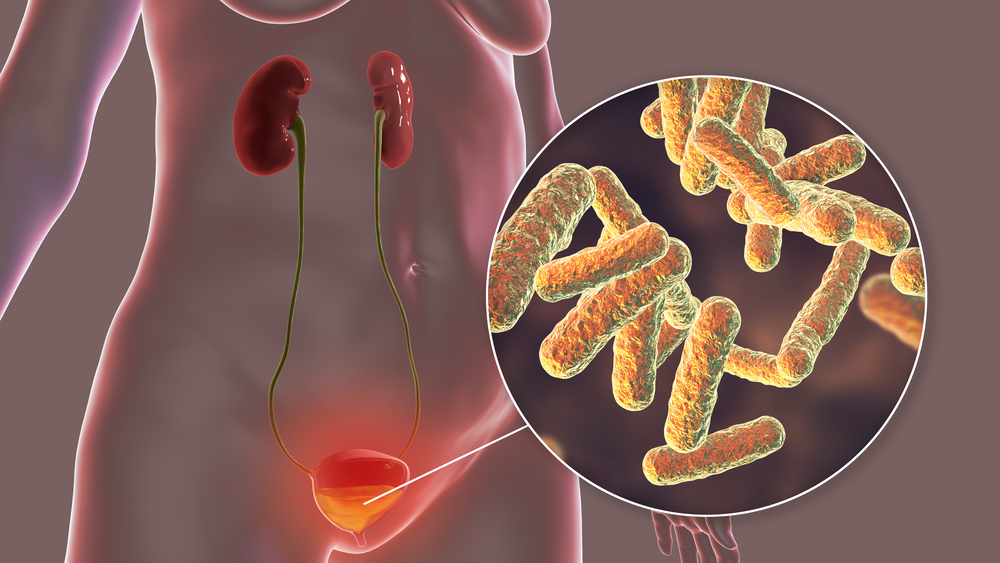
Use of certain contraceptives

Frequent use of certain contraceptives can potentially contribute to increased risks of UTIs. These contraceptives can affect the bacterial balance in the genital area or irritate the urethra, despite not being a direct cause. This can make UTIs more likely to occur. A barrier method of contraception called diaphragms can increase the risks of UTIs. They can potentially trap bacteria near the urethra and interfere with the natural flow of urine. This can allow them to multiply and cause an infection.
On the other hand, spermicides are chemical substances that can immobilize or kill sperm, which are often applied to condoms. Some individuals may have allergies or sensitivity to spermicides. This can irritate the genital area and can potentially increase the likelihood of UTIs. A 2011 study published by the National Library of Medicine concluded that with the barrier methods more predisposing, contraceptive use is a significant risk factor for someone to have a urinary tract infection. To prevent long-term complications, health education for the safe and hygienic use of family planning methods is essential.
Dehydration

The urine becomes more concentrated when the body is dehydrated since it produces less urine. Therefore, dehydration can contribute to an increased risk of UTIs. The concentrated urine can provide an environment that can increase the likelihood of UTIs and is favorable for bacterial growth. Reduced urine production and decreased frequency of urination may be the result of insufficient fluid intake.
Since the urine becomes more concentrated when the body is dehydrated, it contains a higher concentration of salts and waste products. This concentrated urine can potentially contribute to UTIs since it can irritate the lining of the urinary tract. Peeing less and drinking less water lead to concentrated urine staying in your bladder for longer periods, according to Aeroflow Urology. Moreover, drinking less water can lead to urinary incontinence, which is the involuntary loss of urine.
Urinary retention
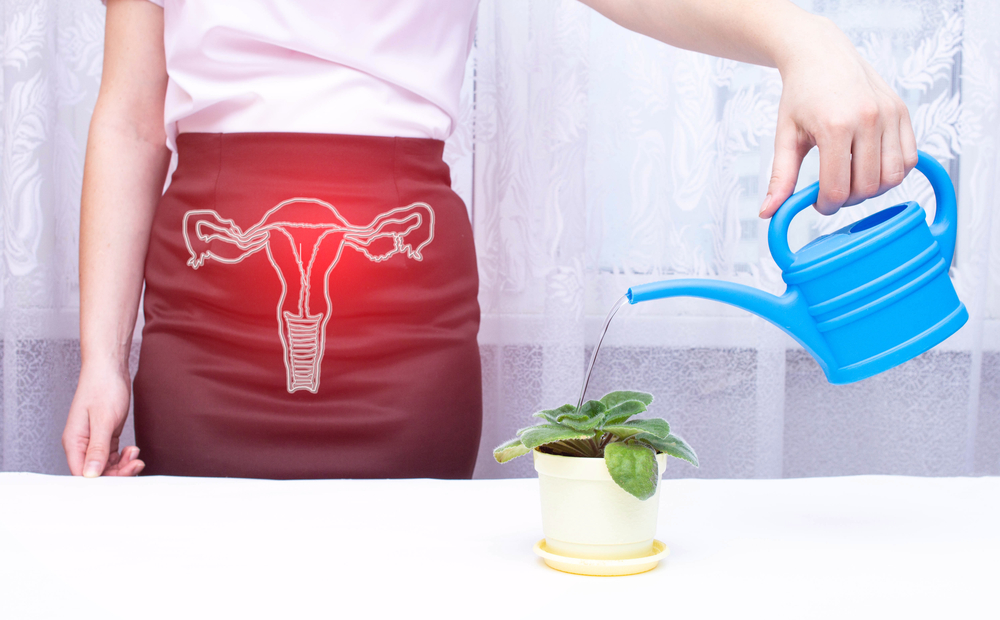
Urinary retention is the incomplete emptying of the bladder, which can be a contributing factor to UTIs. The urine creates an environment where bacteria can multiply to cause an infection when it remains in the bladder for an extended period. The flow of urine can be obstructed by conditions such as urethral strictures, bladder stones, tumors, and enlarged prostate in men. These obstructions can increase the risk of UTIs and can hinder the complete emptying of the bladder.
Chronic urinary retention can compromise the immune response and impact the normal functioning of the urinary tract. The body’s defenses become more susceptible to bacterial infections such as UTIs since it can hinder the complete emptying of the bladder. Additionally, individuals with urinary retention may require the use of urinary catheters to help empty the bladder. But it’s important to note that long-term catheterization can increase the risk of UTIs and introduce bacteria to the urinary tract.
Poor personal hygiene
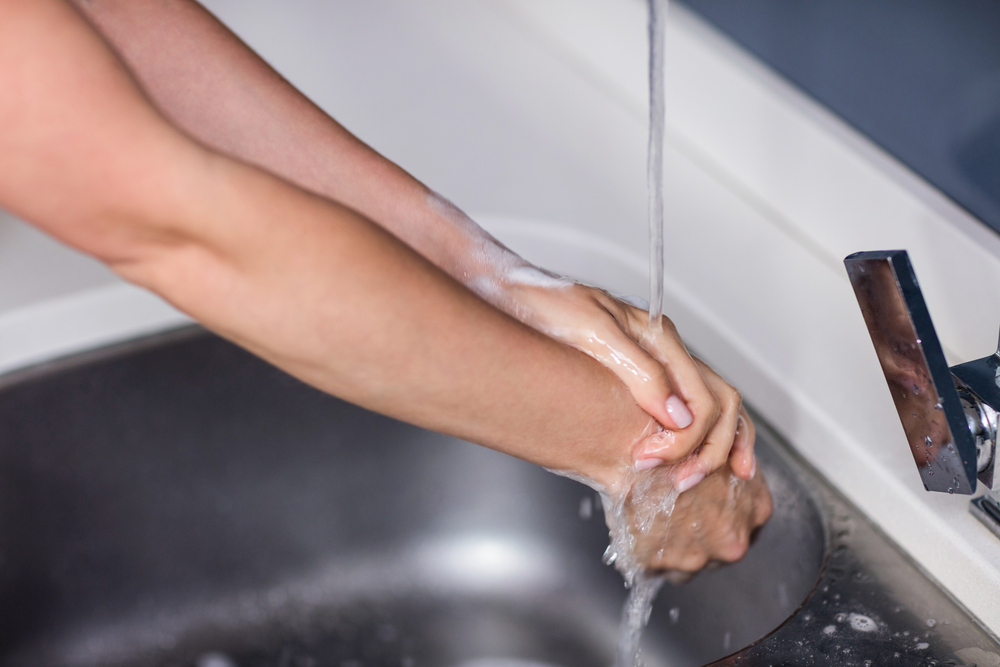
Insufficient hygiene practices can introduce bacteria into the genital and urethra areas, which can cause an infection and ascend to the urinary tract. Keep in mind that when wiping after using the bathroom, it’s important to wipe from front to back (urethra to anus) for women to prevent the spread of bacteria from the anal area to the urethra.
Falling to wash hands properly before and after using the bathroom can transfer bacteria to the urethral area from the hands, leading to UTIs. It’s crucial to apply proper handwashing with soap and water to reduce the risk of bacterial contamination. According to Urology Specialists, although good hygiene is essential, remaining clean isn’t guaranteed to avoid a urinary tract infection. Because even the cleanest person can contract a UTI, so it’s still important to know other causes and symptoms of it.
Hormonal changes

These changes are particular in women during life stages such as puberty, which can lead to an increased susceptibility to UTIs. The urinary tract lining can be affected by these hormonal fluctuations, which makes it more prone to bacterial colonization and infection. According to Women’s Healthcare of Princeton, UTIs can occur more frequently as estrogen production falls in menopausal women, but there are several reasons for this.
Your vaginal tissue thins as you age, which makes it more prone to infection. Your difficulty in fully emptying your bladder can increase the chance of an infection in your bladder. On the other hand, hormonal changes during pregnancy, including increased progesterone levels can affect the urinary tract. Uterus expansion can put pressure on the uterus and bladder, causing urine to stagnate and increasing the risk of UTIs.
Bacterial contamination

This is the primary cause of UTIs. The transfer of bacteria from the rental or anal area to the urethra is the most common pathway for bacterial contamination. This can occur due to improper wiping after using the bathroom as the urethra is close to the anus, particularly in women. Moreover, sexual intercourse can introduce bacteria subsequently into the urinary tract and the urethra. During sexual contact, bacteria from the genital area can be transferred to the urethra.
Urinary catheters can provide a direct pathway for bacteria to enter the urinary tract, which is often used in healthcare settings or for individuals with urinary incontinence. Therefore, it’s always essential to reduce the risks of UTIs by preventing bacterial contamination. Prevention involves regular hand washing, proper wiping technique (front to back for women), and maintaining cleanliness during sexual activity.
Sexual activity

Honeymoon cystitis is another term for sexual activity being a cause and type of UTI, as it can frequently occur in the early stages of a sexual relationship. Bacteria from the genital area, such as the vagina or anus during sexual intercourse, can be introduced to the urethra. Women’s urethra is closer to the anus and shorter, making it easier to cause an infection and for bacteria to travel up to the urinary tract.
Vigorous or prolonged intercourse can cause mechanical irritation to the urethra. This irritation can lead to a more susceptible infection and bacteria colonization since it can disrupt the protective lining of the urinary tract. Which is why it’s important to know preventive measures that can reduce UTIs when associated with sexual activity. You need to urinate before and after sexual activity to flush out any bacteria that may enter the urethra. Make sure to use water-based lubricants to minimize irritation and friction during sexual activity.
Urinary tract abnormalities
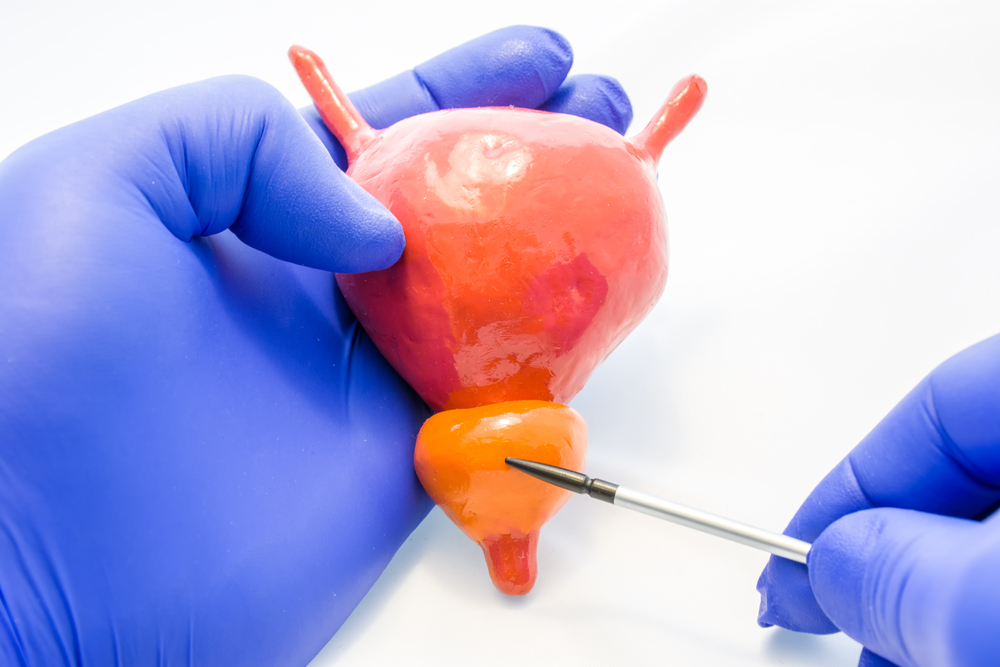
These can be significant factors contributing to an increased risk of urinary tract infections (UTIs). These abnormalities refer to functional or structural issues within the urinary tract that can create stagnant urine, impede normal urine flow, and disrupt the defense mechanisms of the body against bacterial infections. Tumors, urinary stones, and urethral strictures are structural blockages that can obstruct the normal flow of urine. Such obstructions can lead to urine stagnation, incomplete bladder emptying, and increased bacterial growth.
On the other hand, vesicoureteral reflux is a condition in which urine flows into the ureter or kidneys from the bladder, increasing the risk of kidney infections that can result in UTIs. According to the Urology Care Foundation, diverticula are outpouching structural abnormalities that harbor bacteria in the urethra or bladder. Even an enlarged bladder as a blockage can keep the body from draining all the urine from the bladder.
Catheter use
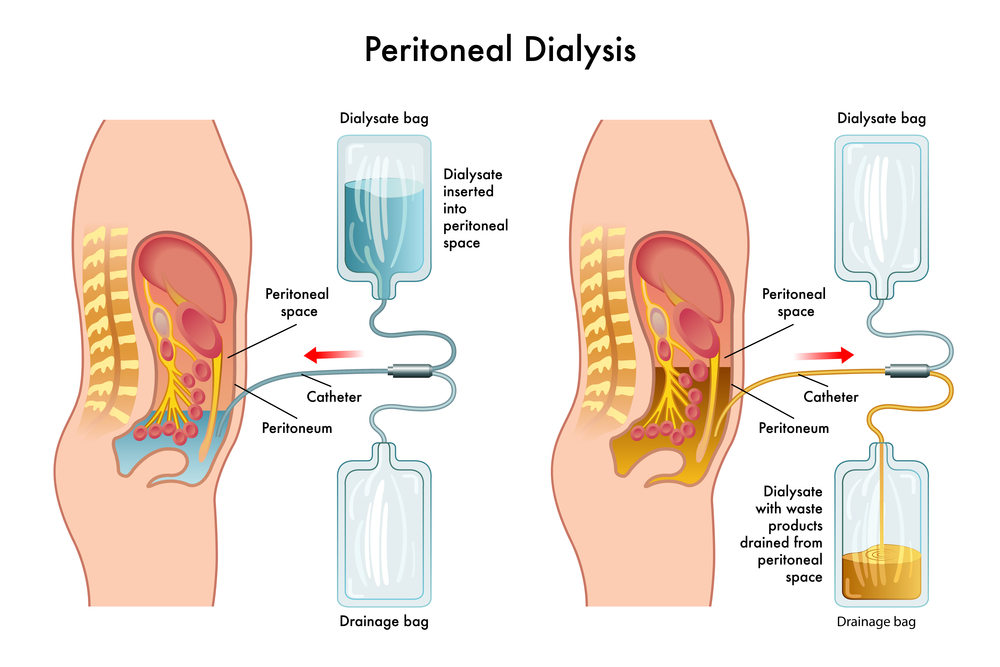
When an individual is unable to empty their bladder naturally, catheters are medical devices inserted into the bladder to drain urine. But these medical devices can introduce bacteria into the urinary tract and increase the risk of UTIs. Bacteria can be introduced during the catheter insertion process or migrate along the catheter tube.
Moreover, a biofilm can develop on the surface of the catheter over time. Biofilms refer to complex communities of microorganisms that provide a protective environment for bacteria to thrive and adhere to the catheter. The bacteria within the biofilm can resist antimicrobial treatments and immune defenses, increasing the risk of UTIs.
Weakened immune system
Our immune systems become less responsive as we age, according to UCLA Health. This means that infection can reach a more advanced state before the response of the immune system, which allows for symptoms of UTI to appear. The first symptom that some older adults would notice with a UTI is an ache or pain in the lower back.
Aside from aging, certain medical conditions can weaken the immune system, which can make individuals more vulnerable to infections. Immune function is compromised by conditions such as autoimmune disorders, diabetes, chronic illnesses, and HIV/AIDS. Even medications like chemotherapy drugs, corticosteroids, and immunosuppressants can suppress the immune system. They lower the ability of the body to fight off infections, including UTIs.