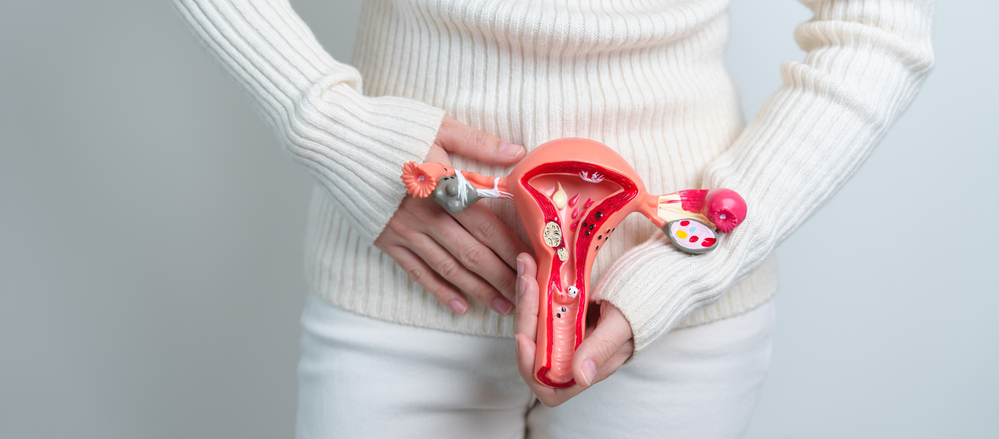
Vaginal dryness
Aside from being a common cause of pain during intercourse, vaginal dryness can also cause a burning sensation, increased risk of infection, and irritation. The vaginal tissues may become less moisturized and lubricated as estrogen levels decline during this transitional phase. This can result in itching, discomfort, and dryness in the vaginal area.
According to the Gynecology and Obstetrics Medical Group, whether it’s perimenopause or not, vaginal dryness creates unwanted complications. For example, increased urinary frequency, vulva irritation, and recurrent urinary tract infections can occur due to a lack of vaginal lubrication. Your sexual satisfaction or desire can be affected due to a lack of lubrication, resulting in changes in sexual function and decreased libido.
Changes in urinary patterns

Changes in urinary patterns are one of the most common symptoms of perimenopause. The hormonal change that occurs during this stage affects the urinary system, leading to several urinary symptoms. Even with smaller amounts of urine, you may notice that you need to urinate more frequently. A strong and sudden urge to urinate may be difficult to postpone. Where urine leaks involuntarily can be the result behind occasional episodes of urinary incontinence.
Moreover, you may even encounter nocturia, which refers to disrupting your sleeping patterns because you have the urge to urinate at night. Hormonal changes can make the urinary tract more susceptible to infections. You may experience symptoms such as cloudy or strong-smelling urine, pain or burning during urination, and frequent urination. Aside from perimenopause, pelvic floor dysfunction and bladder problems are other factors that can cause urinary symptoms.
Mood swings

Hormonal fluctuations can affect neurotransmitters in the brain that regulate emotions and mood, specifically changes in progesterone and estrogen levels, resulting in mood swings. According to the American Congress of Obstetricians and Gynecologists, about 4 in 10, women have mood symptoms during menopause that are identical to premenstrual syndrome (PM). You may feel like you have low energy, irritable mood, tearfulness, or difficulty concentrating correctly.
Unlike PMs, these symptoms may come at times that aren’t connected to your menstrual cycle. Symptoms may appear for years without having any definitive pattern. Perimenopausal mood instability is the type of this mood change. Moreover, some studies agree that what increases during the menopause transition is the risk of depression. You may feel like you’re starting to lose interest in usual activities, crying a lot, feeling numb, and feeling hopeless. You can even constantly worry about everything that gets in the way of your everyday life if you have anxiety due to this condition.
Cognitive changes

When you feel like you have memory lapses or difficulties with short-term memory during perimenopause, you may start to encounter cognitive changes. The hormonal fluctuations can affect brain function and cognition during this stage. If you already have short-term memory loss, this can manifest as difficulty recalling words or names, difficulty concentrating or multi-tasking, and forgetfulness. You may need help maintaining or focusing your attention on tasks, leading to increased distractibility and decreased productivity.
According to the Seattle Midlife Women’s Health Study, it reported 230 women from ages 33 to 55 were interviewed about their perceived cognitive function. 60% noticed an unfavorable change in memory “over the past few years.” Women reported problems in this cross-sectional survey, such as disruptions in everyday behavior, needing to use memory aids and forgetting events, and difficulty concentrating. However, only 44% of early or late perimenopausal were reported in a cross-sectional association between being perimenopausal and self-reported forgetfulness.
Night sweats

Night sweats are similar to hot flashes but can lead to excessive sweating, disrupting sleep patterns because they specifically occur during sleep. It can cause discomfort and can be bothersome due to sleep interruption. Hormonal fluctuations, specifically the decline in estrogen levels, are believed to play a role despite the exact cause of night sweats in perimenopause not being fully understood.
This symptom can vary in frequency and severity from woman to woman. Others may experience occasional episodes, while some may have them regularly throughout the week. Night sweats can be associated with other symptoms such as flushing of the face, chills, and rapid heartbeat. In perimenopause, your periods become irregular; your ovaries produce less progesterone, testosterone, and estrogen. Perimenopause encounters changes in hormone levels that will likely cause your hypothalamus to have difficulty in terms of body temperature regulation.
Irregular periods
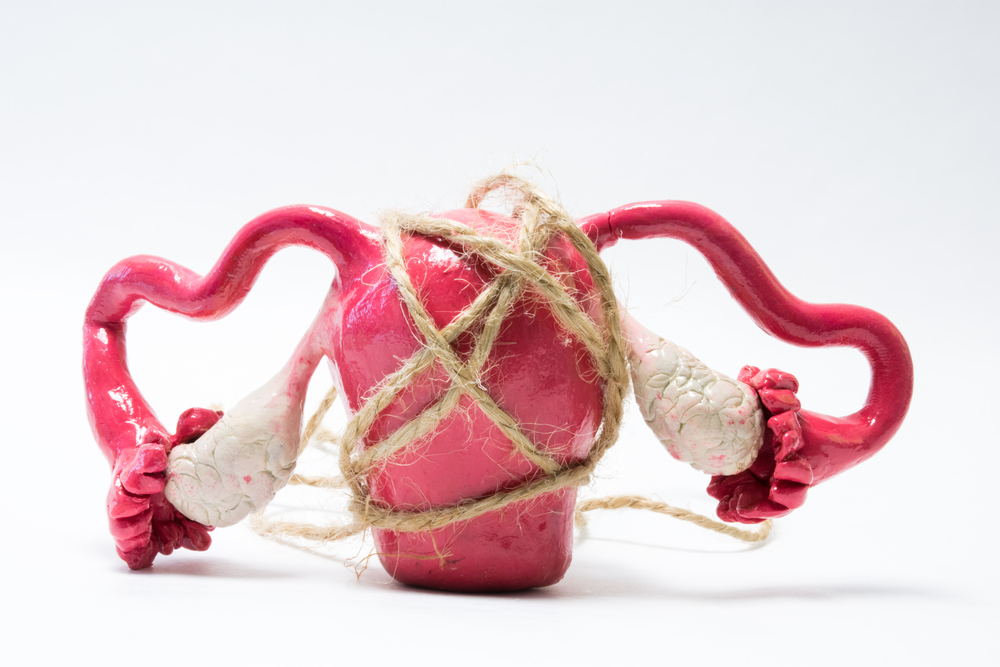
This is one of the common symptoms of perimenopause. Women’s hormone levels through the menopause transition, specifically estrogen, and progesterone, fluctuate and become less predictable. This hormonal imbalance can result in irregular periods due to changes in the menstrual cycle. The time between periods may become shorter or longer than usual. For example, a woman may experience a longer cycle of more than 35 days or a shorter cycle of fewer than 21 days.
Your periods can become irregular if your body produces fewer hormones that help you ovulate. Your breathing could also become lighter or heavier than usual. There may be cases when you notice changes in your premenstrual syndrome (PMS) symptoms. Other conditions can cause abnormalities in menstrual bleeding. You may experience spotting after sex, or you spot or bleed after your period.
Hot flashes
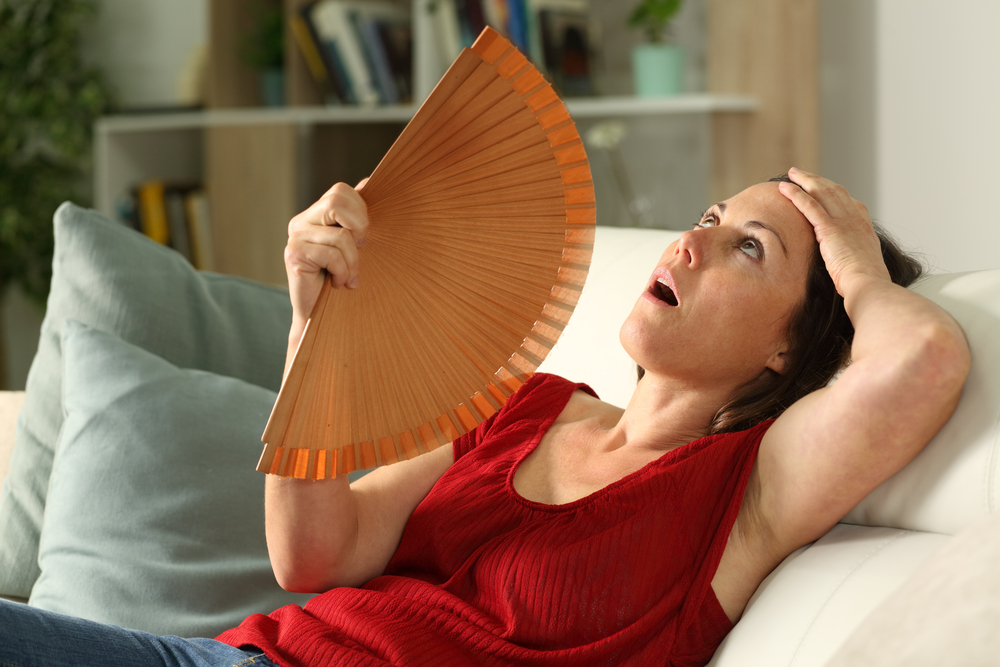
A hot flash is a sudden feeling of intense warmth often accompanied by sweating and flushing. This can last from a few seconds to several minutes and can occur during the day or night. Hormonal fluctuations, particularly a decline in estrogen levels, can disrupt the temperature regulation system of the body during perimenopause.
The ovaries begin to work less effectively during the menopausal transition. And there’s a decline in the production of hormones like estrogen and progesterone over time. Such changes can result in hot flashes and other symptoms related to menopause. A very effective treatment for hot flashes in women is hormone therapy. This treatment steadies the estrogen and progesterone levels in the body. They are beneficial for sleep, maintaining bone density, and vaginal dryness.
Sleep disturbances
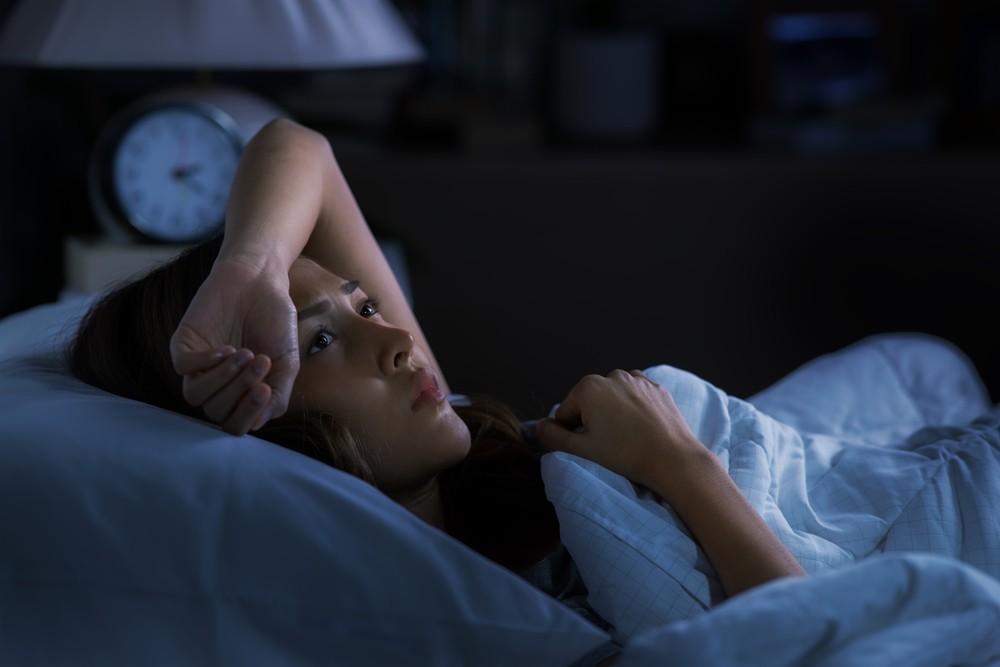
It’s possible to experience insomnia due to perimenopause. It may be pretty challenging to quiet your mind during the night when you have racing thoughts. With periods of wakefulness or light sleep interspersed throughout the night, sleep may become fragmented. This can result in feeling fatigued or unrefreshed upon waking.
Night sweats are sudden episodes of extreme sweating during sleep, leading to waking up frequently throughout the night and disrupting your overall sleeping patterns. Moreover, you can experience an increase in sleep apnea symptoms during perimenopause. Sleep apnea consists of loud snoring, daytime sleepiness, and episodes of interrupted breathing.
Changes in sexual desire

Known as a decrease in libido, changes in sexual desire can be a symptom of perimenopause. Hormonal fluctuations such as the decline in estrogen and progesterone levels can influence arousal and sexual desire during perimenopause. It was reported by many women that there’s a decreased interest in engaging in sexual activity during perimenopause. In some cases, a longer time may be required for arousal or a decreased intensity of orgasms.
Aside from a decrease in sexual desire, emotional factors may also be relevant. Fatigue, mood changes, or other perimenopausal symptoms can indirectly affect sexual interest and desire. Which is why it’s important to openly communicate with your partner and seek medical help from a professional about your changes in sexual desire due to perimenopause.
Fatigue
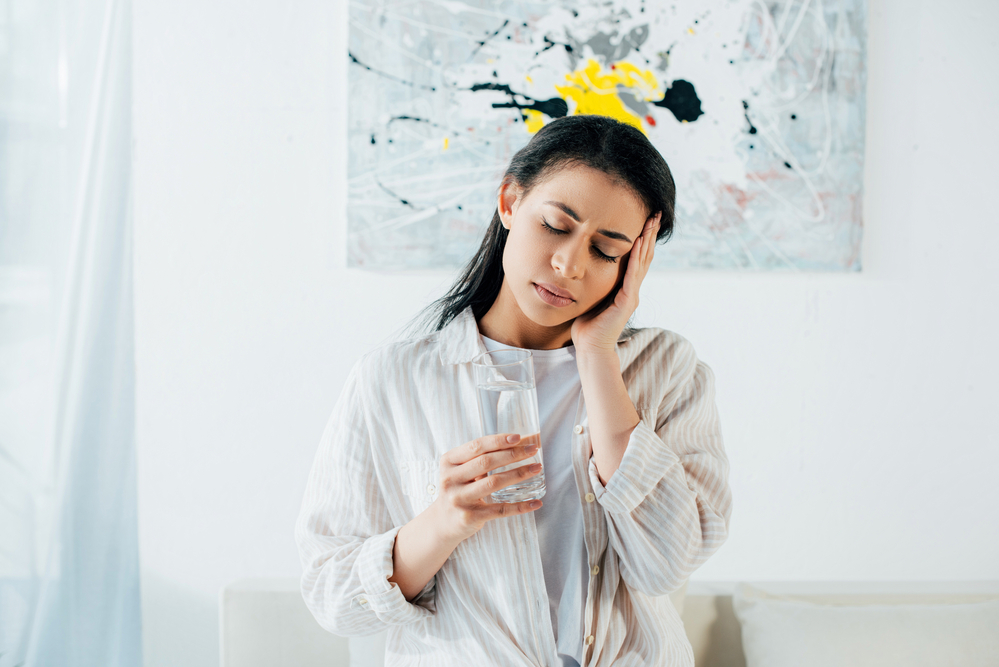
Increased feelings of tiredness or fatigue are common symptoms of perimenopause that many women with the condition can inevitably experience. Daytime fatigue and decreased energy levels can result from fluctuations in estrogen and progesterone levels, which can disrupt sleeping patterns, leading to insomnia or poor sleep quality.
According to Alloy, over 95% of perimenopausal and menopausal women dream of getting a good night’s sleep and complain of fatigue. Night sweats can also contribute to fatigue when you’re having perimenopause. These can wake you up and can cause sleep interruption and fatigue during the day. Estrogen plays a vital role in various neurotransmitters and their metabolism, including actions of the hormone melatonin and serotonin. Neurotransmitters are responsible for regulating the sleep-wake cycle of your brain. But this cycle is disrupted during perimenopause, causing you to wake up frequently at night.