Pain and discomfort

If you’re a woman with a yeast infection, you may experience pain or discomfort in the genital area. This can include a general feeling of discomfort, soreness, itching, and burning. Discomfort may be exacerbated when urinating or during sexual intercourse. As mentioned earlier, men can also develop yeast infections, particularly on the penis, which can cause pain and discomfort. Symptoms may include itching, redness, rash on the head of the penis, and irritation.
On the other hand, yeast infections in the mouth or oral thrush can also cause pain and discomfort. The affected areas like the inner cheeks, tongue, or throat may feel sensitive, sore, and irritated. This can make speaking, eating, and swallowing uncomfortable. While a yeast infection in infants and young children can lead to an uncomfortable and painful diaper rash. The affected area may be tender, red, and inflamed so the baby may appear uncomfortable or fussy.
Thick white patches in the mouth

According to the Southern Cross, oral thrush is a yeast infection located on the inside of the mouth. The appearance of creamy white spots on the insides of the cheeks or the tongue is its primary symptom. It’s important to note that while oral thrush can cause discomfort, it’s not usually a serious condition. You can treat oral thrush with pharmacy medications and warm salt water mouth rinses.
Additionally, the presence of the patches can cause pain and discomfort in the affected areas. Swallowing, drinking, and eating may become uncomfortable and challenging. Oral thrush will eventually affect the taste buds, leading to an unpleasant taste in the mouth or a diminished sense of taste. Moreover, the affected areas may receive a sore or irritated appearance since the patches may be surrounded by redness and inflammation.
Difficulty swallowing

This can be a potential symptom when you have a yeast infection, especially when it affects the esophagus or throat. This condition is a type of yeast infection that occurs in the lining of the esophagus and is referred to as esophageal candidiasis. A 2019 study published in the National Library of Medicine, patients with esophageal candidiasis complained of difficulty swallowing, pain on swallowing, and pain behind the sternum. There is a plaque that often occurs together with oral thrush on physical examination.
It may feel like liquids or food are not passing smoothly down the throat or getting stuck. The swallowing can be accompanied by a burning or sharp pain behind the breastbone or in the chest. You may experience chest pain when you have esophageal candidiasis, which can be similar to heartburn or a feeling of pressure. Moreover, if the difficulty swallowing affects food intake and persists, it can lead to unintentional weight loss.
Burning sensation during urination
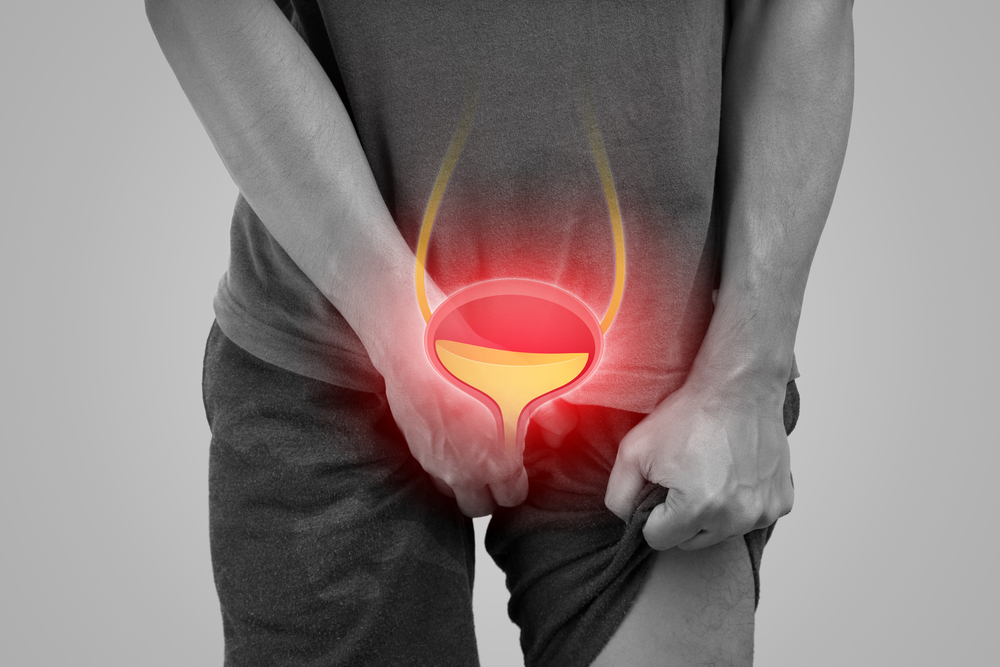
While a burning sensation during urination isn’t generally a common symptom of a yeast infection (candidiasis), it can still be associated with a condition similar to urinary tract infections (UTIs). According to Texas A&M Health, one symptom of yeast infections can be a burning sensation while urinating. This is accurate if the vaginal yeast infection has caused the vulva or the external vaginal area to become irritated and swollen.
This makes UTIs related and can occur concurrently with yeast infections or share similar symptoms. Yeast infections don’t directly cause pain or burning during urination but they primarily affect the genital area. UTIs caused by Escherichia coli or E.coli as a bacteria can lead to symptoms such as the urgency to urinate, cloudy or strong-smelling urine, and a burning sensation during urination.
Soreness and rash
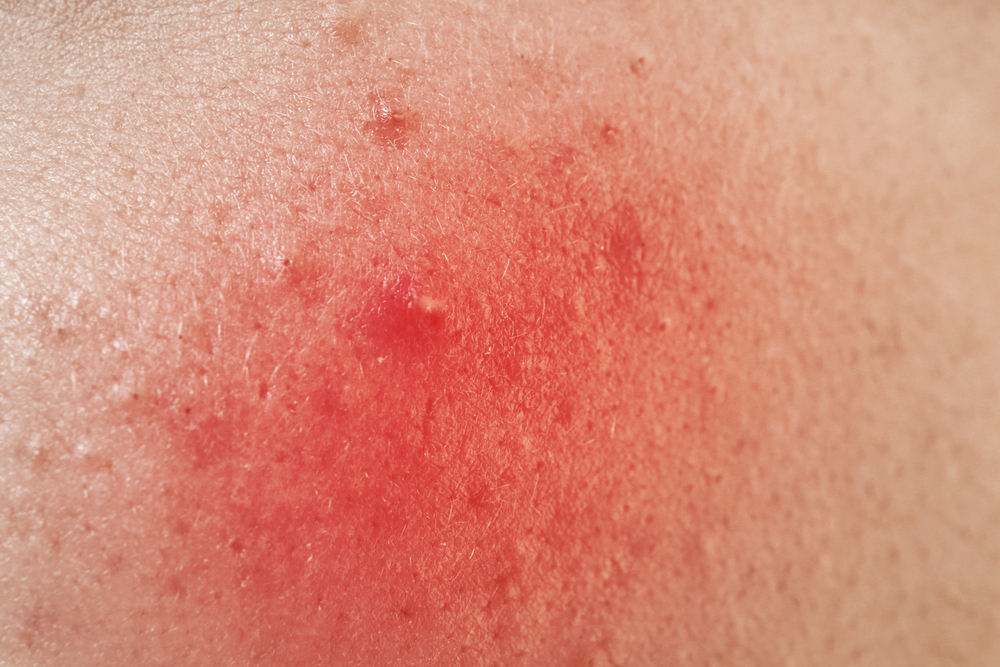
Soreness and a rash can be a potential symptom of a yeast infection, specifically when it affects the skin. According to EMedicineHealth, an overgrowth of the Candida fungus is usually what causes yeast infections. Candidal infections usually occur in moist, warm body areas such as the underarms. The skin usually effectively blocks yeast, but any skin cuts or breakdowns in the skin may allow the organism to infect and penetrate.
Moreover, superficial candidal skin infections appear as a red flat rash with edges that are scalloped and sharp. Satellite pustules or satellite lesions are smaller patches of similar-opening rash that are usually nearby. These smaller patches can be itchy, hot, or painful. It’s important to note that yeast infections can thrive in moist and warm environments. The skin may become macerated, appearing wrinkled, softened, and white if the infection occurs in the areas of skin folds that trap moisture. These areas can be under the breasts or in the groin.
Itching and irritation

According to All About Women Obstetrics and Gynecology, vaginal itching nearly affects every woman at some point. For some, it’s simply an uncomfortable nuisance, but for others, it already shows a more serious underlying health issue. It’s important to note that intense itching in and around the genital area is one of the hallmark symptoms of a yeast infection.
Your skin may appear swollen or sensitive to touch since the affected area may feel red, inflamed, and irritated. Some individuals may experience a stinging or burning sensation in the genital area. While there are rare cases when irritation and itching can cause pain and discomfort during sexual intercourse or urination. You’re recommended to consult a healthcare professional for an accurate diagnosis since itching and irritation can be symptoms of other conditions aside from yeast infection.
Redness and swelling

Redness and swelling are common symptoms associated with a yeast infection. These symptoms can be evident in various types of yeast infections such as penile yeast infections, yeast infections on the skin, vaginal yeast infections, and oral thrush. When redness and swelling are associated with a yeast infection, it indicates irritation and inflammation in the affected area. The mucous membranes of the affected skin may have a reddish hue or appear red. This redness is usually the inflammatory response of the body as a result of its response to yeast overgrowth.
The presence of a yeast infection can cause the affected area to become puffy or swollen. This swelling can contribute to feelings of pain or discomfort. Moreover, yeast infections can lead to localized inflammation since they can trigger an immune response. The inflammation can further contribute to the swelling or redness in the affected area.
Cottage cheese-like discharge
According to NI Direct, you may have thrush if your discharge is water or thin, or thick and white like cottage cheese. This fungal infection is already common but it causes soreness and intense itchiness around your vagina. The discharge may not have a strong smell, but it can smell slightly nasty. But it can also be odorless or may have a bread-like or slightly yeasty odor.
It’s important to keep in mind that a strong and foul odor is more likely to be associated with bacterial vaginosis or other vaginal infections. The presence of yeast infection associated with itching and irritation can impose discomfort or soreness. But not all vaginal discharge shows a strong sign of a yeast infection. Throughout the menstrual cycle, normal vaginal discharge can vary in consistency and color.
Pain or discomfort during intercourse

According to Medical News Today, you can still have sex despite having a yeast infection, but it can be painful. It can worsen symptoms and prolong the time for healing. What could be worse is when a person can pass the infection to someone else. This is why most doctors don’t recommend having sex until the infection is already eradicated from your body.
Because you may experience pain and discomfort throughout the entire sexual act or during penetration, especially if you’re a woman. The pain can range from mild to severe, which can be described as a stinging, sharp, or burning sensation. Even with minimal friction or pressure during intercourse, the vaginal area may feel sore or sensitive.