Emotional changes

Emotional changes are a possible symptom of Graves’ disease. The excessive production of thyroid hormones in this condition can result in various psychological and emotional effects. A study published in the National Library of Medicine showed that mental symptoms, such as anxiety, irritability, and sensitivity, are associated with hyperthyroidism, which is caused by Graves’ disease.
On the other hand, people with the condition may feel more agitated or nervous than usual, which can sometimes manifest as restlessness. Some individuals may also experience symptoms of depression, like sleep disturbances and emotional instability. But remember that not everyone with Graves’ disease can experience emotional changes, and the severity of these symptoms can vary from person to person.
Skin changes

Individuals, in some cases, may experience particular dermatological manifestations because of the autoimmune nature of the condition and the excessive thyroid hormone’s effects on the skin. According to the National Institute of Diabetes and Digestive and Kidney Diseases, people with Graves’ disease can cause the skin to have a rough texture when it becomes reddish and thick.
This condition is usually known as pretibial myxedema or graves’ dermopathy. This can develop on the top of your feet and other body parts despite your shins getting affected. Moreover, individuals with Graves’ disease can make the skin more reactive to environmental stimuli or more reactive to touch. Even in cool environments, hyperthyroidism can lead to excessive sweating.
Eye problems

According to the National Eye Institute, bulging eyes or proptosis is the primary symptom of Graves’ eye disease. While other possible symptoms include irritated eyes that are gritty, red, and dry. Graves’ disease or Graves’ ophthalmopathy occurs due to the autoimmune response that affects the muscles and tissues around the eyes, resulting in symptoms related to the eyes.
When you have graves’ ophthalmopathy, this can affect your eyes’ alignment, resulting in double vision when looking in particular directions. Due to inflammation and swelling of the eye tissues, the eyes may feel painful or under pressure. Moreover, you can experience discomfort in brightly lit environments when your eyes become more sensitive to light.
Changes in the menstrual cycle

As an autoimmune disorder that affects the thyroid gland, graves’ disease can lead to imbalances in hormone levels, including sex hormones and thyroid hormones. These hormonal fluctuations may cause various menstrual irregularities and can influence the menstrual cycle. In terms of irregular menstrual cycles this can be associated with changes in the timing of periods or variations in the length of the menstrual cycle.
Expect that, in some cases, the flow during menstruation can become lighter or heavier than usual. You may experience the absence of menstrual periods for an extended period, known as amenorrhea. Remember that thyroid hormones play an important role in regulating the menstrual cycle. Disturbances in their levels can affect the overall menstrual pattern and ovulation.
Sleep disturbances

In Graves’ disease, the overproduction of thyroid hormones can disrupt normal sleep patterns since it can cause various physiological changes. According to Oxford University Press, 43.0% to 71.9% of patients experience SDs with hyperthyroidism in Graves’ disease. This includes reduced sleep efficiency, difficulty falling asleep at night, and difficulty staying asleep at night.
On the other hand, the anxiety and hyperactivity associated with Graves’ disease can result in feelings of restlessness, making it challenging to fall asleep and relax. Your sleep can be disrupted and can cause discomfort due to excessive sweating during the night or night sweats. Moreover, you can feel tired and exhausted during the day despite experiencing sleep disturbances.
Goiter

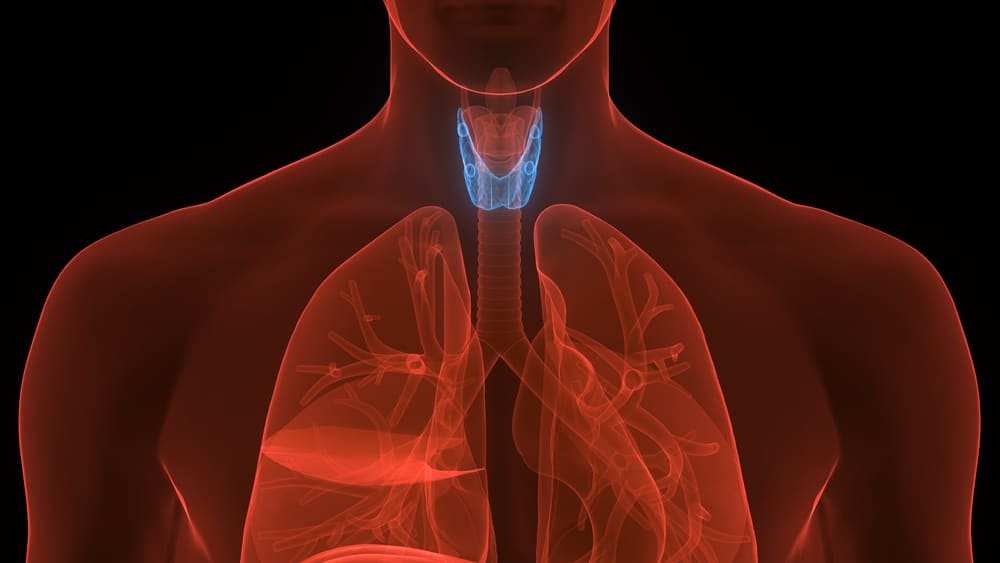
A goiter pertains to the enlargement of a butterfly-shaped gland called the thyroid gland, which is located in the front of the neck below the Adam’s apple. The result of the immune system’s attack on the thyroid gland is due to the development of goiter in Graves’ disease. According to the American Thyroid Association, goiter is another common cause of Graves’ disease. This is the case wherein a thyroid-stimulating immunoglobulin (TSI) as a protein is produced by the immune system.
This thyroid-stimulating immunoglobulin (TSI) produces a goiter since it enlarges the thyroid gland. The goiter is generally diffusely enlarged in Graves’ disease, affecting both sides of the thyroid gland. It may appear as a noticeable fullness or visible swelling in the front of the neck, and it can differ in size from mild to more significant enlargement.
Weight loss

This is a common and significant symptom of graves’ disease. Due to an overactive thyroid gland brought on by the impact of Graves’ disease, it increases the body’s metabolic rate. This will result in an accelerated breakdown of energy production and nutrients. Individuals with Graves’ disease, as a result, may experience rapid weight loss despite consuming more calories and having an increased appetite.
The calories in your body can burn quickly when excessive thyroid hormones rev up the metabolism. Graves’ disease, in some cases, can contribute to weight loss due to muscle breakdown. Loss of nutrients and calories is also possible due to increased bowel movements. However, note that weight loss in Graves’ disease is usually unintentional and can be accompanied by other symptoms. These symptoms include tremors, fatigue, irregular heartbeat, anxiety, and heat intolerance.
Rapid or irregular heartbeat
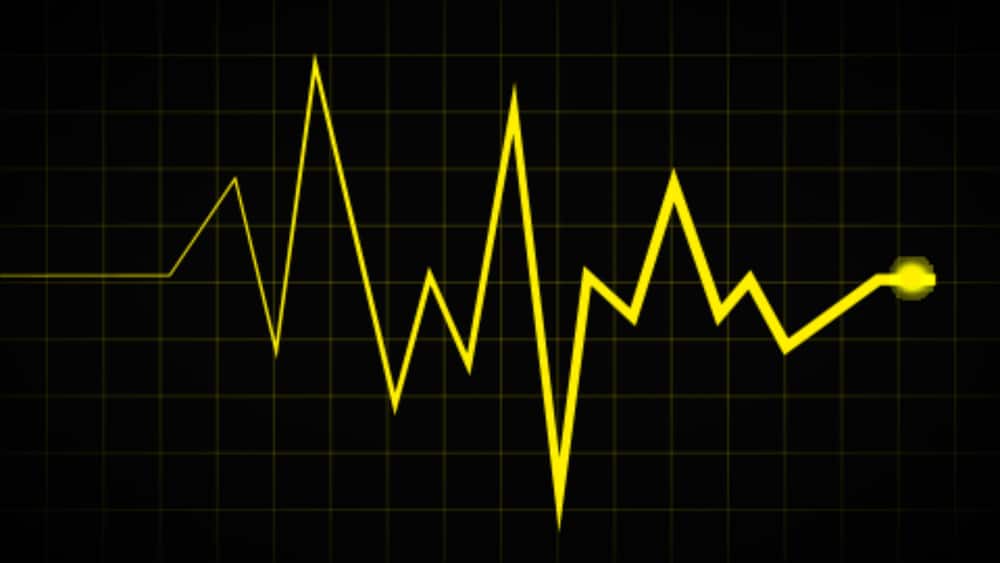
According to Harvard Health Publishing, abnormal heart rhythms can be triggered, and the heart may beat harder and faster caused by excess thyroid hormone. The condition can disrupt the normal electrical impulses that control the heart’s rhythm, leading to palpitations or irregular heartbeats. Also, graves’ disease, in some cases, can trigger a specific type of irregular heartbeat called atrial fibrillation.
This irregular heartbeat is where the upper chambers of the heart (atria) beat out of sync and chaotically with the lower chambers (ventricles). Therefore, seeking immediate medical attention is essential if you experience persistent rapid or irregular heartbeat.
Nervousness or irritability

Graves’ disease causes an overproduction of thyroid hormones (T3 and T4) as an autoimmune disorder that leads to hyperthyroidism. This can have various effects on the nervous system and mood. An increase in metabolic activity results from excessive levels of thyroid hormones. Restlessness, irritability, and nervousness can result when a “revved up” feeling is triggered.
If you have graves’ disease, you may describe feeling on edge, unable to relax, and easily agitated. The imbalances caused by the condition can disrupt the normal functioning of neurotransmitters, along with the nervous system being sensitive to thyroid hormone levels. This can eventually lead to emotional instability and mood changes.
Fatigue

In Graves’ disease, the excessive production of thyroid hormones can cause a state of hypermetabolism. This happens when the body is working at an accelerated rate. Increased metabolic activity can lead to different physiological changes, including rapid heart rate, heat production, and energy expenditure. The hyperactivity and increased metabolic rate associated with Graves’ disease can reduce endurance and muscle weakness.
Moreover, decreased muscle mass and rapid weight loss can contribute to feelings of fatigue and weakness. Rapid heartbeat, being a potential symptom of Graves’ disease, can lead to a higher cardiac output and may contribute to feelings of tiredness. Remember that fatigue in Graves’ disease is usually a result of the interplay between factors affecting overall health and hyperthyroidism-related symptoms.
Tremors

According to Springer, due to a flare of Graves’ disease, the dramatic tremors were a first symptom of a thyroid storm. This means that tremors are common symptoms of the condition. They’re involuntary, shaking movements that often affect the hands. But they can also occur in the face, legs, arms, and other body parts. Fine tremors are caused by the excessive production of thyroid hormones in Graves’ disease that can affect the central nervous system and lead to increased sensitivity of nerve cells.
These tremors are usually noticeable when you perform precise movements or hold a position like having a cup or writing. Keep in mind that essential tremors, which are more common in families or the general population, are different from graves’ disease-related tremors. Tremors in Graves’ disease are linked directly to the overactive thyroid gland.
Heat intolerance

A study published in the National Library of Medicine shows that a well-known symptom of Graves’ disease is heat intolerance. This makes it possible that the recognition of graves’ disease could be influenced by increased ambient temperature. This can occur by enhancing or unmasking the symptom of heat intolerance. Moreover, this study concluded that the incidence of graves’ disease diagnosis could be affected by seasonal variations in the temperature.
When you have heat intolerance due to Graves’ disease, expect to sweat more than usual, even when others do not feel overheated. You can feel uncomfortably hot or warm, especially in heated indoor spaces or warm weather. The skin may become flushed or red due to the efforts of your body to dissipate excess heat.
Increased bowel movements

Thyroid hormones play a significant role in regulating the speed of various bodily processes, including digestion. Increased gastrointestinal motility may result from an excess of thyroid hormones in the bloodstream because of Graves’ disease. Increased gastrointestinal motility is when the movement of food through the digestive tract is faster than usual. This can result in diarrhea due to more frequent and loose stools.
More rapid transit of food through the intestines is possible since the condition can affect the digestive system. Bowel movements and gut function are influenced by thyroid hormone imbalances that can affect the nervous system. Moreover, diarrhea can contribute to nutritional deficiencies and weight loss since it can lead to poor absorption of nutrients from the food.
Muscle weakness
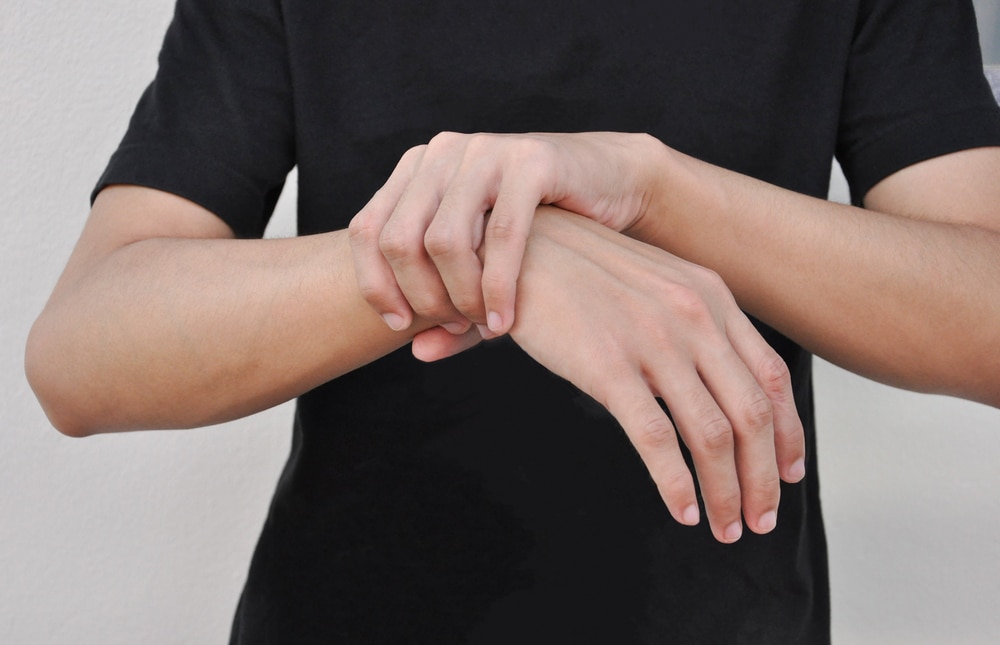
Keep in mind that some of the factors that contribute to muscle weakness in Graves’ disease include fatigue. This can affect your muscle function and overall physical stamina. Fine and rhythmic tremors associated with the condition can contribute to difficulty performing specific tasks and muscle weakness.
Moreover, in some cases, graves’ ophthalmopathy or eye-related symptoms can affect the muscles that control eye movements. This results in eye-related muscle weakness. However, it’s important to remember that not everyone with the condition can experience muscle weakness, but it’s still crucial to see your doctor if potential symptoms come up.