What are the causes of vascular dementia?
Cause No. 1: Cerebral amyloid angiopathy
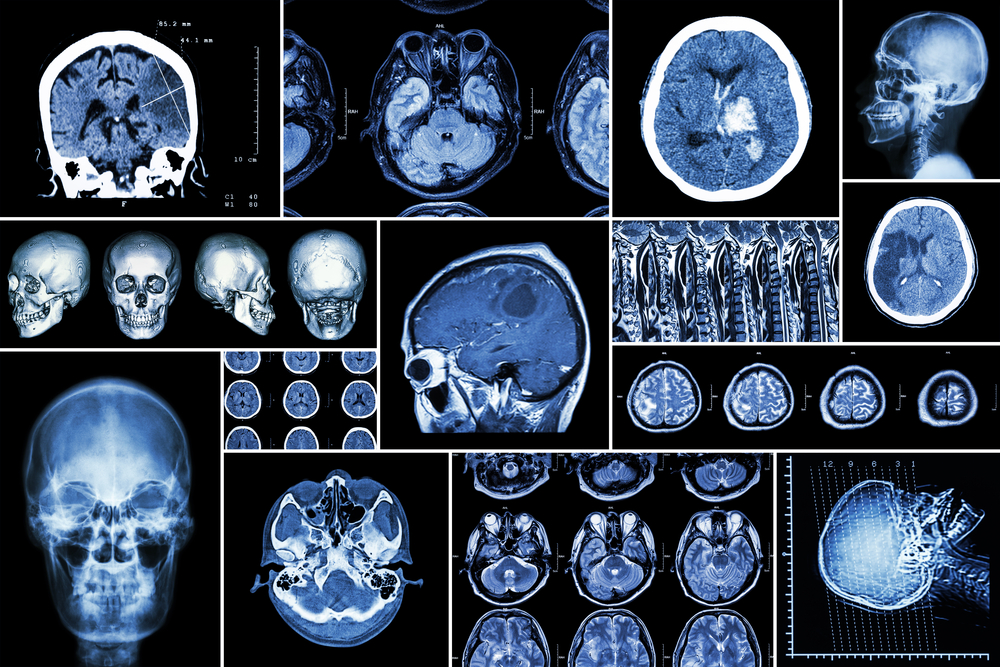
It’s important to keep in mind that cerebral amyloid angiopathy (CAA) is primarily considered a cause of hemorrhagic stroke rather than vascular dementia. However, CAA is still associated with cognitive impairment, including dementia. CAA is characterized by amyloid protein buildup in the walls of blood vessels in the brain. This accumulation can make the blood vessel walls vulnerable, making them prone to rupture which will cause bleeding in the brain.
The type of bleeding is usually referred to as a hemorrhagic stroke. When this occurs in multiple areas of the brain due to CAA, it can lead to neurological symptoms, specifically cognitive impairment. CAA-related hemorrhages may not solely account for the development of vascular dementia, despite their contribution to cognitive decline.
Cause No. 2: Stroke

According to a 2016 study published in the National Library of Medicine, recent evidence suggests ischaemic stroke survivors, in which 25-30% develop delayed or immediate vascular dementia or cognitive impairment. Before the index stroke, cognitive dysfunction states are described under the pre-stroke dementia umbrella. This can entail insidious neurodegenerative processes and vascular changes. Family history, older age, low educational status, vascular comorbidities, and genetic variants are risk factors for dementia and cognitive impairment after stroke.
The brain relies on a constant supply of nutrients and oxygen, which the blood carries. Brain cells in the affected area may be damaged or die after a stroke. This can either be due to bleeding (hemorrhagic stroke) or blockage (ischemic stroke). This can lead to various cognitive deficits, such as difficulties in problem-solving, reasoning, thinking, and memory loss.
Cause No. 3: Small vessel disease
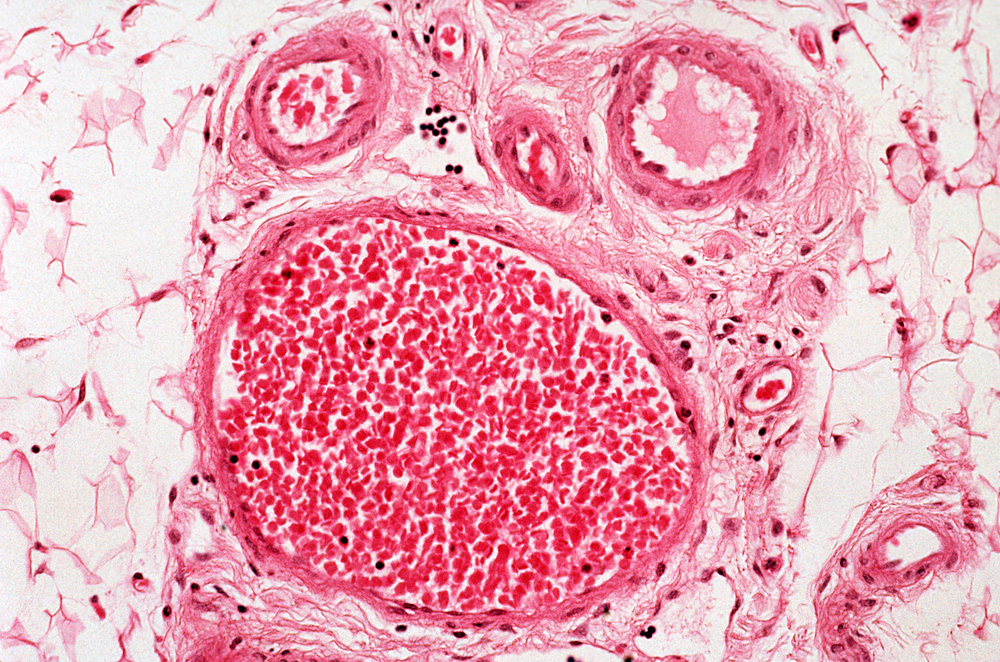
A 2006 study published in the National Library of Medicine showed that intracranial small vessel disease (SVD) and athero thromboembolism are considered to be the primary causes of cerebrovascular injury, which can result in vascular dementia and cognitive impairment. SVD is a condition where small blood vessels in the brain become blocked, narrowed, and damaged. This can lead to reduced blood flow to some regions of the brain.
The damage and reduced blood flow to the small blood vessels can result in the dysfunction of brain cells or death, leading to cognitive impairment. Small vessel disease can be detected through magnetic resonance imaging (MRI) from brain imaging techniques. MRI can show evidence of lacunar infarcts, small strokes, or white matter changes.
What are the symptoms of vascular dementia?
Symptom No. 1: Impaired executive functioning

Executive functions are a set of cognitive processes that are responsible for decision-making, planning, problem-solving, organizing, and other mental activities on a high level. Vascular dementia can contribute to difficulties in these cognitive processes since it affects the brain regions responsible for executive functioning. With this condition, you may face difficulty organizing and planning daily and complex tasks.
Moreover, since executive functions involve problem-solving functions, this may affect your ability to analyze problems, generate solutions, and make appropriate decisions. You may find it challenging to weigh the pros and cons, consider alternatives, and select the most appropriate or practical course of action. You can also struggle to shift strategies or attention when faced with shifting demands or unexpected events. Additionally, multitasking may not be your best friend when you have vascular dementia since it can decrease your work productivity.
Symptom No. 2: Language and communication difficulties

Vascular damage affects the areas of the brain that are responsible for language processing and communication. So with vascular dementia, you may experience various challenges in expressing yourself, understanding written or spoken language, and engaging in conversations. When you search for the right things to say, you can eventually experience frequent pauses while speaking. This difficulty is known as word-finding difficulty or anomia.
Moreover, this condition can affect your ability to convey thoughts and ideas clearly. You can face difficulty in organizing your ideas, forming sentences, or maintaining a logical flow of conversation. Your speech may lack appropriate grammar or may become fragmented. These difficulties can lead to social isolation, frustration, and challenges in daily social interactions.
Symptom No. 3: Memory loss

According to the Alzheimer’s Association, brain areas, as the starting point of vascular changes, play a key role in retrieving and storing information since it may cause memory loss, similar to Alzheimer’s disease. Keep in mind that memory impairment in vascular dementia is usually characterized by memory deficits that are short-term and long-term. For short-term memory loss, you can have difficulty remembering recent information, events, or conversations. This makes you face difficulties in recalling new information.
For long-term memory loss, you can experience difficulties in remembering past personal experiences, memories, and events. You can struggle to remember details about your life history. Moreover, forgetfulness is a common complaint in individuals who have the condition. You can frequently forget important conversations, appointments, or tasks. You can even have difficulty in retracing your steps or often misplacing items.
What are treatments for vascular dementia?
Treatment No. 1: Lifestyle modifications

According to NHS UK, the main goal of treatment for vascular dementia is to treat the underlying cause to help stop and prevent the condition from getting more severe. Engaging in regular physical exercise has been proven to have numerous benefits for brain health. Exercise can help reduce the risk of cardiovascular diseases, promote the growth of new brain cells, and improve blood flow. Health guidelines recommend you aim for at least 150 minutes of moderate-intensity aerobic exercise per week, like swimming, brisk walking, and cycling.
Moreover, adopting a nutritious and balanced diet is essential for brain health. Be sure to focus on consuming various fruits, vegetables, healthy fats, lean proteins, and whole grains. Avoid the intake of processed foods, saturated fats, and trans fats. Control and manage vascular risk factors such as obesity, high cholesterol, hypertension, and smoking. To control these conditions, follow medical advice through regular medical check-ups, lifestyle changes, and medications.
Treatment No. 2: Medications

According to the Cleveland Clinic, your healthcare provider will prescribe you medications to reduce high cholesterol levels, regulate blood sugar, lower high blood pressure, and thin your blood to prevent blood clots. It’s important to note that vascular dementia doesn’t have specific medications for its treatment. This is why managing the underlying vascular risk factors and related conditions is essential to the overall treatment plan.
Medications such as clopidogrel and aspirin may be prescribed to reduce the risk of stroke or transient ischemic attacks and to prevent blood clot formation. These medications can prevent blockages in the blood vessels and help keep the blood flowing more smoothly. Moreover, statins are commonly prescribed medications to manage levels of high cholesterol. The development and progression of vascular disease can be due to the contribution of high cholesterol. Statins help reduce the risk of plaque buildup in the arteries by lowering cholesterol levels.
Treatment No. 3: Supportive care and education

According to UCSF Health, if you’re caring for someone who has vascular dementia, it’s essential to have realistic and attainable goals. Caregivers can end up frustrated and exhausted since they try to make everything all right and strive for unrealistic goals. But you have to accept that success may be only 80%, but it will allow you to enjoy the time you might have. Despite the challenges you can face, try being comfortable with a less-than-perfectly organized home.
Moreover, UCSF Health also advises you to anticipate misinterpretation. A person with vascular dementia may be unable to accurately interpret non-verbal or verbal cues, which can cause anxiety and frustration for both of you. This is why you must try to be clear and concise in your communications, like using the same words or message and repeating things as needed. When trying to communicate, reduce extraneous noise and distractions.
Treatment No. 4: Cognitive rehabilitation

This is an important treatment approach for you and people who have vascular dementia. This treatment focuses on enhancing functional skills, maximizing independence in daily life, and improving cognitive abilities. Conducting a comprehensive assessment of the cognitive strengths and weaknesses of the individual is the first step in cognitive rehabilitation. This can help identify specific areas of cognitive impairment and acts as a guide in developing the treatment plan of the individual.
Moreover, memory impairments are common in vascular dementia. Cognitive rehabilitation provides techniques to improve the storage, retrieval, and encoding of information, as well as strategies to compensate for memory deficits. This can also help individuals to generate solutions, analyze problems, and make informed decisions. These may involve activities like guided meditation or computer-based attention training programs.