What are the symptoms of Lyme disease in dogs?
Symptom No. 1: Loss of appetite

A dog can experience a variety of clinical signs when it’s infected with Lyme disease. These clinical signs include changes in eating behavior and decreased appetite. The reduced interest in food is due to the impact of the bacterium Borrelia burgdorferi on the overall well-being of the dog. Moreover, a reduced appetite may be the result when Lyme disease can cause fatigue and general malaise.
If your dog has the disease, it may eat less than usual, lack interest in its regular meals, or even refuse to eat altogether. The consequence of decreased food intake would be weight loss. However, it’s important to keep in mind that loss of appetite is a non-specific symptom that can be related to other health conditions in dogs. It’s advisable to consult with a veterinarian for appropriate treatment if your dog is constantly showing decreased appetite or other symptoms.
Symptom No.2: Fatigue

According to petMD, dogs affected with the disease are more lethargic. This means they’ll act more tired instead of being energetic and awake. As a result of the increased efforts of the immune system to fight the disease, lethargy occurs. The increased efforts of the immune system occur through the production of white blood cells and antibodies (immune system proteins). Hyperthermia or body temperature elevation is often associated with lethargy.
Moreover, if your dog shows fatigue as a potential symptom, it may show less interest in physical activities. These activities can be exercise or playtime that it previously enjoyed. Depending on the severity and stage of the infection, the fatigue can be persistent or intermittent.
Symptom No. 3: Lameness

According to The Ohio State University, typically, a mild lameness (this may shift from leg to leg) and fever may occur when your dog already has Lyme disease. After the dog is bitten by an infected tick, lameness most often develops 2 to 6 months. Another piece of information about lameness as a potential symptom of Lyme disease is from the VCA Animal Hospitals. If your dog experiences limping, it may recur weeks or months later if left untreated since it will eventually disappear.
For clarification, lameness refers to a change in gait or difficulty in walking, which can be one of the most noticeable signs of the disease. Moreover, lameness episodes can occur intermittently with periods of lameness along with apparent recovery. When the affected joints are manipulated, your dog may exhibit tenderness, discomfort, or pain. They may face difficulty lying down or getting up, stiffness, and reluctance to move.
Symptom No. 4: Fever
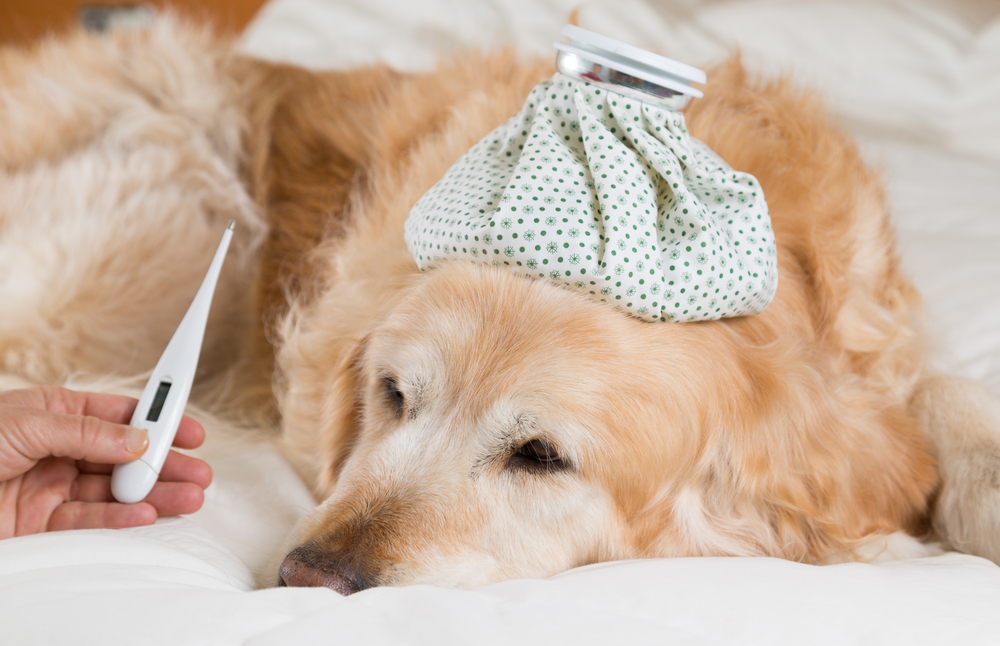
While this can be a potential symptom of Lyme disease, it’s not always present. An immune response is triggered by the impact of the bacterium Borrelia burgdorferi when it infects a dog. This can result in an elevated body temperature. A fever is often accompanied by other signs of illness like muscle malaise, loss of appetite, and lethargy in dogs with Lyme disease.
Depending on your dog’s individual response and the severity of the infection, the fever may be mild or more pronounced. But like other symptoms, keep in mind that fever can occur with other health conditions. So with a combination of clinical signs, medical history, and diagnostic tests, a veterinarian should make a proper diagnosis.
Symptom No. 5: Joint inflammation
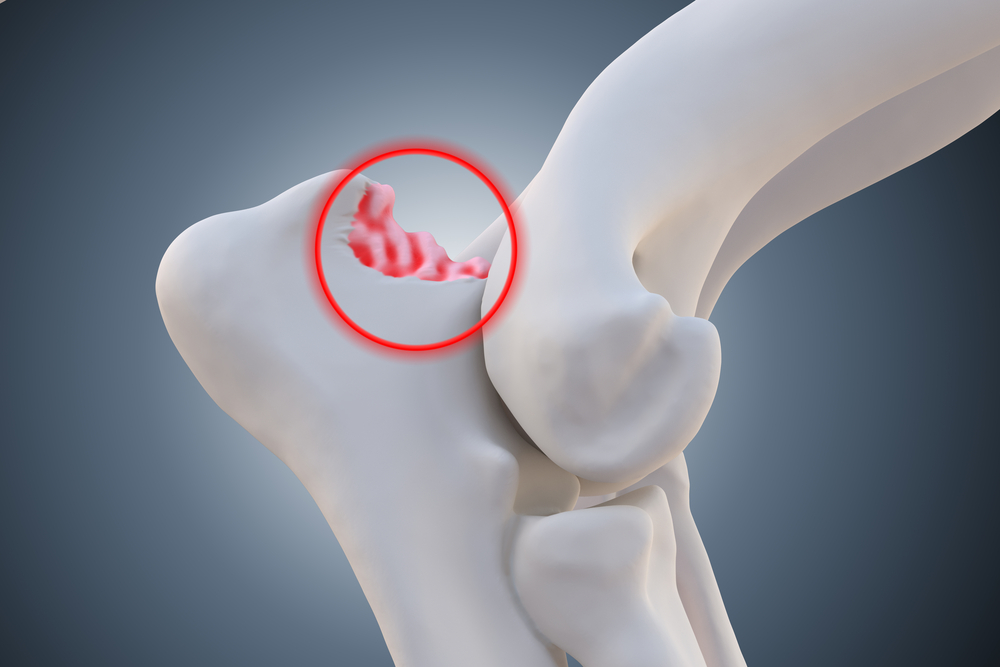
This is a hallmark symptom of Lyme disease in dogs. The bacterium Borrelia burgdorferi can lead to a condition called Lyme arthritis since it causes Lyme disease and can affect the joints. According to Scarsdale Vets, many dogs have recurrent lameness because of joint inflammation, specifically if they develop Lyme disease. Either in the same leg or in other legs, the lameness lasts for only 3 to 4 days but can recur days to weeks later.
This occurrence is known as “shifting-leg lameness,” in which one or more joints can be warm, painful, and swollen. But keep in mind that not all dogs infected with the condition can develop Lyme arthritis. This means that joint inflammation can also have other causes. If you notice that your dog experiences lameness, joint inflammation, or has Lyme disease, don’t hesitate to contact its veterinarian right away.
What are the treatments for Lyme disease in dogs?
Treatment No. 1: Supportive care
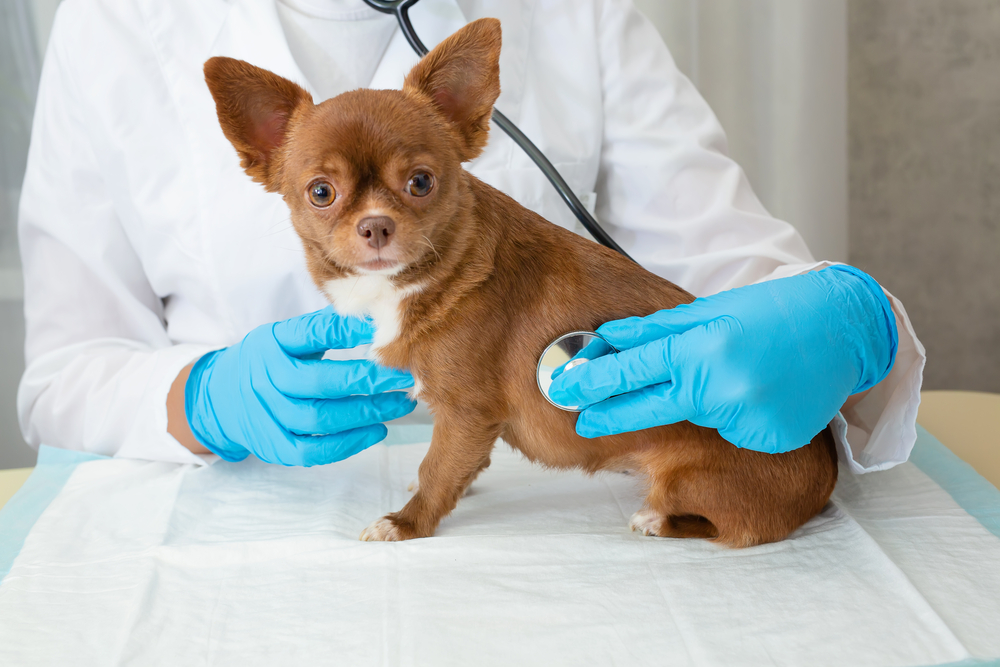
It’s important to note that instead of being a direct treatment for Lyme disease, supportive care is a significant aspect of overall comfort and management for dogs with the condition. Supportive care aims to promote a faster recovery, alleviate symptoms, and support the overall well-being of dogs. It’s inevitable for your dog with Lyme disease to experience pain and discomfort, so your veterinarian may recommend the use of pain medications to reduce inflammation and alleviate pain.
Moreover, your veterinarian may recommend the limitation of physical activities to your dog, like avoiding strenuous activities or reducing exercise to prevent further strain on the affected joints. This reduces the risk of exacerbating symptoms and allows the dog’s body to heal. Lastly, chondroitin and glucosamine are joint supplements that can be helpful for your dog that has the condition.
Treatment No. 2: Nonsteroidal anti-inflammatory drugs (NSAIDs)
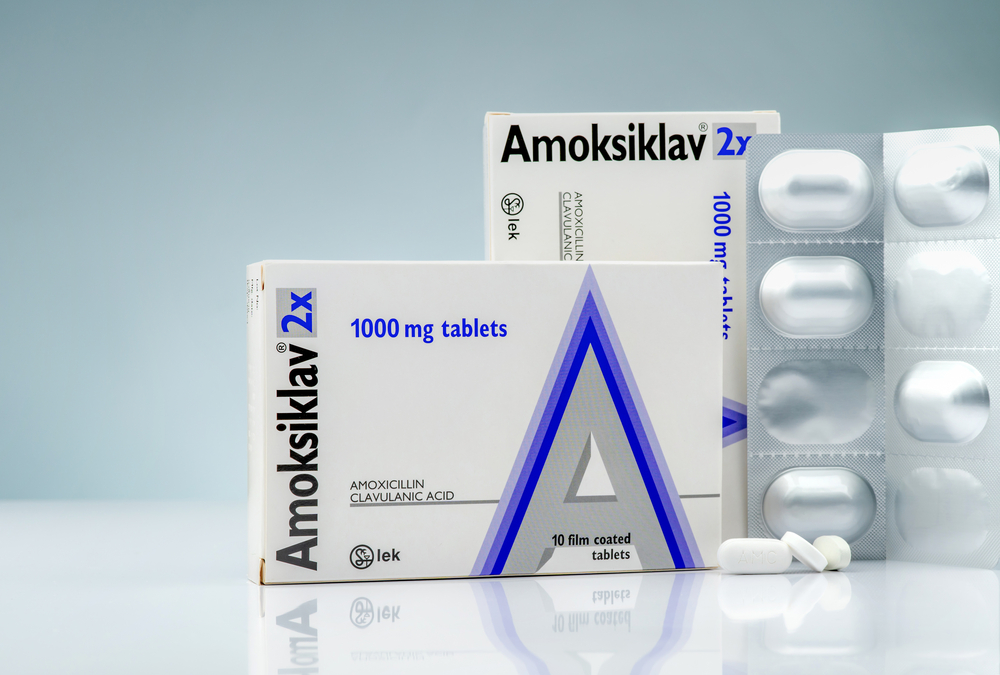
Take note that NSAIDs don’t target the underlying bacterial infection caused by Borrelia burgdorferi, but they can help reduce inflammation and manage pain. Doxycycline or amoxicillin are antibiotics that aim to eliminate bacteria from the dog’s system. These can help resolve the infection and associated symptoms by directly targeting and killing the bacterium Borrelia burgdorferi.
But NSAIDs can also be prescribed as part of supportive care for dogs with Lyme disease to help reduce joint inflammation, manage pain, and improve the dog’s comfort. They’re used to alleviate Lyme disease symptoms such as discomfort, lameness, and joint swelling when associated with Lyme arthritis, which can occur as a complication of Lyme disease. But it’s important to use these medications under the guidance of your veterinarian since they can have potential side effects if used incorrectly or for extended periods.
Treatment No. 3: Follow-up testing

Follow-up testing for dogs with Lyme disease is a diagnostic measure used to monitor the dog’s recovery and assess the effectiveness of treatment. Follow-up testing may be recommended by a veterinarian to confirm that the infection has been successfully cleared and to evaluate the dog’s response to treatment. This is recommended after completing a course of antibodies to treat Lyme disease in dogs.
The exposure to the Lyme disease bacteria and the dog’s immune response is indicated by the presence of antibodies. The absence of detectable antibodies or a decline in antibody levels suggests the infection has been treated effectively. But as the antibodies can persist in the bloodstream for some time, some dogs may continue to test positive for antibodies even after successful treatment.