Antibiotics

Remember that antibiotics aren’t the first line of treatment for sore throat. Since the majority of sore throats are caused by viral infections such as the flu or the common cold, these don’t usually respond to antibiotics. However, healthcare professionals may perform a rapid strep test or throat culture to confirm the bacteria’s presence. Antibiotics may be prescribed to prevent possible complications and combat the infection if the test results are positive for a bacterial infection.
Amoxicillin and penicillin are common antibiotics that healthcare providers may prescribe you to take if your sore throat is already resulting in strep throat, according to Cleveland Clinic. Moreover, a healthcare provider may prescribe an antibiotic either pill or liquid form, or may give you an antibiotic shot. Make sure to follow the instructions of your provider. You’ll usually take the pills or liquid in 10 days.
Herbal remedies

Herbal remedies are beneficial to alleviate symptoms and promote healing for your sore throat. For example, marshmallow root tea or lozenges can help soothe and coat the throat. It forms a protective layer that can ease discomfort and reduce irritation. For honey and warm water, add a tablespoon of honey to herbal tea and warm water. On a side note, honey has natural antibacterial and soothing properties that can provide temporary relief for sore throat.
On the other hand, sage or salvia officinalis is popular in herbal cooking as well as in the health aspect. Sage may help with many inflammatory conditions, and controlled studies suggest that it can help relieve throat pain, according to Medical News Today. Even apple cider vinegar has been a staple in remedies relating to folk medicine for centuries. Acetic acid, its main active ingredient, can help fight bacteria.
Cold of frozen foods

According to Strepsils AU, cold frozen foods such as frozen yogurt, ice blocks, ice cubes, and ice cream may help to cool your sore throat to reduce discomfort while eating. To soothe a throat that feels inflamed, try fruit-based sherbert and popsicles, especially if you’re a fan of eating frozen foods.
Sucking on small ice chips can help alleviate pain and numb the throat. You can always go to your favorite frozen yogurt shop to taste the cold, smooth, and creamy frozen yogurt that can help ease throat discomfort. Even chilled gelatin desserts or snacks can provide temporary relief and be gentle on the throat.
Avoid irritants

Irritants can start with air pollutants. Make sure to use air purifiers in your home, specifically in areas where you spend most of your time. Minimize exposure to air pollutants such as chemical fumes, dust, and pollutants since they can exacerbate throat irritation. Avoid strong chemical odors and cleaning agents that can irritate your throat. It’s important to opt for natural and gentle cleaning products if possible.
This might be a sign for you to avoid acidic and spicy foods. Avoid consuming food or beverages that are highly acidic and spicy since they can cause discomfort and irritate your throat. Moreover, resting your voice and avoiding excessive talking or shouting can help strain the throat and promote healing.
Humidify the air
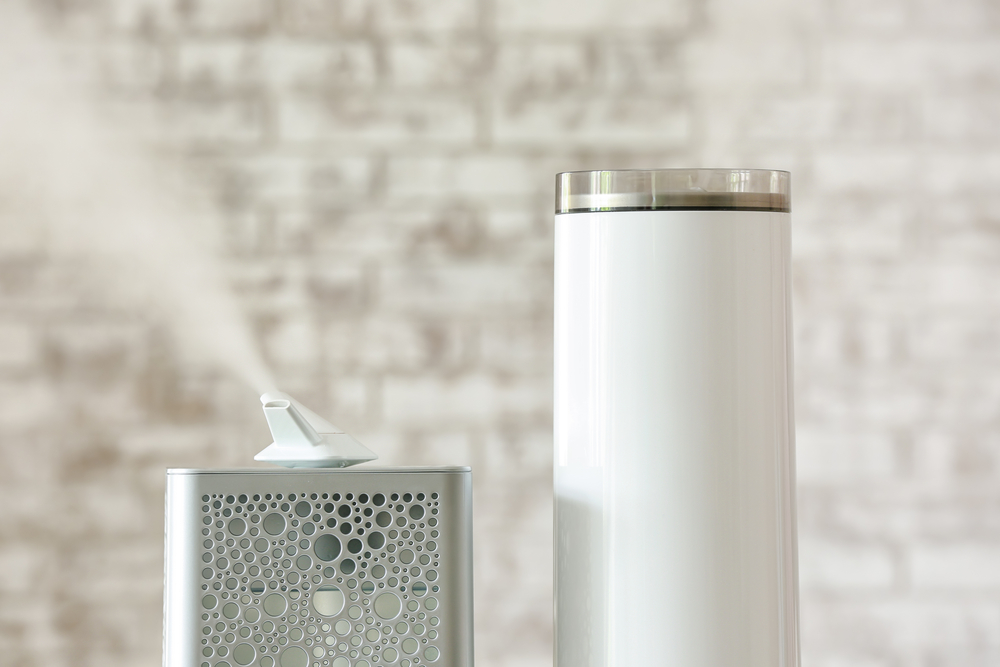
If the cause is dryness or irritation due to low humidity, humidifying the air can be an effective treatment for sore throat. Using a humidifier adds moisture to the air to keep the throat hydrated and soothe discomfort. On the other hand, humidifying the air can also be beneficial if your sore throat is accompanied by nasal congestion or a stuffy nose.
Moist air reduces nasal congestion and can help in loosening mucus. This will reduce your throat irritation and it will be easier for you to breathe through the nose. Humidifiers prevent further drying of the throat by releasing moisture in the air to prevent dry air from worsening irritation and prolonging the healing process.
Steam inhalation

The NHS File suggests steaming once or twice a day for 10-15 minutes. It’s best to do it at times when you’re already aware of your symptoms such as dry throat or have been in a dry environment or if you used your voice more heavily. Before using the water, give it a minute because boils can scald. Inhaling steam can soothe dryness and irritation since it helps add moisture to the throat.
Moreover, steam inhalation can help thin out and loosen the mucus in the nasal passages and throat. If your sore throat is accompanied by congestion or a post-nasal drip, this can be particularly helpful. Please take note that steam inhalation isn’t recommended for young children with certain medical conditions like asthma or chronic obstructive pulmonary disease (COPD).
Honey and warm water

Honey and warm water are a natural and soothing remedy for relieving symptoms of sore throat. Honey consists of anti-inflammatory and anti-bacterial properties. When honey is combined with water, it forms a soothing mixture to help alleviate discomfort and reduce throat inflammation. Moreover, honey provides a protective barrier against further irritation due to its consistency.
Honey prevents the throat from drying out and promotes healing as well as retaining moisture. Additionally, this has been shown to have cough-suppressant properties. Consuming warm water and honey can help provide relief by soothing a persistent cough associated with a sore throat. To use honey and warm water for sore throat relief, add a tablespoon of honey to a cup of warm water. Sit the mixture until the honey is completely dissolved before sipping the mixture slowly. Repeat this several times throughout the day for relief.
Rest your voice

If your sore throat is due to vocal strain or overuse, resting your voice is an important and effective treatment. Avoid talking or singing loudly for too long. Mayo Clinic suggests that you can try to use a megaphone or microphone if you need to speak before large groups. Make sure to avoid caffeine and alcohol and drink plenty of fluids to prevent dehydration.
Resting your voice allows the inflamed tissues in the throat to heal. Your body has the opportunity to repair the damaged tissues when you limit talking or using your voice as it reduces inflammation and irritation. You can have the option to use non-verbal communication methods such as using gestures or writing to communicate when possible.
Stay hydrated

Drinking an adequate amount of fluids helps keep your throat moist, soothing discomfort and reducing dryness. Moisture in the throat can help promote healing and alleviate irritation. Moreover, staying hydrated can help thin out thick mucus in your throat, making it easier to reduce and clear congestion.
Keep in mind that proper hydration is essential for maintaining a healthy immune system. Drinking enough fluids can help support your body’s natural defenses to aid in the healing process and fight off infections. The University of Michigan recommends drinking liquids that are at least 64 ounces (2 liters or 8 cups) to thin mucus, stay hydrated, and keep your throat moist.
Gargle with warm salt water

Gargling with salt water can help reduce inflammation in the throat to provide relief from pain and swelling. It helps flush out bacteria, mucus, and other irritants from the throat. This can help promote healing and reduce throat irritation. The warm temperature of the saltwater can provide temporary relief from discomfort and soreness.
If you gargle with warm salt water, dissolve half a teaspoon of salt in 8 ounces or about 240 ml of warm water. Gargle it for a few seconds before spitting it out, then repeat it a few times. Make sure to do this three times a day. For an additional note, spit out the saltwater into the sink and don’t swallow the solution.
Over-the-counter pain relievers

Some of the most common over-the-counter (OTC) pain relievers that can be beneficial for treating sore throats are nonsteroidal anti-inflammatory drugs and acetaminophen. Medicines like naproxen sodium and ibuprofen can help relieve pain, lower fever associated with a sore throat, and reduce inflammation. Acetaminophen or Tylenol works by inhibiting the production of certain pain-causing substances in the brain.
When using OTC pain relievers for sore throat, it’s important to read carefully and adhere to the dosing instructions provided on the packaging. It’s always best to consult a pharmacist for proper dosage recommendations based on your age and any existing medical conditions. Moreover, OTC pain relievers can help manage symptoms of sore throat by reducing inflammation and pain, but they don’t treat the underlying cause of the sore throat.
Lozenges or throat sprays

Lozenges are medicated tablets that are small and can dissolve slowly in the mouth. They typically consist of ingredients such as benzocaine, numbing agents, and menthol that provide temporary relief by reducing pain and irritation and soothing the throat. Moreover, this can also stimulate the production of saliva, which can alleviate dryness and moisturize the throat.
On the other hand, throat sprays are liquid formulations that are sprayed directly onto the back of the throat. They contain ingredients like phenol, benzocaine, and topical anesthetics that give a numbing effect to temporarily relieve discomfort and pain.