Fever

In some cases, when an infection causes inflammation, fever can be a symptom of pleurisy. The body’s immune system responds by increasing the body temperature when the pleura becomes infected, such as in viral or bacterial pleurisy cases. This occurrence can often result in fever. But it’s important to remember that the presence or absence of fever varies from several factors. These factors include the severity of the inflammation or infection, individual variations on how the body reacts to the condition, and the underlying cause of pleurisy.
Fever often occurs along with empyema. An empyema refers to the extra fluid in the pleural space that can result in a buildup of pus if it’s infected. Also known as purulent pleuritis or pyothorax, empyema is a condition in which pus gathers in the area known as the pleural space between the inner surface of the chest wall and the lungs. Pus is a fluid that consists of bacteria, immune cells, and dead cells. A needle or surgery must drain the pus in the pleural space since it can’t be coughed out. On the other hand, a low-grade fever may be present in a viral pleurisy accompanied by other symptoms such as cough, body aches, and fatigue. While a higher fever may be present in bacterial pleurisy, which is less common but can occur as a pneumonia complication.
Muscle aches

This may be a common symptom of pleurisy, specifically when we speak of rheumatoid pleurisy. You may experience sharp chest pain when breathing deeply. In some cases, you can also experience the pain in the shoulder. The pain may worsen every time you move around, sneeze, or cough. However, this may be relieved when you take shallow breaths. A dry cough and shortness of breath are other possible symptoms of this condition, according to NHS Inform.
The chest pain associated with pleurisy can sometimes radiate to surrounding muscles, causing muscle aches and discomfort in the back or chest. This can be connected to the proximity of the pleura to the muscles in these areas. Moreover, pleurisy being a symptom of underlying conditions such as viral infection or pneumonia may cause generalized body aches and muscle aches. Altered body positions and prolonged activity can also contribute to muscle aches and stiffness when you try to adopt certain postures to decrease discomfort or reduce physical activity due to persistent or severe pleurisy.
Pleural friction rub

A pleural friction rub can be a possible symptom of pleurisy. This occurs when the inflamed pleural layers, such as the parietal and visceral pleura, rub against each other during respiratory movements. It’s typically characterized by a disinfect rubbing or scratching sound during breathing. The location of the pleural friction rub responds to the inflammation area. The audible sound produced by the pleural layers can be heard with a stethoscope. This creaking noise is heard during inhalation and exhalation.
It’s important to keep in mind that a pleural friction rub is almost always a sign of pleurisy. This condition is another name for the inflammation of pleura tissues around your lungs. Pleurisy and the conditions that result from it may also cause a pleural friction rub. However, there are cases when the rub may only be heard during particular breathing maneuvers, such as the changes in the patient’s position or deep inspiration.
Shortness of breath

The pleura can affect the function of the lungs and lead to respiratory difficulties when it becomes inflamed. The pleural layers will stick together caused of inflammation, limiting the lungs’ ability to fully expand during inhalation. Which is why you may experience a sensation of shortness of breath or breathlessness when you have pleurisy. You may often experience this symptom during deep breathing or physical exertion.
In some cases, pleural effusion may occur if the pleurisy causes excess fluid buildup around the lungs. Shortness of breath that may be severe can be the result of pleural effusion. You can likely experience this when the pleurisy is caused by a bacterial infection or pulmonary embolism. If you experience frequent shortness of breath and chest pain, it’s important to seek medical care right away.
Loss of appetite

Loss of appetite is not a direct symptom of pleurisy. However, it can occur as a secondary effect or connected with other symptoms associated with the underlying causes of pleurisy. Pleurisy can be a symptom of a viral respiratory infection or pneumonia. These conditions can cause fatigue, general malaise, and a reduced appetite for the overall illness. Since chest pain associated with pleurisy can be intense with coughing or deep breathing, the pain can make eating uncomfortable or diminish appetite.
A malignancy or an autoimmune disorder are underlying conditions in which pleurisy can sometimes occur. These conditions have systemic effects that enable you to have a decreased appetite. Moreover, taking medications to manage pleurisy can also include loss of appetite as one of the potential side effects.
Dry cough
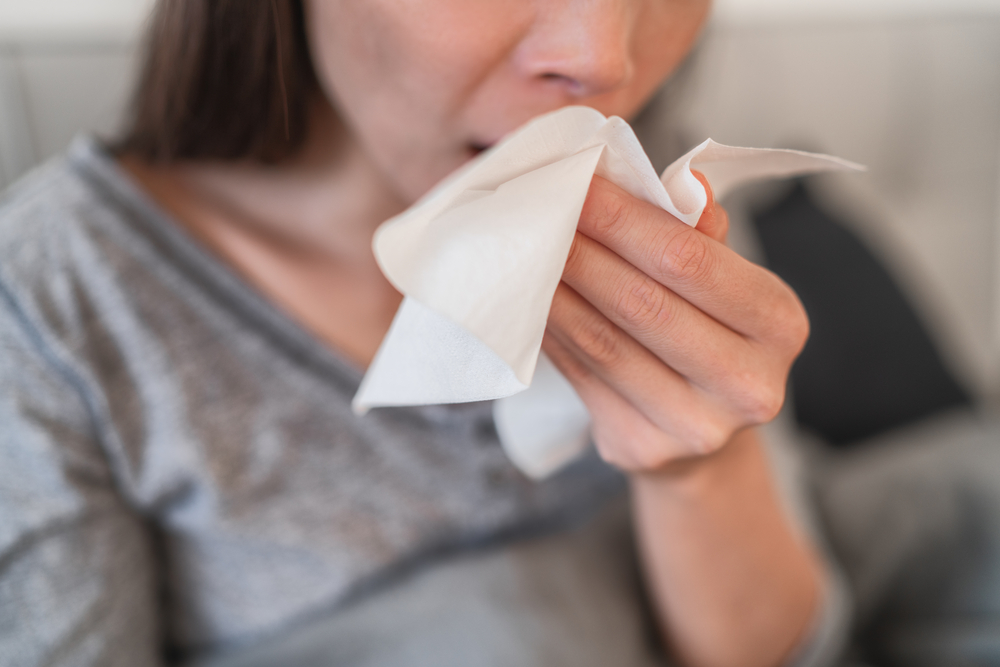
Having a dry cough is one of the most common symptoms of pleurisy. When the thin lining surrounding the lungs and chest cavity called the pleura becomes inflamed, it can irritate the bronchial tubes and other nearby structures. This irritation will eventually lead to a dry cough. When associated with pleurisy, dry cough is typically non-productive. This means that the symptom does not produce sputum or phlegm.
When the cough worsens, movements such as sneezing, deep breathing, and coughing can exacerbate the chest pain caused by pleurisy. But it’s important to note that dry cough can be a potential symptom for other respiratory conditions such as asthma or bronchitis. So in order to determine the underlying cause, a thorough evaluation by a healthcare professional is a must.
Chest pain
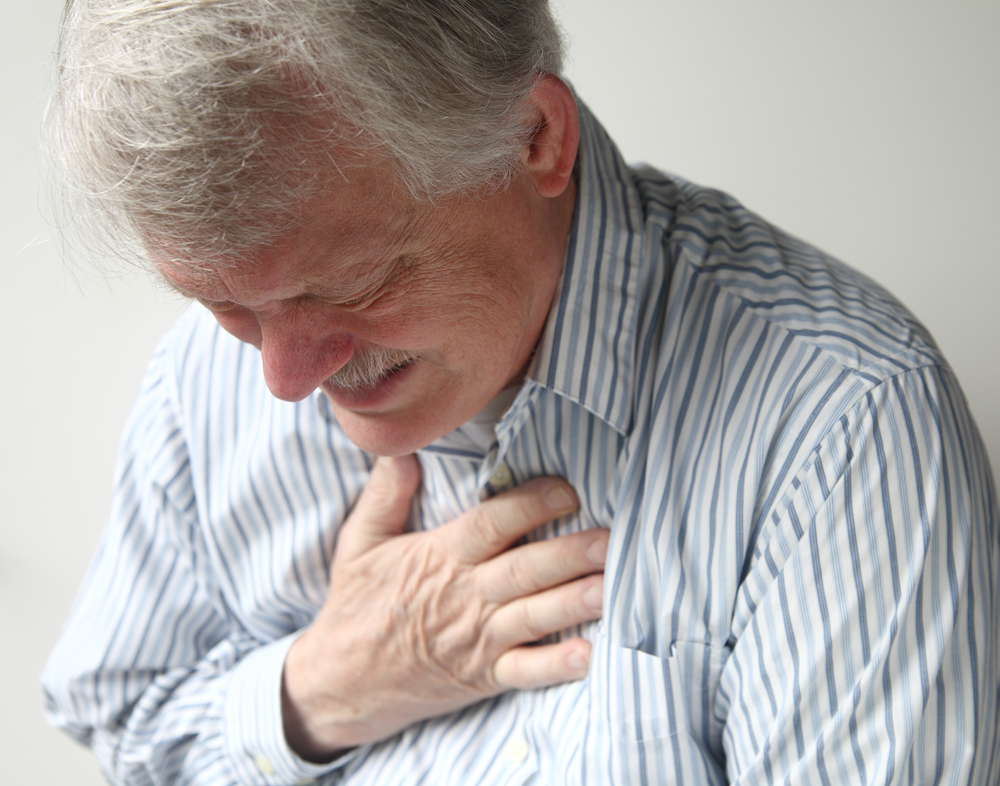
A pleuritic pain is a chest pain that’s usually sharp and gives a “stabbing” feeling in the chest. Every time you breathe or cough, the pain may continue to worsen. The main symptom of problems that affect the pleura or pleurisy is pleuritic chest pain, according to the Patient website. Depending on the problem of the pleura or site of the inflammation, you may feel a pleuritic chest pain anywhere in the chest.
Common triggers aside from breathing or coughing can be laughing or sneezing. The pain is typically felt on one side of the chest and may radiate to the abdomen, shoulder, and back. A decreased ability to take deep breaths or move the chest freely due to discomfort may be the result of the pain due to pleurisy since it can be quite intense.
Painful breathing

Painful breathing is caused by the inflammation of the pleura. The pain that’s often associated with pleurisy is described as aching, sharp, and stabbing. It’s usually felt in the chest and may worsen with respiratory movements such as coughing, laughing, breathing, and sneezing. The pain can be felt generally or may be localized to one side of the chest.
The cause of the pain came from the inflamed pleural layers rubbing against each other during breathing. The pain can limit the ability to take deep breaths or deep comfortability since it can be pretty intense. Other conditions are also related to painful breathing, such as musculoskeletal issues, pneumonia, and pulmonary embolism. If you’re experiencing frequent breathing or other respiratory symptoms, it’s important to seek medical professional help immediately for appropriate diagnosis and treatment.
Rapid heartbeat

While rapid heartbeat may not be a direct and common symptom of pleurisy, it can still be associated with the condition. A severe respiratory infection or pneumonia can cause pleurisy, leading to an increased heart rate as part of the body’s reaction to the infection. Rapid heartbeat becomes a secondary response to the underlying cause of pleurisy rather than a direct result.
A faster heart rate eventually becomes the result when the inflammation or infection affecting the lungs can trigger an increased sympathetic nervous system activity. But it’s important to be aware that rapid heartbeat can also be a symptom of conditions such as anxiety and cardiac issues. The conditions that were mentioned are needed to be evaluated by a healthcare professional if ever you’re also having symptoms related to these conditions.
Fatigue

Fatigue is less common than other pleurisy symptoms, such as shortness of breath and chest pain. Fatigue can occur as part of the overall illness in cases where pleurisy is secondary to an infection, such as a viral respiratory infection and pneumonia. The immune system works harder when the body’s fighting an infection, resulting in a feeling of tiredness or generalized fatigue.
You may eventually feel tired and weak when you have chronic pleurisy. Prolonged bed rest and antibiotic treatment may be the potential causes of you experiencing fatigue. The occurrence of fatigue will usually last for weeks, depending on the severity of the condition. Pleurisy-related chest pain can also affect sleep quality and patterns, contributing to a feeling of fatigue throughout the day. This will make you feel more tired and unmotivated to accomplish required tasks and even your usual activities.