Preterm labor
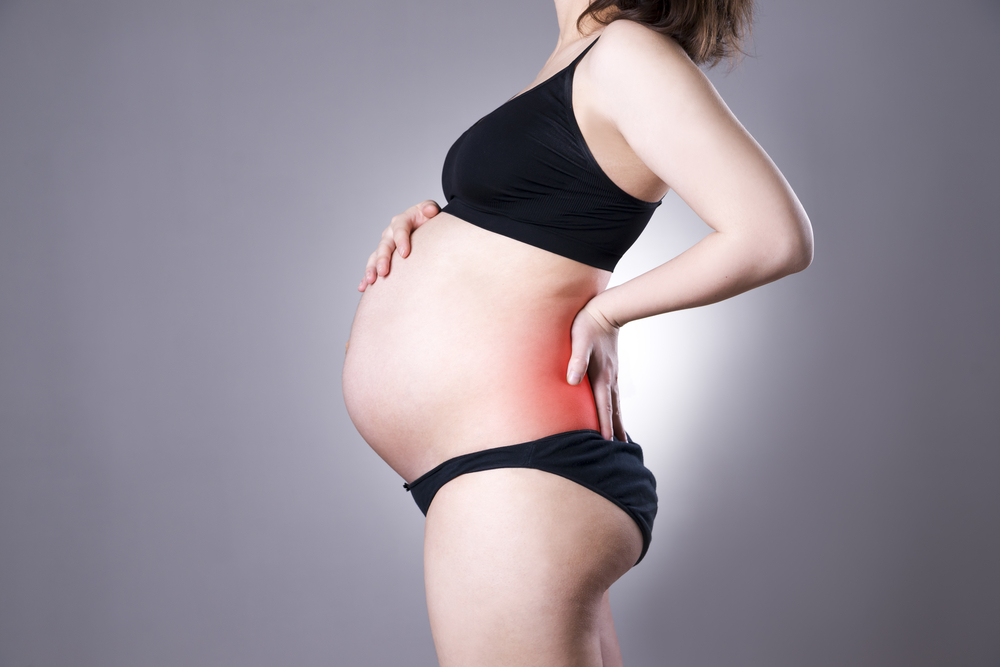
This is one of the potential causes of stomach pain during pregnancy. Preterm labor refers to the onset of cervical changes and regular contractions before the pregnancy’s 37th week. Preterm labor must be taken seriously as it can lead to premature birth, which can pose risks to the health and development of your baby.
According to the Cleveland Clinic, preterm labor may result in being born early or premature birth. But labor can be usually stopped to allow the fetus more time to develop and grow in the uterus. Stomach pain associated with preterm labor may feel like menstrual-like cramps that come and go at regular intervals. You may also experience a dull or throbbing pain in the lower back and a sensation of increased heaviness of pressure in the pelvic area.
Round ligament varicosities
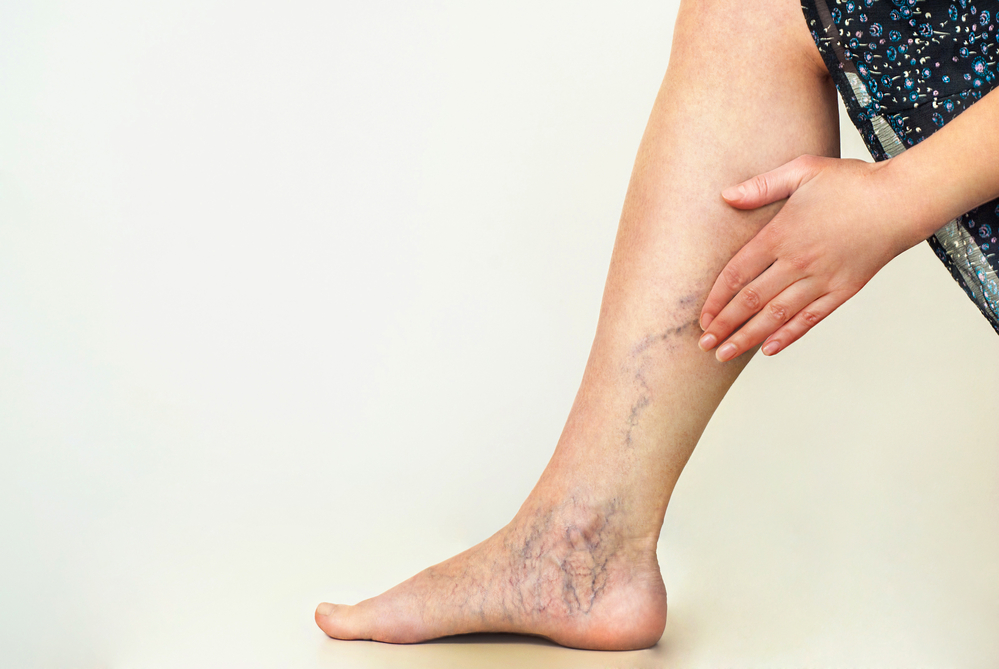
Varicose veins can occur in the pelvic area and legs during pregnancy, this includes the round ligament region. These swollen and enlarged veins can potentially cause pain or discomfort in the pelvic area or lower abdomen. Varicose veins may lead to aching, sharp pain, or throbbing when they develop in the round ligament. The pain is usually localized where the round ligaments are located and is directed to the lower abdomen, specifically on the sides. This may get worse due to prolonged standing, movement, and physical exertion.
A 2019 study published in the National Library of Medicine showed that round ligament varicosities occur exclusively in postpartum and pregnant women wherein they present similarly to inguinal hernias clinically. This poses diagnostic challenges to clinicians. Since inguinal hernias are associated with round ligament varicosities in this study, it’s important to note that round ligament varicosities don’t require surgery, unlike inguinal hernias.
Gastroenteritis
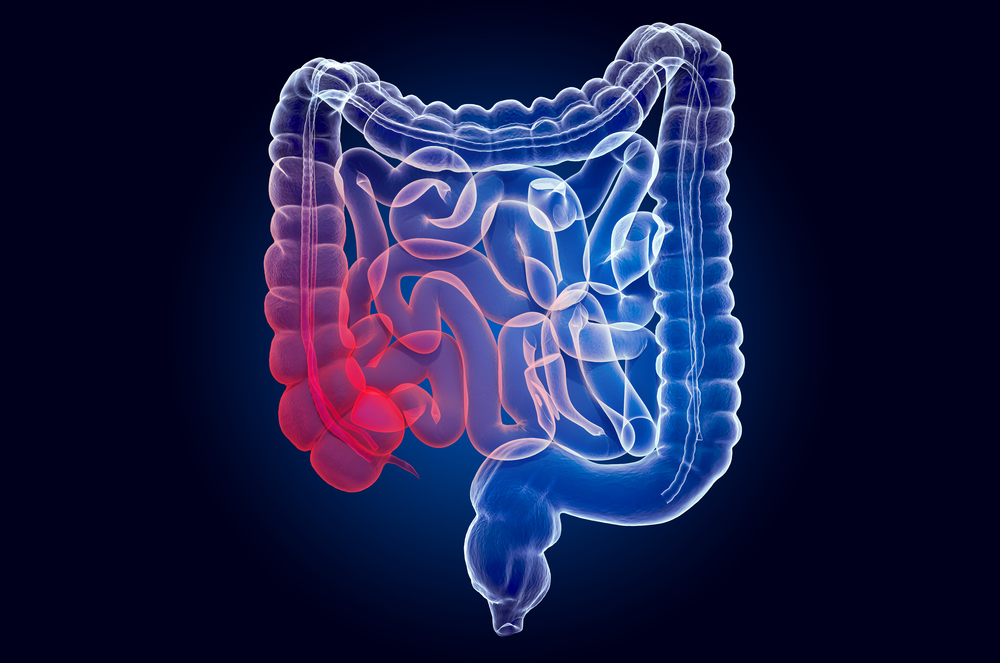
Gastroenteritis can be a cause of stomach pain during pregnancy, which refers to the inflammation of the gastrointestinal tract. It can lead to various symptoms such as abdominal pain and discomfort, and is commonly caused by bacterial or viral infections. This cause can be concerning because it can lead to dehydration, which can present risks to the developing baby and the mother. Because of this, it’s essential to stay hydrated by drinking plenty of fluids, especially if there’s a presence of diarrhea or vomiting.
When you develop gastroenteritis, you’ll most likely experience stomach pain and cramping. A common symptom of gastroenteritis is abdominal pain. This pain can be accompanied by a feeling of fullness or bloating, and it can also be typically crampy. Aside from stomach pain and cramping, you can also experience a fever that’s often low-grade. It’s also normal to encounter a decreased appetite when you have gastroenteritis due to stomach pain during pregnancy.
Appendicitis
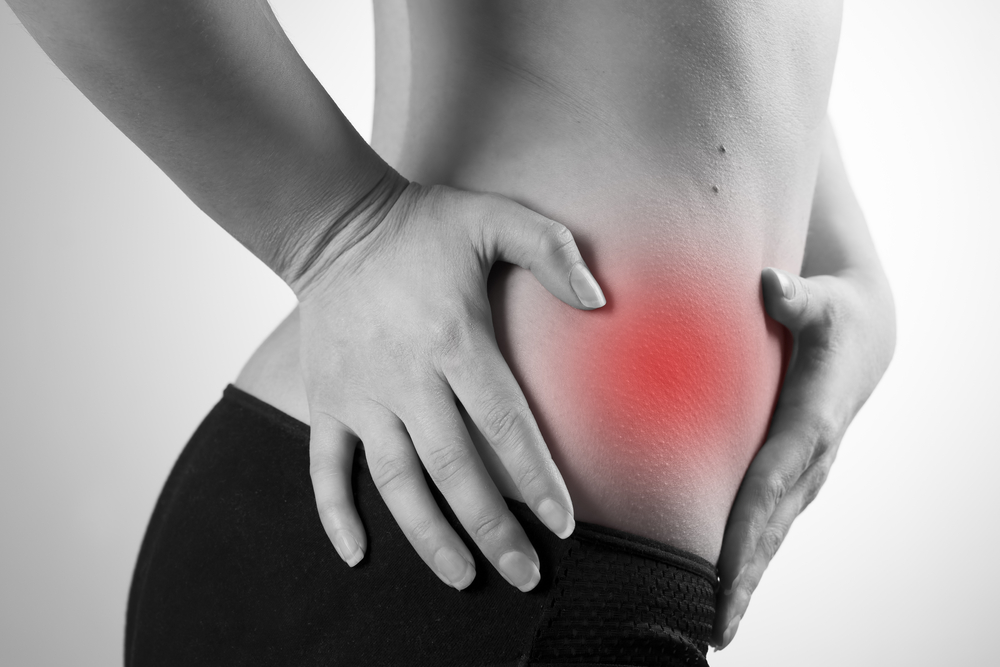
It’s important to note that appendicitis can be a cause of stomach pain during pregnancy but it’s relatively rare. This cause refers to the inflammation of the appendix, which is a small pouch-like organ located in your lower right abdomen. It can lead to severe abdominal pain when it becomes infected or blocked, which may require immediate medical attention.
According to the Bangkok Hospital, the bowel is displaced and the appendix gets moved as the uterus grows during pregnancy. However, abdominal pain may not be immediately identified by the abdominal examination. Pain might radiate to the upper side of the abdomen when gestational age increases and the location of the appendix might change.
Urinary tract infection (UTI)
UTIs are relatively common during pregnancy because of the anatomical changes and hormonal changes that occur in the urinary tract. When stomach pain is associated with UTI during pregnancy, you can experience intermittent or persistent pain or even discomfort in your lower abdomen. Pelvic discomfort is also evident when the pain is localized in the pelvic area, resulting in a cramp-like feeling. You may even feel the constant need to go to the bathroom to urinate.
Moreover, your urine can impose a strong color, may appear cloudy, and have blood traces. A low-grade fever can show up if you have UTI due to stomach pain during pregnancy. If you’re experiencing these complications or causes, it’s crucial to contact your doctor immediately to avoid severe complications. They’ll determine the appropriate course of treatment once they perform a urine test to confirm the diagnosis.
Round ligament pain
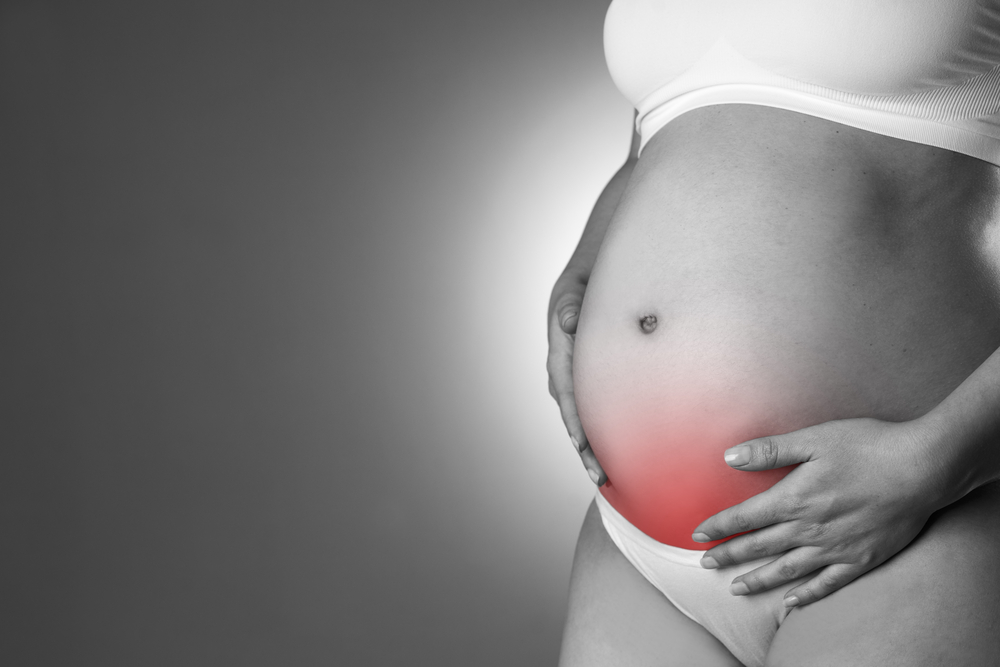
This is one of the most common causes of stomach pain during pregnancy. The round ligaments support the uterus in the pelvis by being bands of tissue. These ligaments stretch and can sometimes cause pain or discomfort as the uterus expands and grows during pregnancy. When stomach pain is associated with round ligament pain, the pain is often described as a stabbing or sharp sensation in the groin area or lower abdomen.
According to Cleveland Clinic, these pregnancy cramps often occur as the uterus and surrounding ligaments stretch during the second trimester. Once you experience this, you may want to avoid sudden movements, but rest and yoga exercises are always a big help. Moreover, you can also wear supportive maternity belts or clothing that provide gentle support to the abdomen to decrease discomfort.
Gas and bloating

Physical and hormonal changes in the digestive system can contribute to increased gas production and slower digestion, leading to abdominal pain and discomfort. When stomach pain is associated with gas and bloating during pregnancy, your abdomen may feel tight, distended, and swollen due to excess gas trapped in the digestive system. You may even find yourself passing gas or burping more frequently than usual.
According to Medical News Today, raised levels of estrogen can cause the body to preserve gas and water. This can eventually cause pain and discomfort in the abdomen. However, you can manage gas and bloating as a cause of stomach pain during pregnancy. Opt for smaller and more frequent meals rather than large ones to prevent excessive gas buildup. Make sure to avoid gas-producing foods such as cabbage, beans, onions, broccoli, and carbonated beverages to reduce gas and bloating.
Constipation
Along with the pressure of the growing uterus on the intestines, hormonal pain can slow down the digestive system. This can lead to difficulty passing stool and resulting in constipation. When stomach pain is associated with constipation, you can experience abdominal cramping or discomfort in the lower abdomen. Moreover, the abdomen may feel full, uncomfortable, and swollen.
Healthline believes that constipation has always been a common complaint among pregnant women. Lack of exercise, fluctuating hormones, diets that are short on fiber or fluids, and general anxiety can all result in constipation. To alleviate stomach pain and manage constipation, you can always increase your fiber intake. Consume a diet rich in fiber, which includes whole grains, fruits, vegetables, and legumes. These foods can promote regular bowel movements.
Braxton Hicks contractions
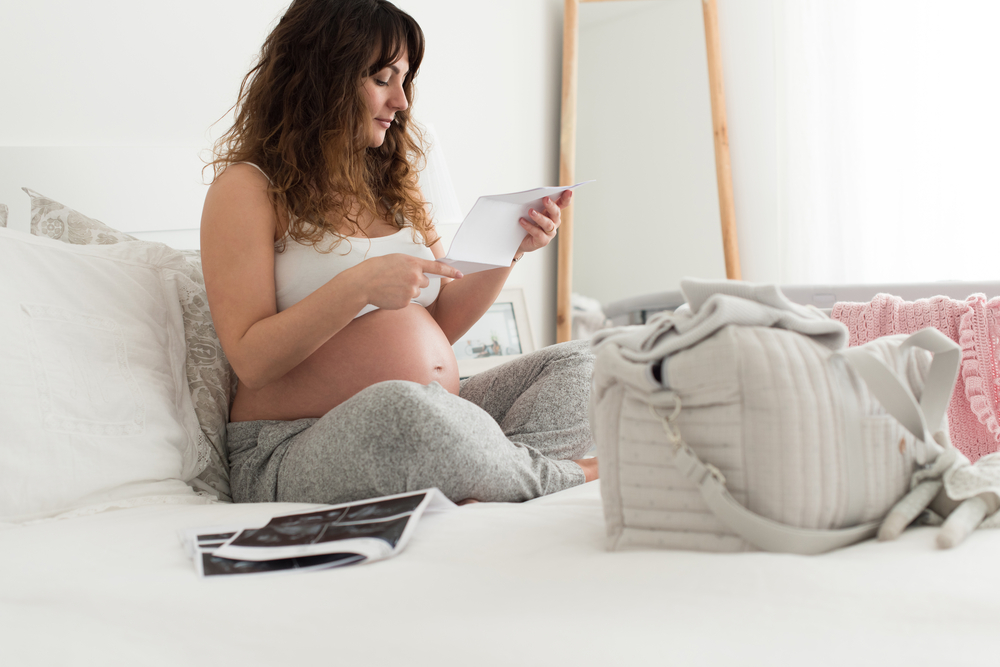
Also known as practice contractions, these are considered a normal part of pregnancy. They’re irregular and sporadic contradictions of the uterus that can occur from the second trimester onward. You may feel your uterus hardening or tightening in the abdominal area. Braxton Hicks contractions usually cause mild pain or discomfort. This may feel like a pressure or squeezing sensation in the abdomen.
According to the National Institutes of Health, Braxton Hicks contractions don’t indicate that the labor has started, but they are the body’s way of preparing for true labor. Most pregnant patients often seek care and undergo unnecessary evaluation for these contractions, which is why they must be educated and know the role of this cause in the process of labor.
Gastric reflux
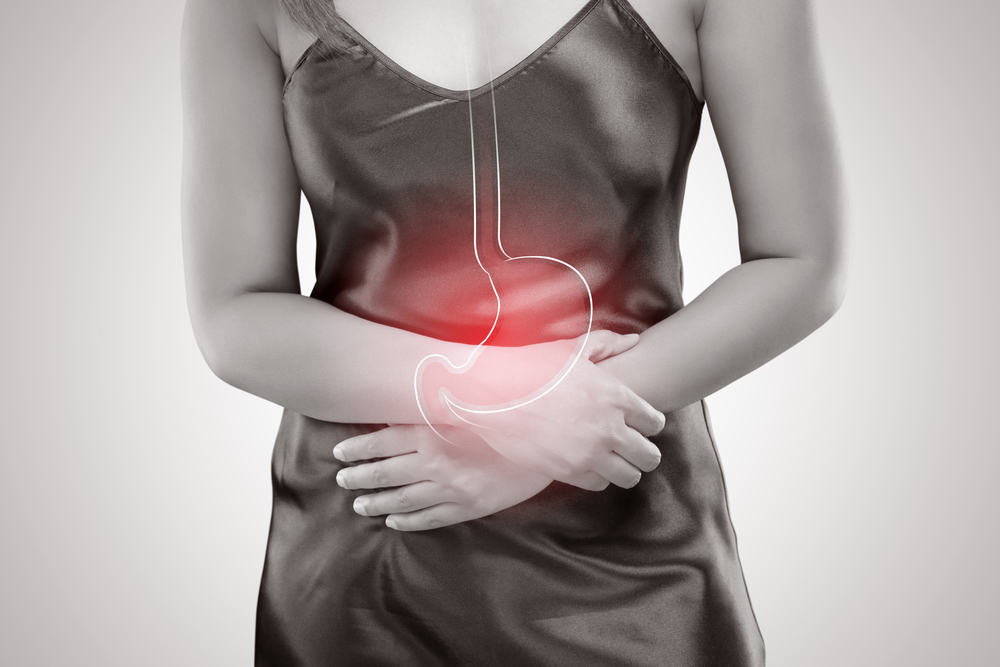
Also known as acid reflux or gastroesophageal reflux disease (GERD), this can be a common cause of stomach pain during pregnancy. Along with the pressure exerted by the growing uterus on the stomach, hormonal changes can contribute to the relaxation of the lower esophageal sphincter. This allows stomach acid to flow back into the esophagus, leading to acid reflux symptoms. You can experience discomfort or burning sensation in the chest area or upper abdomen, which is commonly referred to as heartburn.
Moreover, you may have an acidic or sour taste in your mouth. You may experience the sensation of food or stomach acid coming back to your mouth or throat. Dysphagia can also be evident when gastric reflux is associated with stomach pain during pregnancy. This refers to the sensation of food getting stuck or when there’s difficulty swallowing.