Surrounding skin changes
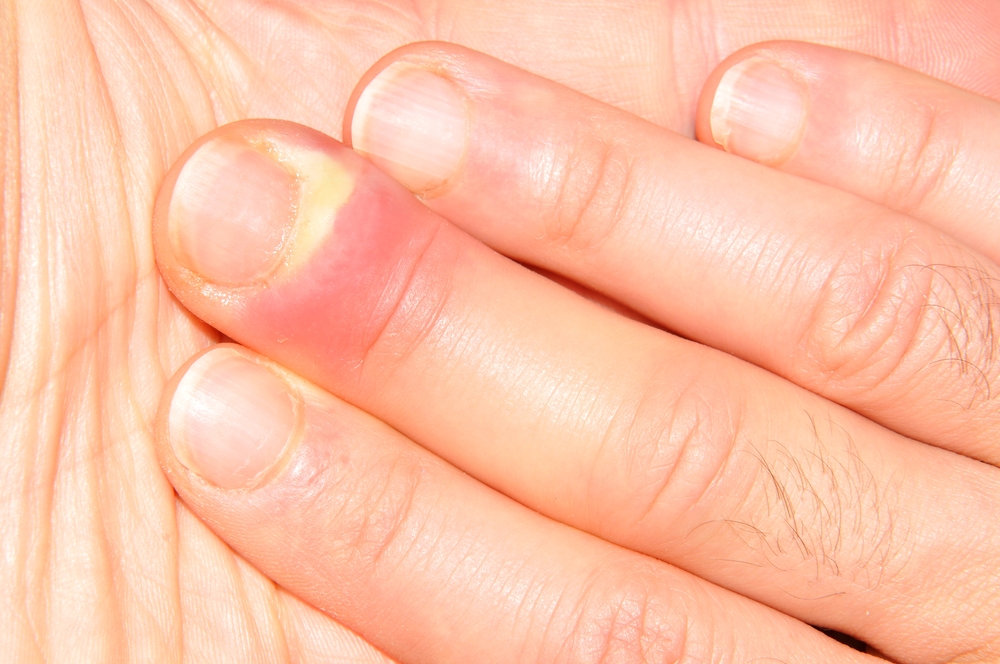
The impact of the development of a nail fungus infection can lead to various skin-related symptoms. Your skin around the infected nail may become flushed or red. Due to inflammation, it can cause the surrounding to appear puffy and swollen. You may often find yourself itching in the surrounding skin due to a fungal infection.
Moreover, it may also be possible that the skin near the infected nail may start to peel or become scaly. Your skin can appear rough or flaky, which can become excessively dry. It will also be uncomfortable or painful when your skin starts to crack or develop small fissures. Some individuals can experience mild pain or discomfort in the area around the infected nail.
Irregularity of the white part of the nail
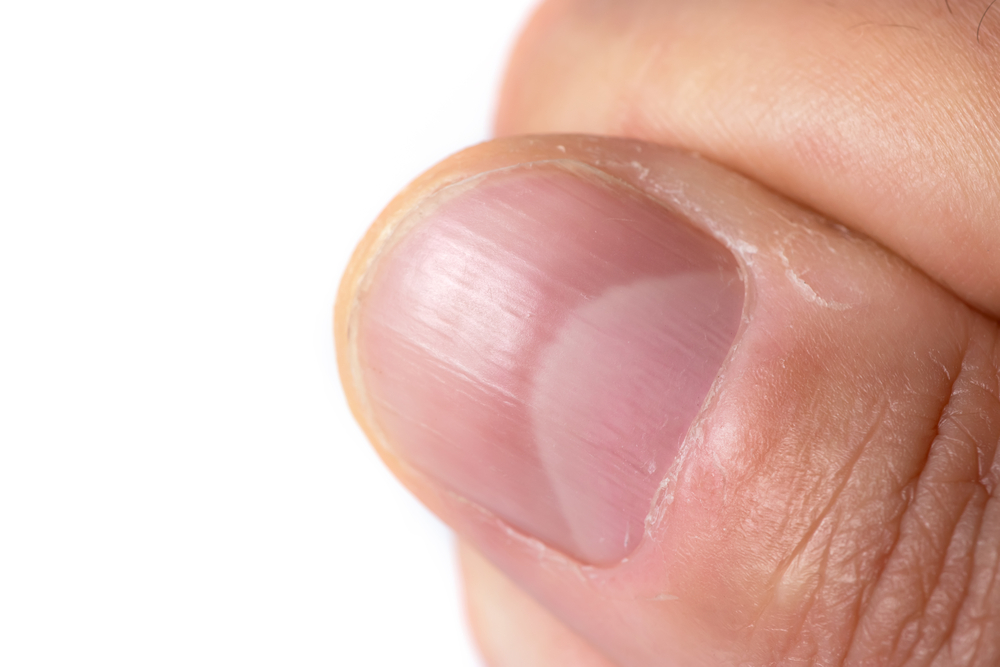
“Lunula” is an area that refers to the white part of the nail. Irregularity of the white part of the nail can be a common symptom of nail fungus. This irregularity may manifest as abnormalities or changes in the lunula’s appearance in the case of nail fungus. But it’s still important to remember not to depend on the irregularity of the lunula as a definitive sign of nail fungus. This is because the existence of nail fungus is also present in other conditions.
Some of the potential causes of irregularities in the white part of the nail can include nail trauma, where trauma or injuries can lead to changes in the appearance of the lunula. You can experience a disrupted pattern or a distorted nail shape. Regarding nutritional deficiencies, minerals or iron or zinc can lead to changes in the lunula and impact nail health. Moreover, a chronic autoimmune skin condition called psoriasis can cause irregularities in the lunula and affect the nails, along with other nail symptoms.
Debris under the nail
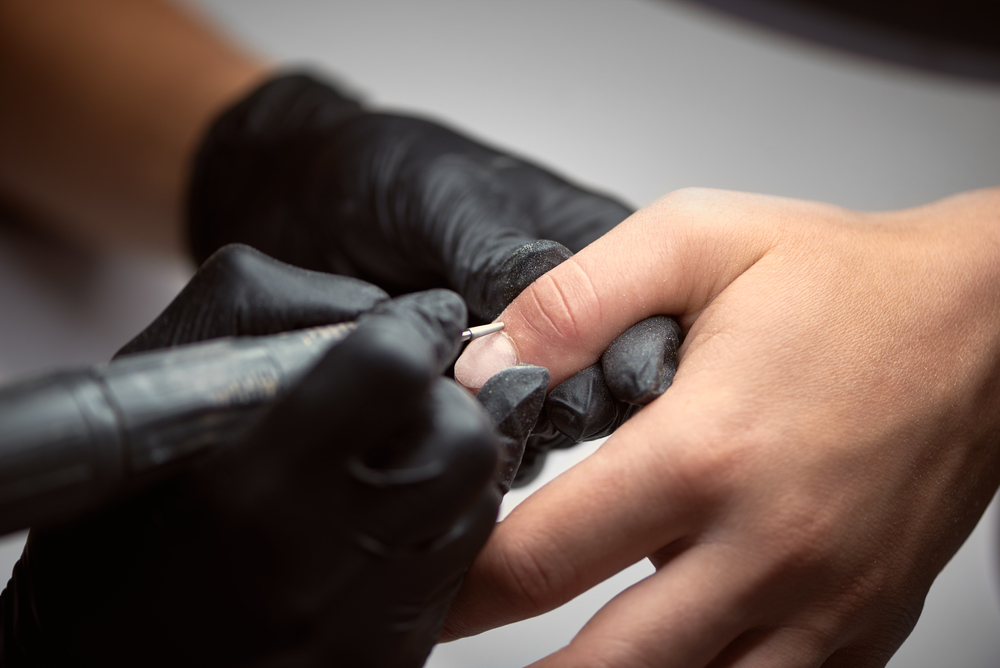
Changes in the structure and integrity of the nail can be evident as the fungal infection progresses. This can lead to the accumulation of debris under the affected nail. This debris may contain nail fragments, dead skin cells, fungal elements, and other organic matter. Mayo Clinic suggests a diagnosis that your healthcare provider will examine your nails and maybe scrape debris from under your nail or take clippings. These samples are delivered to a lab to identify the cause of your symptoms.
The debris buildup can result from a foul odor since the debris under the nail is combined with the presence of fungal elements. Your nail may start to show a yellow or darker color because of the accumulation of debris. The fungal infection can also cause the nail to become distorted and thicker, creating more space for debris to accumulate.
Nail separation
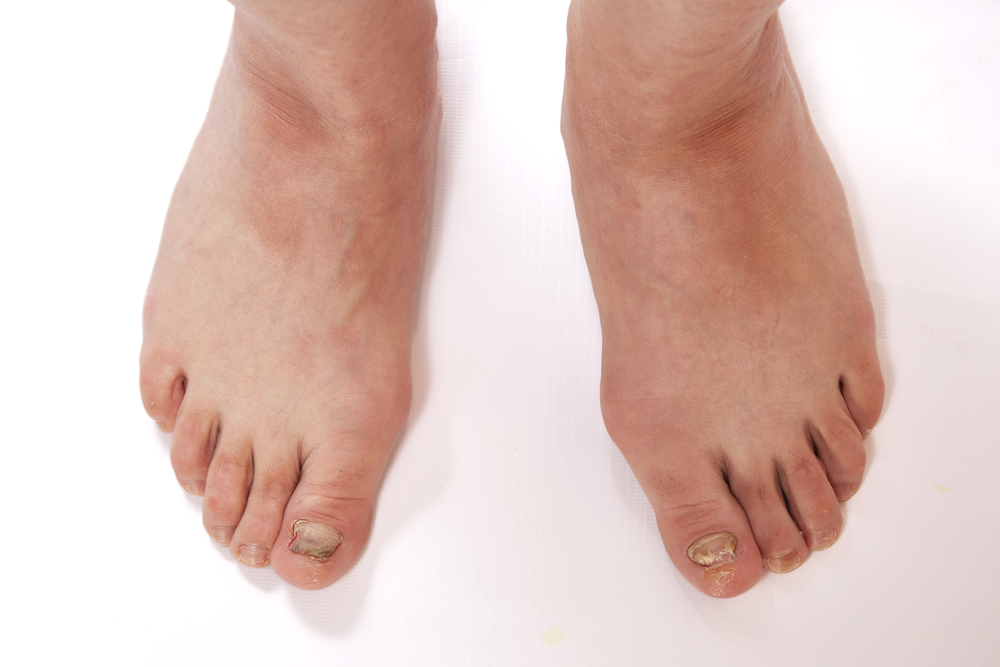
When there’s a gap between the nail and the underlying skin, this is due to the affected nail that’s separated from the nail bed as the fungal infection progresses. This separation may involve a portion of the nail or the entire nail. In the context of nail fungus, nail separation can be present when the area may appear yellowish or white, indicating the presence of debris or fungal elements within the gap.
On the other hand, onycholysis is the term that’s used when your nail separates from its nail bed. Other than fungi being a cause, it often appears after an injury to your nail. Onycholysis generally lasts for several months or over a year. This condition can affect anybody, specifically people who are assigned female at birth, people who have lichen planus, psoriasis, and tumors in their nail beds, and adults.
Discolored nails
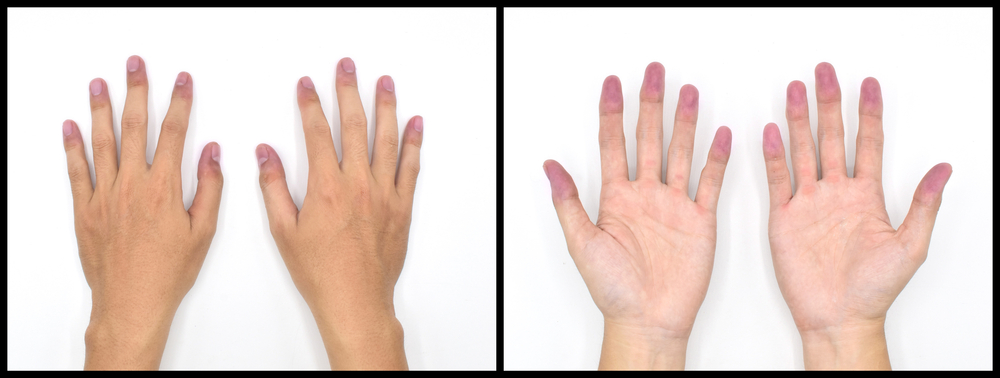
Discolored nails are one of the most common symptoms of nail fungus. The yellow discoloration can start at the tip or edges of the nail and gradually spread towards the nail bed. Your infected nail may exhibit a dark or brownish color in some cases. This discoloration can range from light brown to deep brown or even black. Additionally, certain types of fungi can cause your nail to develop a green or bluish-green coloration. Despite being relatively uncommon, it can occur in advanced or severe nail fungus conditions.
It’s important to note that poor hygiene, living in a humid area, and dirt are all causes of fungal infection in your toenails. However, it may be natural for nail discoloration to occur as you age. Your fingernails and toenails may start to turn a light shade of yellow. Which is why it’s safe to say that nail discoloration is a normal part of the aging process.
Nail pain

Due to fungal infection, it can cause the affected nail to become thicker than its usual condition. The thickening is usually gradual, but it can be more pronounced in more severe stages of the infection. As a result, it may be difficult for the nail to maintain its normal shape or to properly trim. On the other hand, when pressure is applied to the affected nail or when you’re wearing shoes, nail fungus can cause discomfort or pain.
However, it’s important to remember that other factors like nail psoriasis, trauma, and other nail conditions can also cause pain and nail thickening. Which is why it’s important to consult a dermatologist or a healthcare professional for an accurate diagnosis and effective treatment.
Brittle or crumbly nails
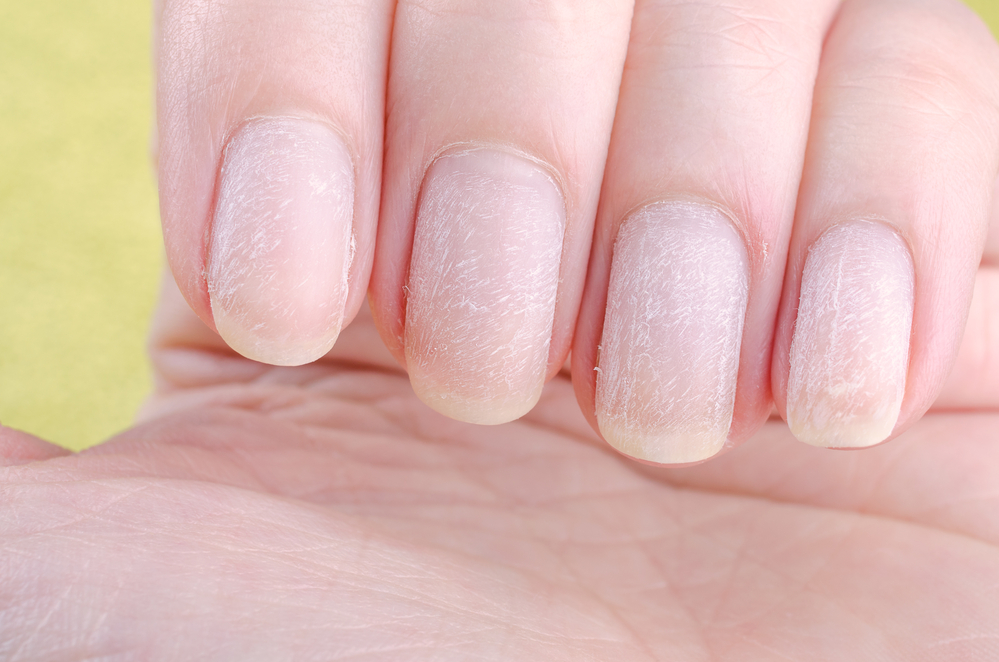
If you’re in the process of developing a nail fungus, your nail becomes brittle, and pieces can break off. Sometimes the whole nail lifts off. As a result, you may experience pain and swelling in the skin around the nail. Thomas Podiatry & Associates states that brittle nails can have an unusual or ragged texture and even crumble.
As a result, this can cause uneven nail growth and pits in the nails. It’s essential to make an appointment if you notice signs of crumbly, ragged, and brittle nails to have your toes checked and examined by a medical professional. Other nail fungus symptoms like thickening, nail bed separation, and discoloration often accompany bitter and crumbly nails.
Thickened nails

The accumulation and overgrowth of fungal elements within the nail plate can occur due to fungal infection. This can make your nail thicker and appear bulkier than its usual structure. Moreover, the nail thickening is more evident at the edges or tip of the nail. It will require more effort or specialized tools to properly trim or cut your thickened nails.
On the other hand, thick toenails happen when yeast or fungus enters your toenail. They enter when your nail and toenail bed meet, in a crack in your toenail and a cut in your skin that touches your toenail. Despite the infection being initially minor, it can spread through time and cause your toenail to grow thicker.
Foul odor of the nails
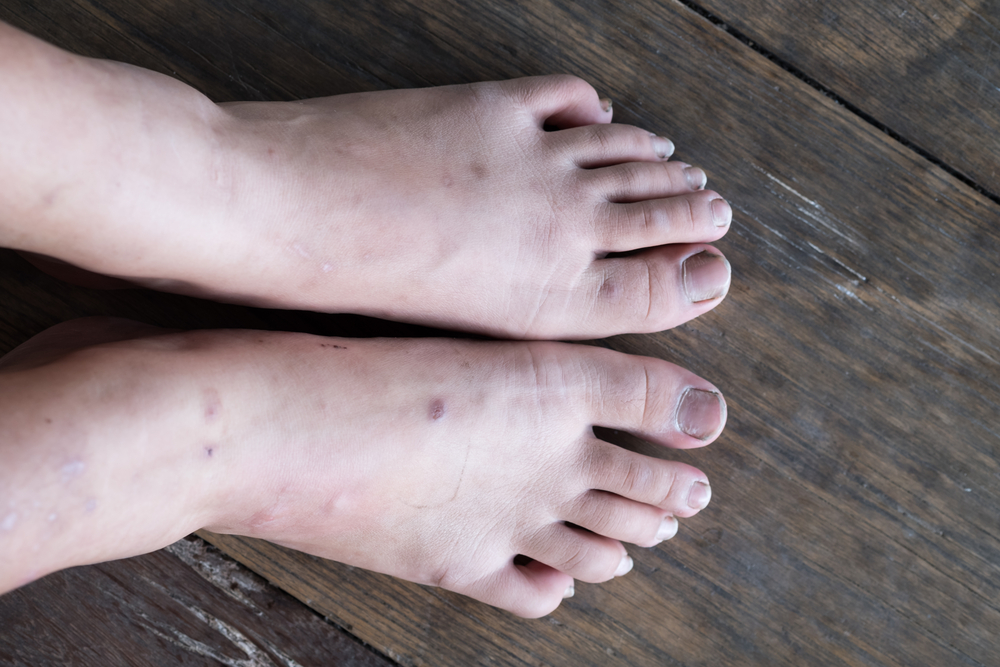
Fungal infection can create an environment favorable to bacterial growth, contributing to the development of an unpleasant odor. Dead skin cells, the accumulation of debris, and fungal elements can present an unpleasant odor when the nails are infected with fungus. The odor is usually described as a musty, pungent, or strong smell.
If you’ve ever been brave enough to scrape much from underneath the nail, fungal nails can give off an offensive smell. The foul odor is commonly connected with severe or advanced cases of nail fungus. It can be evident when the affected nails are covered in socks, shoes, or in a moist environment.