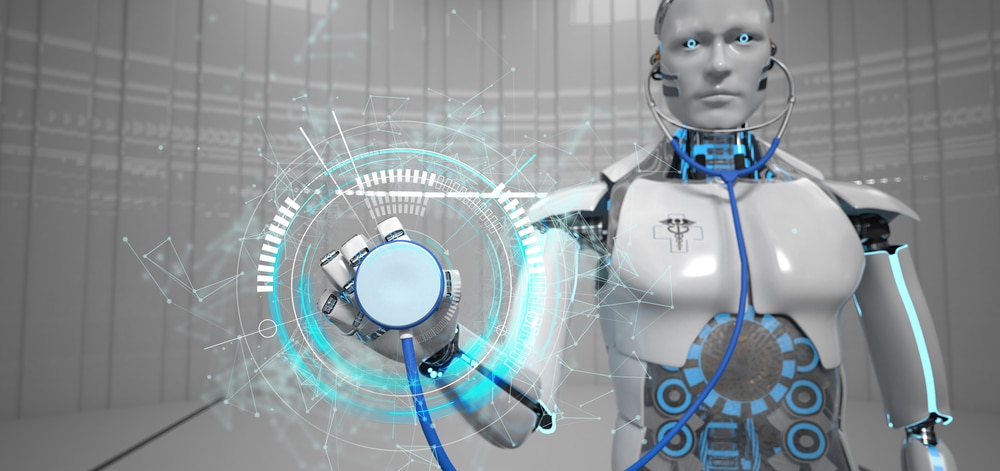
Diagnositcs
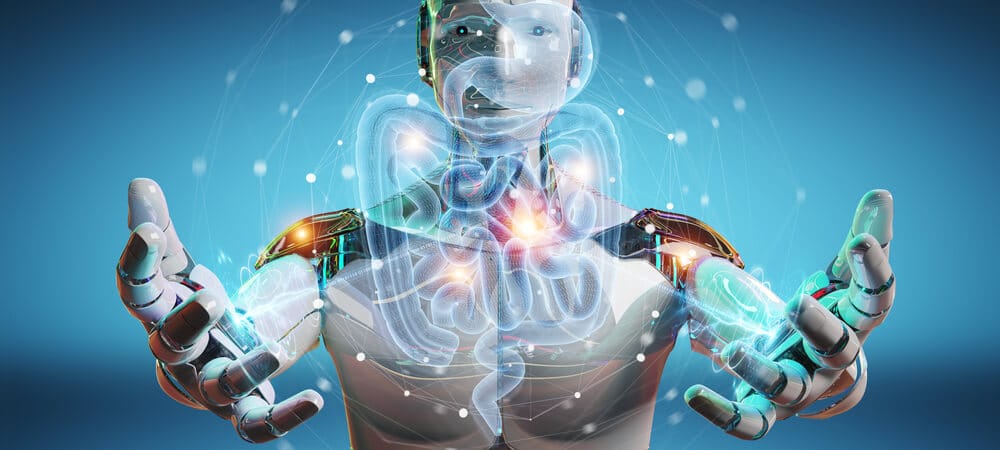
One of the most promising applications of AI in healthcare is in diagnostics. Traditionally, doctors have relied on a patient’s symptoms and medical history to diagnose illnesses, but with the help of AI, this process could be vastly improved.
AI-powered diagnostic tools have the ability to analyze vast amounts of medical data in seconds, allowing for faster and more accurate diagnoses. These tools can identify patterns in symptoms and medical history that human doctors might miss, leading to more precise diagnoses and personalized treatment plans.
One example of an AI-powered diagnostic tool is IBM Watson for Oncology, which can analyze patient data to recommend personalized treatment plans for cancer patients. The tool has been shown to improve treatment recommendations and increase the accuracy of diagnoses.
As AI continues to evolve, we can expect to see even more advanced diagnostic tools that are capable of analyzing medical imaging and even predicting diseases before they occur. With faster and more accurate diagnoses, patients can receive treatment earlier, leading to better health outcomes and a lower cost of care.
Personalized Medicine
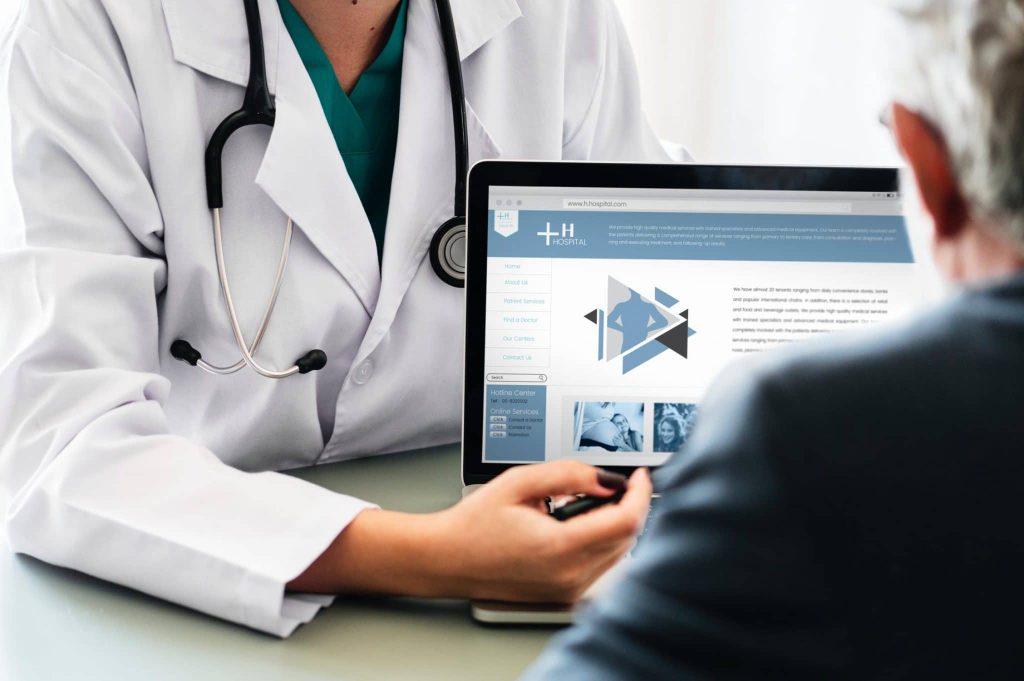
Personalized medicine, also known as precision medicine, is an approach to healthcare that takes into account a patient’s individual genetic, environmental, and lifestyle factors to tailor treatment plans that are specific to their needs. Artificial intelligence is poised to revolutionize this field, allowing healthcare providers to identify genetic and biomarker patterns in patients that were previously impossible to discern.
With AI, personalized medicine is becoming increasingly accessible, faster, and more accurate. Algorithms can quickly analyze large data sets to identify trends and patterns that help predict the effectiveness of certain treatments for specific patients. This can help providers create a personalized treatment plan that will be most effective for each patient based on their unique medical history, genetic profile, and other factors.
In addition, AI technology can also be used to help monitor patients’ health status and detect any changes in their condition that may require adjustment of their treatment plan. This can be particularly helpful for patients with chronic conditions, such as diabetes, cancer, or heart disease. With real-time monitoring and data analysis, AI can help healthcare providers identify warning signs and provide timely interventions that can prevent serious complications or hospitalizations.
Overall, AI technology has the potential to transform the field of personalized medicine and help healthcare providers create individualized treatment plans that are both more effective and efficient. As more and more data becomes available, AI algorithms will continue to improve and refine, leading to even more accurate and personalized treatment plans for patients.
Drug Development
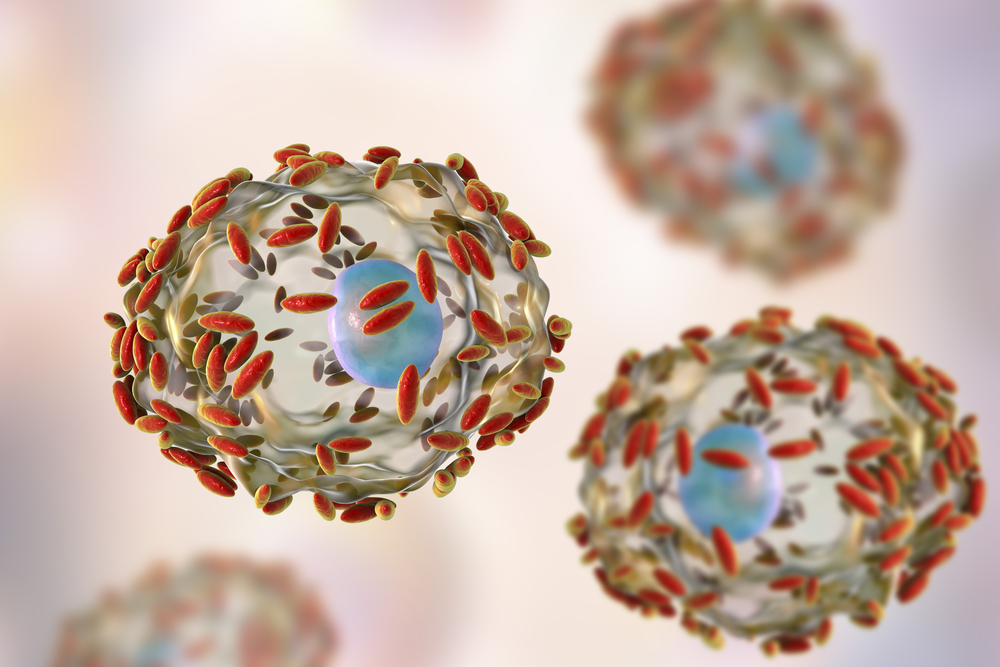
Drug development is a crucial process in healthcare, as it involves the creation and testing of new medications that can help prevent, treat, or cure diseases. With the help of artificial intelligence (AI), the drug development process is becoming faster and more efficient, allowing for the creation of more effective and safe medications.
One of the ways AI is impacting drug development is through the use of machine learning algorithms to identify new drug targets. This involves analyzing large amounts of biological data to identify genes or proteins that are associated with specific diseases. Once a potential target is identified, AI can be used to design new molecules that interact with the target and have the potential to become effective drugs.
AI is also being used to streamline the clinical trial process, which is the stage of drug development where the medication is tested on human volunteers. By analyzing patient data from electronic health records and other sources, AI can identify individuals who are likely to respond well to the medication, reducing the need for large and costly clinical trials. This approach also increases the chances of success, as the medication is tested on patients who are most likely to benefit from it.
Overall, AI is transforming the drug development process by allowing researchers to quickly and accurately identify new drug targets and design molecules that interact with them. By streamlining the clinical trial process and identifying the patients who are most likely to benefit from the medication, AI is also making drug development more cost-effective and increasing the chances of success. As these technologies continue to advance, the future of drug development is looking brighter than ever before.
Surgery

AI can provide surgeons with real-time guidance during complex procedures, helping them make more informed decisions and reduce the risk of errors.
For instance, during laparoscopic surgery, AI algorithms can help identify blood vessels and organs, assisting surgeons in navigating the internal anatomy with greater accuracy. Moreover, machine learning algorithms can predict potential complications during surgery and provide a risk assessment to the surgeon beforehand, enabling them to take necessary precautions and minimize complications.
In addition to this, AI can also improve surgical outcomes by streamlining post-operative care. Machine learning algorithms can monitor patient health data and provide early warnings of any potential complications, allowing healthcare professionals to intervene quickly and prevent complications before they become more severe. AI can also help in identifying patterns and trends in patient outcomes, allowing doctors to adjust treatment protocols for improved outcomes. With AI, surgeries can be performed more accurately and with fewer complications, resulting in better outcomes for patients and a more efficient healthcare system.
Patient Care

AI has the potential to significantly improve patient care in the healthcare industry. By utilizing predictive analytics and machine learning, healthcare providers can identify at-risk patients and proactively intervene to prevent complications and improve outcomes. AI-powered algorithms can also analyze patient data in real-time to identify changes in their condition and alert healthcare providers of potential issues before they become more serious.
One way AI is already being used in patient care is through chatbots and virtual assistants. These tools can provide patients with immediate access to information and resources, answer basic health-related questions, and even triage symptoms to determine if a patient needs urgent medical attention. This can save time and reduce the workload of healthcare professionals, while still providing patients with quality care and support.
AI is also being used to improve the accuracy of patient monitoring and medication management. Wearable devices can track patients’ vital signs and alert healthcare providers of any significant changes, while AI-powered medication management systems can help reduce errors and ensure patients are taking their medications as prescribed. By improving patient monitoring and medication adherence, healthcare providers can reduce the risk of complications and readmissions, leading to better outcomes for patients.