Cough suppressants

This can help decrease your urge to cough. If a dry cough is causing your pain, a cough suppressant may help. Your doctor may prescribe you a codeine-based cough syrup to control an exacerbating pain you can get from coughing. Dextromethorphan and codeine can be found in cough suppressants that are over-the-counter medications, and they function by suppressing the cough reflex.
But suppressing the cough can hinder the clearance of mucus and potentially lead to its accumulation in the airways when it acts counterproductive in pleurisy cases. The focus of treating pleurisy in general aims to promote healing of the inflamed pleural membranes and to manage inflammation and pain. It’s important to note that the cough itself is a natural reflex aimed at removing any excess mucus or irritants and cleaning the airways.
Pulmonary rehabilitation
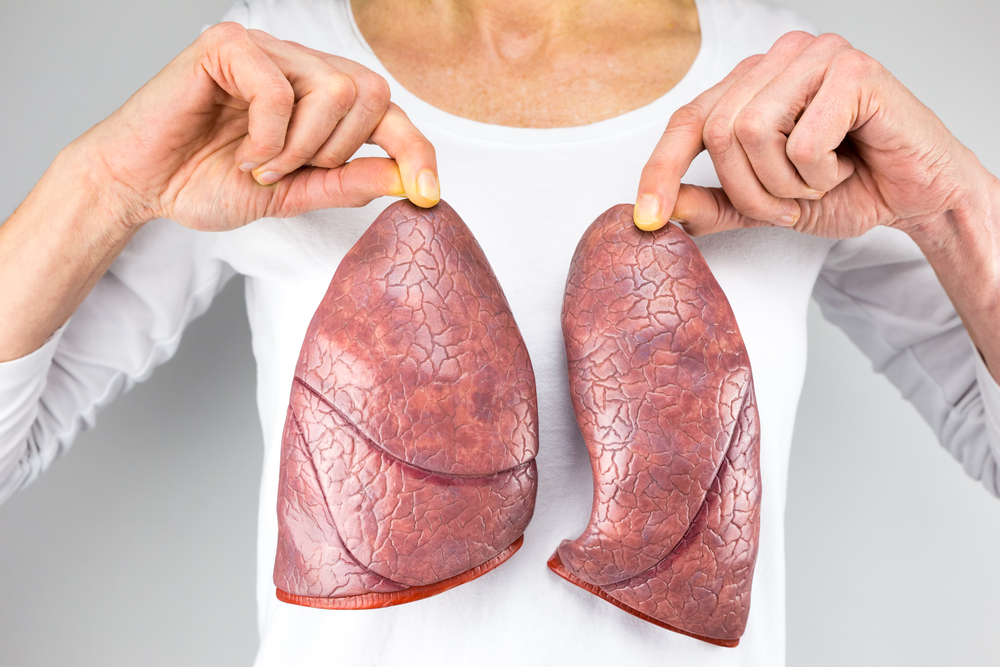
While pulmonary rehabilitation isn’t considered as a direct treatment for pleurisy, it can still be beneficial if you’re experiencing prolonged or severe symptoms of the condition. This treatment is a comprehensive program designed to promote the overall functioning of individuals with chronic lung conditions and respiratory health. This involves a combination of exercises such as support to optimize lung function, breathing techniques and enhance quality of life and education.
Pulmonary rehabilitation plays a crucial role in the recovery process if you have pleurisy in terms of improving lung capacity, enhancing exercise tolerance, and strengthening respiratory muscles. It may also help you to provide strategies to cope with the impact of pleurisy in everyday life and to manage persistent symptoms like shortness of breath. Aside from pleurisy, based on a study published by the National Library of Medicine, comprehensive pulmonary rehabilitation therapy is conductive. This therapy works well in improving the blood gas indexes and pulmonary functions of patients with severe pneumonia during mechanical ventilation.
Corticosteroids

When you have pleurisy associated with severe inflammation or underlying autoimmune conditions, corticosteroids may be used as a treatment. These are strong anti-inflammatory medications that can help alleviate symptoms and reduce inflammation in the pleural membranes. Your doctor may prescribe you corticosteroids to control the inflammation and manage the underlying condition when pleurisy is caused by lupus or rheumatoid arthritis as an autoimmune disorder. These medications are effective in suppressing the immune system’s response and reducing inflammation throughout the body; this includes pleura.
A 1988 study published by the National Library of Medicine shows the effectiveness of corticosteroids in treating tuberculous pleurisy. In conjunction with antituberculosis therapy, the researchers concluded that administering corticosteroids could resolve the clinical symptoms more quickly and hasten the absorption of pleural effusion in patients with tuberculous pleurisy. With that being said, corticosteroids are generally reserved when other treatments have been ineffective or for more severe cases of pleurisy.
Immunosuppressants
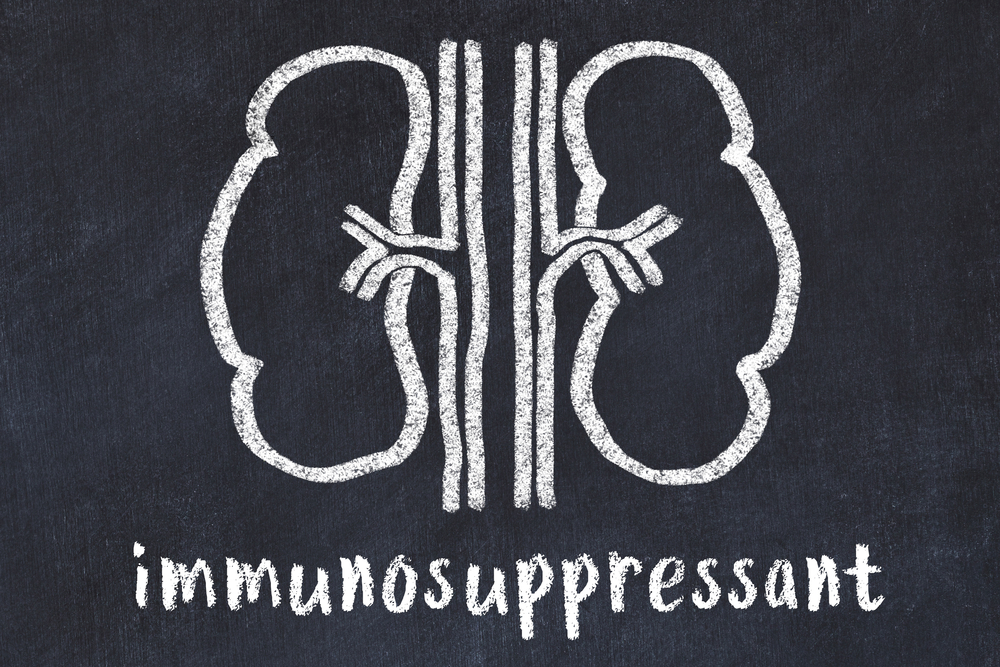
Immunosuppressants are used in cases where pleurisy is associated with underlying systemic inflammation and autoimmune conditions. Sometimes, pleurisy occurs as a manifestation of autoimmune disorders like rheumatoid arthritis or systemic lupus erythematosus. The immune system mistakenly attacks the body’s own tissues in these cases, including the immunosuppressant medications and pleural membranes. Immune-modulating drugs and corticosteroids are prescribed to reduce inflammation throughout the body, including pleura, and suppress the abnormal immune response.
A 2005 study published by the National Library of Medicine showed the application of immunosuppressant therapy to more severe conditions of pleurisy. The researchers suggested that patients with idiopathic pleural thickening must undergo early thoracoscopic pleural biopsy. Moreover, immunosuppressant therapy can be an effective treatment for patients with idiopathic lymphocytic pleuritis. This research was due to the fact that two male patients have dyspnoea and chest pain, with historical and radiological investigations showing idiopathic lymphocytic pleuritis responded to immunosuppressant therapy with azathioprine or corticosteroids.
Rest and adequate hydration

Having adequate rest and hydration can support the body’s healing process and relieve symptoms. According to the National Jewish Health, getting plenty of rest and avoiding physical activity that may intensify pain or breathing problems is important. Resting can help reduce physical strain and decrease discomfort when it’s associated with the condition.
Allow ample time for sleep to avoid the recovery process, take breaks and avoid strenuous activities. Adequate hydration should never be off the hook when you have pleurisy. Drinking fluids can support the immune system, maintain overall health, and keep the respiratory system functioning optimally. Moreover, Adequate hydration can clear the airways and alleviate coughing by helping thin mucus secretions.
Pain relief

To provide pain relief and reduce inflammation in cases of pleurisy, nonsteroidal anti-inflammatory drugs (NSAIDs) are commonly used. Your doctor may recommend medications such as aspirin or ibuprofen to reduce pleural membrane swelling and help alleviate chest pain.
Moreover, your doctor may prescribe stronger pain medications for short-term use, such as opioids. This will only be applicable when over-the-counter pain relievers aren’t effective or in more severe cases. These medications can help manage persistent pain. But due to their potential for side effects and dependence, their use is usually limited.
Antibiotics or antivirals

Using antibiotics and antivirals as a treatment for pleurisy depends on its underlying cause. For example, if a bacterial infection like bacterial pneumonia causes pleurisy, your doctor may prescribe you with antibiotics. These can eliminate and target the bacteria that are responsible for infection to resolve pleurisy’s underlying causes. To ensure the infection is effectively treated, it’s essential to take antibiotics as prescribed and complete the entire course of treatment.
On the other hand, antiviral medications may be considered in cases where pleurisy is associated with a viral infection like respiratory syncytial virus (RSV) or influenza. Antivirals function to inhibit the replication and growth of viruses, reducing the duration and severity of the viral infection. But antiviral medications are more commonly prescribed for specific viral infections, and their effectiveness may vary depending on your or someone else’s situation.
Pleural fluid drainage
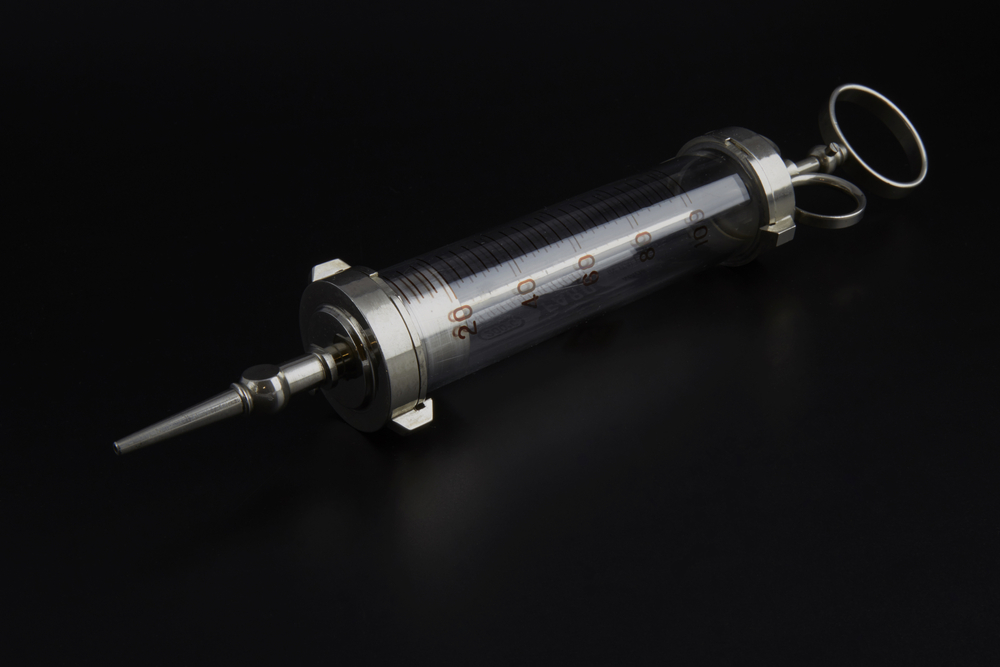
Also known as pleural tap or thoracentesis, pleural fluid drainage can be a beneficial treatment option for pleurisy in some cases. A result of pleurisy may occur due to pleural fluid accumulation or pleural effusion, which can cause significant discomfort and respiratory symptoms. Thoracentesis is a procedure in which a catheter or needle is inserted through the chest wall and into the pleural space to drain the fluid that’s accumulated. It can help relieve symptoms such as chest pain and shortness of breath by reducing the pressure on the lungs and removing excess fluid.
Performing thoracentesis is due to several reasons, including the underlying cause, individual patient considerations, severity of symptoms, and the size of the pleural effusion. It’s usually performed by an interventional radiologist or pulmonologist using imaging guidance like an ultrasound to ensure that the catheter or needle is accurately placed.
Addressing the underlying cause

Doctors treat pleurisy by addressing the underlying cause, according to Medical News Today. This is because pleurisy is caused by a viral infection that often diminishes without treatment. Doctors may also recommend ways to relieve shoulder and chest pain. Your doctor will prescribe antibiotics to eliminate bacteria if a bacterial infection causes the condition.
When pleurisy is associated with lupus or rheumatoid arthritis as an autoimmune disorder, a medical professional may use corticosteroids or other immunosuppressant medications to reduce inflammation and suppress the immune system. Moreover, when pleurisy results from a blood clot in the lung (pulmonary embolism), it requires anticoagulant medications such as blood thinners to prevent the clot from getting larger.
Maintain a healthy weight

According to the National Jewish Health, eating a healthy diet and a balanced diet can reduce severe symptoms of pleurisy. Eat plenty of vegetables, lean protein, and fruits. Maintain a healthy weight by limiting sugar, alcohol, and fat. It’s important to keep in mind that healthy eating should be prioritized during and after treatment. The respiratory system can function more efficiently by maintaining a healthy weight.
Decreased lung capacity and reduced lung function are often associated with obesity. Maintaining a healthy weight can aid in alleviating pleurisy symptoms and optimizing lung function. Moreover, regular physical activity to maintain a healthy weight can also reduce systemic inflammation.