Relaxation techniques

This can be an effective treatment for low back pain during pregnancy. Relaxation techniques can reduce stress, muscle tension and promote overall well-being. A study published in the National Library of Medicine shows that progressive muscle relaxation (PMR) therapy can improve quality of life (QOL) and pain in pregnant women with lower back pain when accompanied by music. Some relaxation techniques that can also be beneficial are deep breathing, guided imagery, and mindfulness meditation.
Deep breathing exercises can reduce tension in the lower back and help relax the body. Make sure to take slow, deep breaths through the nose, expand the diaphragm, then exhale slowly through the mouth. To visualize peaceful and calming senses, use guided imagery. You can close your eyes and imagine yourself being present in a serene environment, like a garden or the beach. This visualization can promote relaxation and distract you from pain. Lastly, practice mindfulness meditation to bring awareness to the present moment and reduce stress. Without judgment, focus on your breath, thoughts, and bodily sensations. This will help you manage physical or emotional discomfort associated with the condition.
Transcutaneous electrical nerve stimulation (TENS)
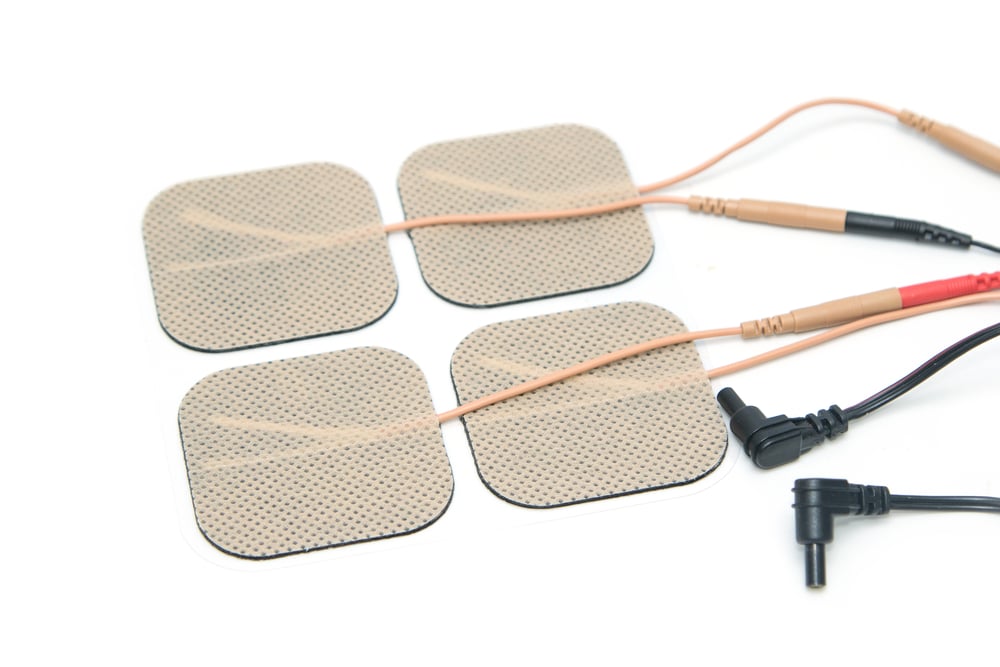
According to Karger Publishers, transcutaneous electrical nerve stimulation (TENS) is a safe and effective treatment for low back pain during pregnancy. This treatment improved the condition more effectively than acetaminophen and exercise. TENS is a non-invasive pain relief technique that uses a small, battery-operated device to deliver electrical impulses to the nerves through electrodes placed on the skin. TENS work when its units provide mild electrical impulses to the nerves in the affected area.
Delivering mild electrical impulses can help reduce pain perception by interfering with signals sent to the brain. The release of endorphins can be promoted by electrical stimulation, which is the body’s natural pain-relieving chemicals. This would provide a sense of relief and well-being. Moreover, TENS can provide a drug-free alternative since pregnant women usually have limited options for pain relief due to safety reasons.
Water therapy

Also known as hydrotherapy or aquatic therapy, water therapy can be a safe and effective treatment option for low back pain during pregnancy. This therapy involves performing movements or exercises in a warm water environment or pool to promote relaxation, improve flexibility, and relieve pain. The buoyancy of water supports the weight of the growing belly and reduces the impact on joints, making it an excellent low-impact option for pregnant women.
According to a study published by Bowling Green State University, a statistically significant decrease in low back pain was found due to the effect of aquatic physiotherapy in an Australian population of pregnant women. This effectiveness was immediately followed by an aquatic physiotherapy session. Despite the significance of water therapy, as proven by the previous study, it’s essential to take note of considerations such as safety, balance, and support, avoiding deep water, and listening to your body.
Gentle stretching

Gentle stretching is a safe and helpful treatment for pregnant women experiencing lower back pain. Stretching can improve flexibility, promote better posture, and help relieve muscle tension correctly. These can alleviate discomfort in the lower back. But it’s still important to stretch gently with caution by following particular guidelines to ensure effectiveness and safety.
Before joining any exercise program or starting any stretching routine during pregnancy, it’s crucial to consult with your doctor. They can provide personalized advice and assess your condition based on your medical history and any potential pregnancy-related complications. Make sure to choose gentle and slow stretching exercises focusing on the surrounding muscles and lower back. Moreover, warm up your body with some light aerobic activity, such as gentle swimming or walking, before stretching to increase muscle blood flow.
Over-the-counter pain relief

You may consider using over-the-counter (OTC) pain relief medications to alleviate discomfort when experiencing low back pain during pregnancy. However, exercising caution by consulting your healthcare provider before taking any medication is essential. This is because some OTC drugs may not be recommended and safe for pregnant women.
Acetaminophen, when used at the recommended dosage, is generally considered safe for pregnant women. It can effectively reduce mild to moderate pain, including lower back pain. But since excessive use can be harmful, it’s essential not to exceed the recommended dose.
Physical activity
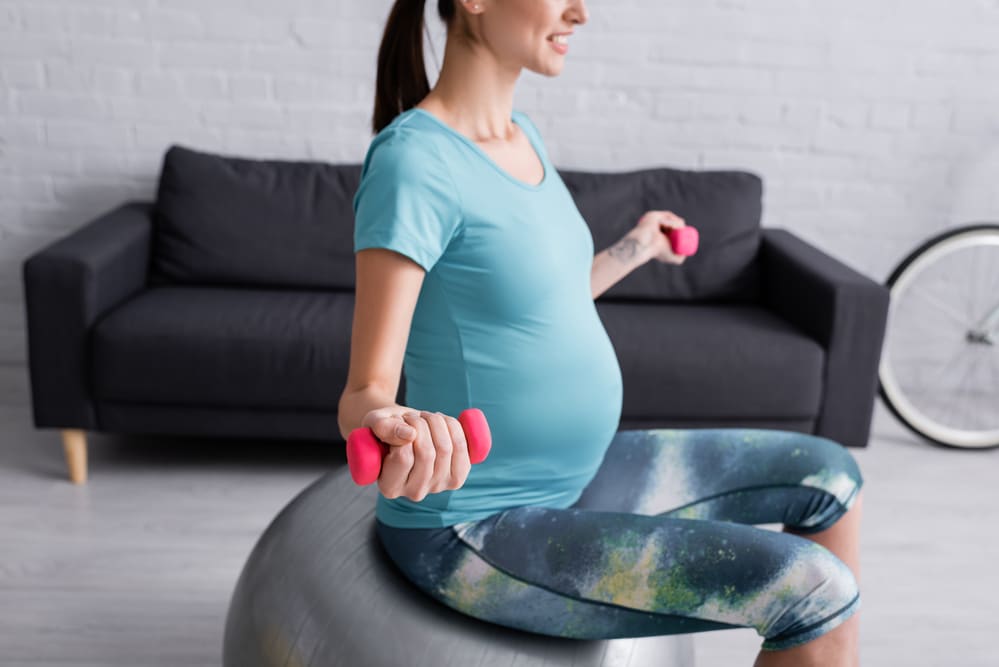
According to an article published in the Journal of Orthopaedic & Sports Physical Therapy, the authors discovered that exercises could limit sick leave, decrease pain, and improve pelvic and pregnancy-related back pain function. Such exercises may include endurance, water aerobics, balance, and general strength training.
However, it’s important to consult with your healthcare provider before starting any exercise program during pregnancy. During physical activity, pay attention to how your body feels. Stop immediately and rest if you experience dizziness, discomfort, or pain. Avoid or modify activities that exacerbate your lower back pain.
Proper posture

Proper posture is an important aspect of preventing and managing low back pain during pregnancy. Maintaining good posture becomes more important to reduce strain on the lower back and promote overall comfort as the body undergoes significant changes to accommodate the growing baby. You can start by standing tall with your shoulders relaxed and avoiding slouching to improve proper posture. To do this, imagine a string pulling the top of your head toward the ceiling.
Saint Luke’s Health System Kansas City recommended some tips in terms of positioning yourself when you experience back pain during pregnancy. To apply good posture, raise your chest and head. Make sure to try to keep your ears lined up over your shoulders. Using your stomach muscles to pull in your stomach reduces the weight in terms of your back’s support.
Prenatal massage
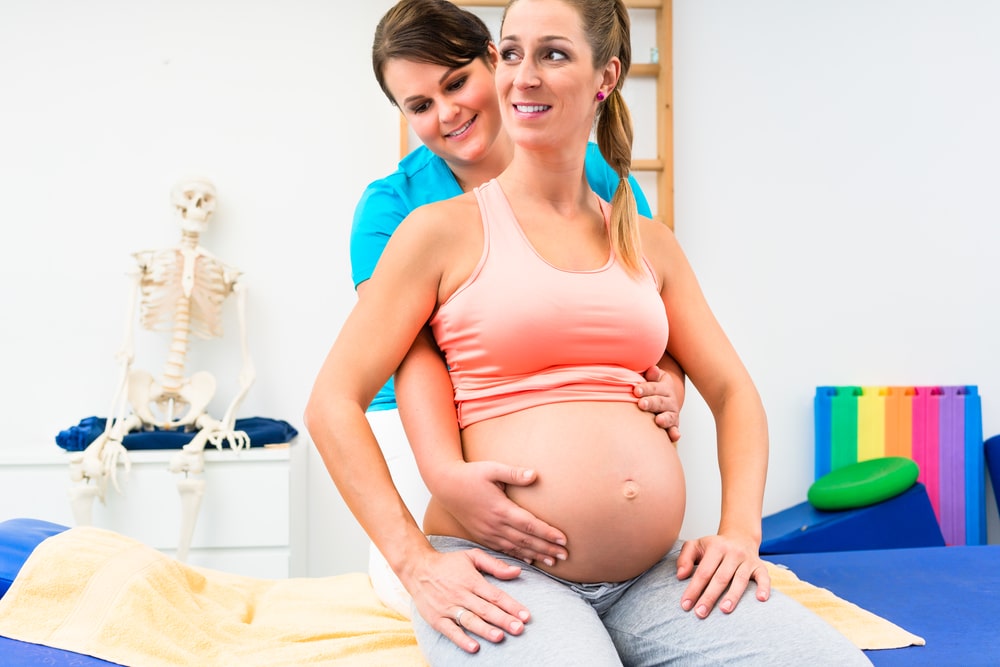
According to Post Natal Massage Singapore, a prenatal massage relieves your cramps, backache, and other pains you may feel. Muscle tension may be the cause of your back pain in pregnancy. A pregnancy massage will lower your stress hormones, effectively relaxing muscle tension. When implementing a prenatal massage, to decrease friction during the massage, make sure to use lotion or massage oil.
It’s important to seek a certified massage therapist who has experience in specialized training in techniques related to prenatal massage. Use supportive pillows for proper body alignment and comfort since prenatal massage is typically performed with the pregnant woman lying on her side. Also, avoid specific pressure points during prenatal massage since they’re believed to stimulate uterine contractions.
Heat and cold therapy

These can be used as treatments for low back pain during pregnancy, depending on individual preferences and the specific nature of the pain. When applying heat therapy, it can increase blood flow, help relax muscles, and provide relief from spasms and muscle tension in the lower back. Use a heating pad (set on low), warm compress, or warm water bottle wrapped in a cloth to apply heat to the painful area.
On the other hand, cold therapy can numb the area to provide temporary pain relief and help reduce inflammation. Use ice wrapped in a cloth or a cold pack and apply it to the lower back. Make sure to do this for 15-20 minutes at a time. Avoid placing ice directly on the skin to prevent skin damage or frostbite, and allow a break between cold therapy sessions.
Pregnancy support belt
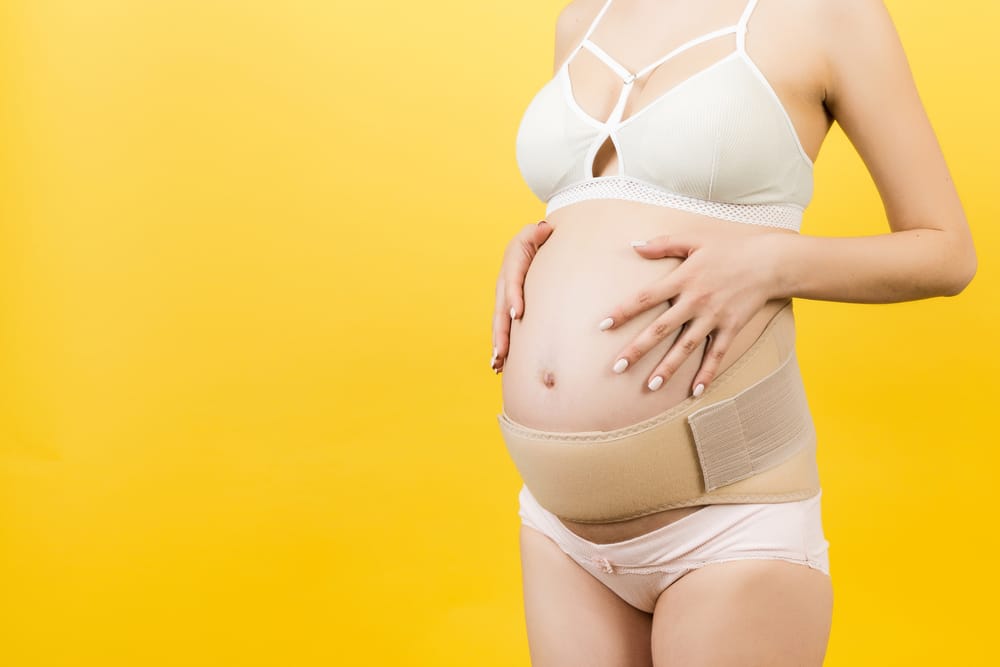
Also known as a belly band or a maternity support belt, a pregnancy support belt can be a helpful treatment for low back pain during pregnancy. It aims to alleviate discomfort in the abdomen, pelvis, and lower back as a specialized garment by distributing the weight of the growing belly more evenly. Pregnancy support belts provide lumbar support for the lower back. This can help reduce strain on the lower back muscles and ligaments.
Furthermore, the belt offers gentle compression to support the abdominal muscles. This can help provide relief from discomfort and alleviate pressure on the lower back. Some pregnancy support belts promote better stability and reduce pelvic pain since they have additional features that support the pelvic area.
Weight management

Excessive weight gain can put additional strain on the lower back, leading to increased discomfort. Therefore, it’s important to anticipate the impact of excessive weight gain despite it being normal and healthy during pregnancy. Within the recommended guidelines, maintaining a healthy weight and managing weight can help reduce the pressure on the lower back.
In terms of weight management, it’s important to focus on consuming a well-balanced diet that includes a variety of whole grains, fruits, healthy fats, vegetables, and lean proteins. Make sure to avoid excessive consumption of processed and sugary foods. Also, drink plenty of water throughout the day to support your health during pregnancy.
Acupuncture

According to a study published in the National Library of Medicine, acupuncture improved quality of life, pain, and functional status significantly in women with low back or pelvic pain during pregnancy. Along with this is the result that acupuncture had no severe adverse influences on infants when discovered through observation. This treatment is administered by an experienced and qualified acupuncturist who is familiar with treating pregnant women.
This traditional Chinese medicine treatment involves inserting thin needles into specific points on the body to promote healing and stimulate energy flow. Therefore, it’s crucial to seek a licensed acupuncturist since prenatal acupuncture requires special knowledge and consideration of the comfort and safety of both the baby and the mother.
Chiropractic care
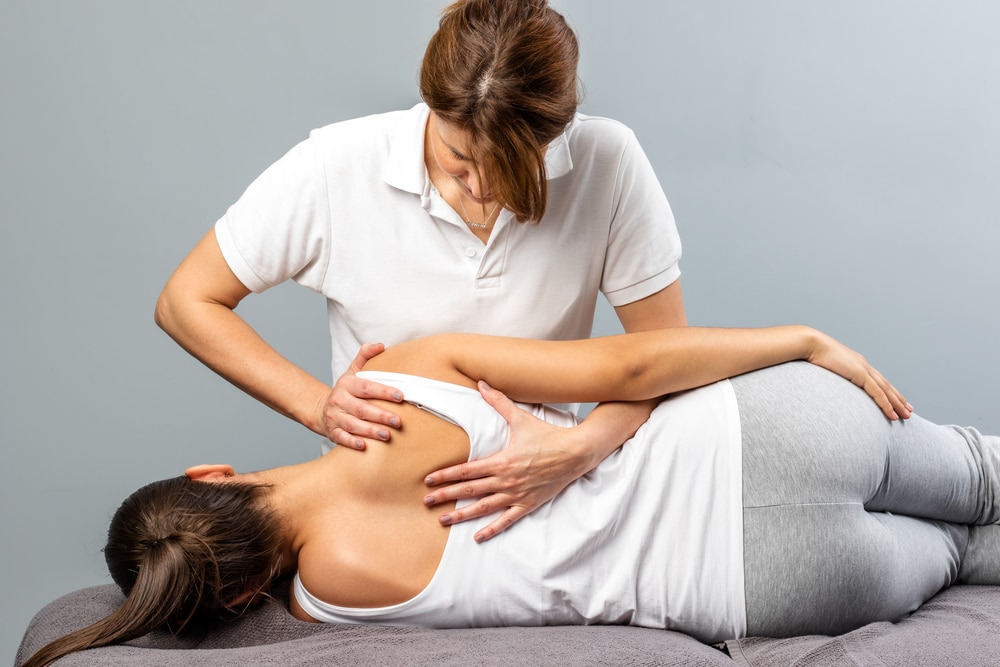
Chiropractic care involves manipulating the musculoskeletal system and spine to address issues like joint restrictions, muscle tension, and misalignments that may contribute to low back pain. According to Arise Family Chiropractic, it was concluded by an extensive review of research surrounding chiropractic that it’s necessary throughout pregnancy. It’s necessary both immediately during and after pregnancy.
Which is why it’s important to choose a chiropractor who is experienced and specifically trained in providing prenatal chiropractic care. They have a deeper understanding of the considerations and needs during pregnancy. Chiropractic care may improve flexibility and joint mobility to enhance overall comfort during pregnancy. However, be cautious in receiving chiropractic adjustments near the abdomen.
Physical therapy
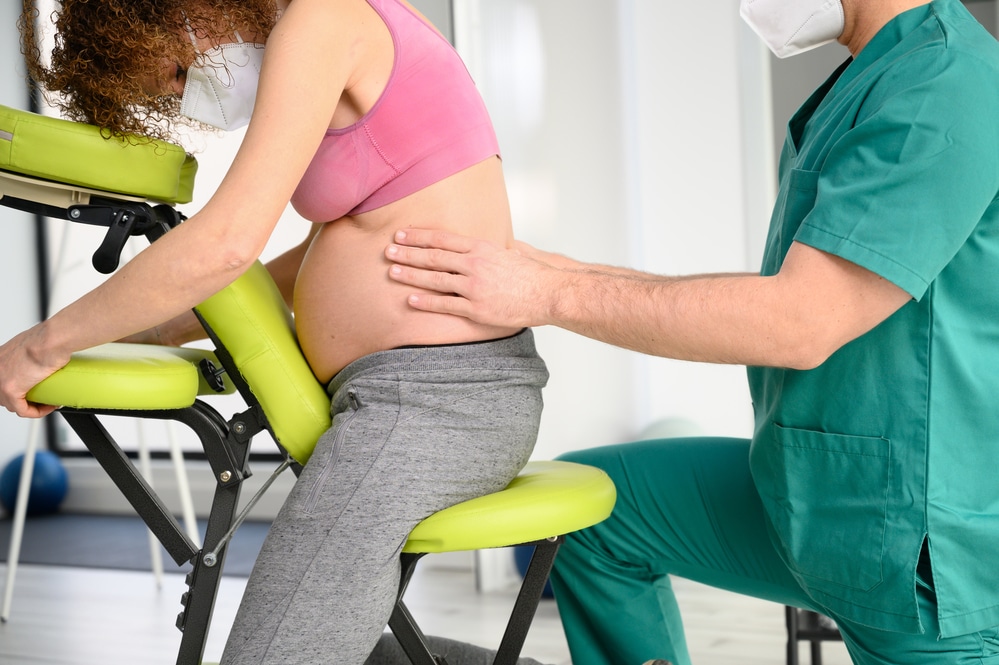
According to the American Pregnancy Association, physical therapy can be beneficial for enhancing the ability of your body to have a smoother pregnancy and birth and for treating typical discomforts such as back pain. This treatment is a medically based profession specializing in pain relief. By working on the typical triggers of pain, such as posture, muscle strength, flexibility, and nerve involvement, treatment plans take a comprehensive approach.
Which is why a physical therapist will design a personalized treatment plan based on the stage of your pregnancy and on your specific needs. It’s important to note that physical therapy focuses on safe and gentle exercises that are suited for pregnant women in order to avoid activities that can harm the infant. Additionally, some physical therapists may use gentle manipulation or massage as hands-on techniques to improve joint function.
Maternity pillow
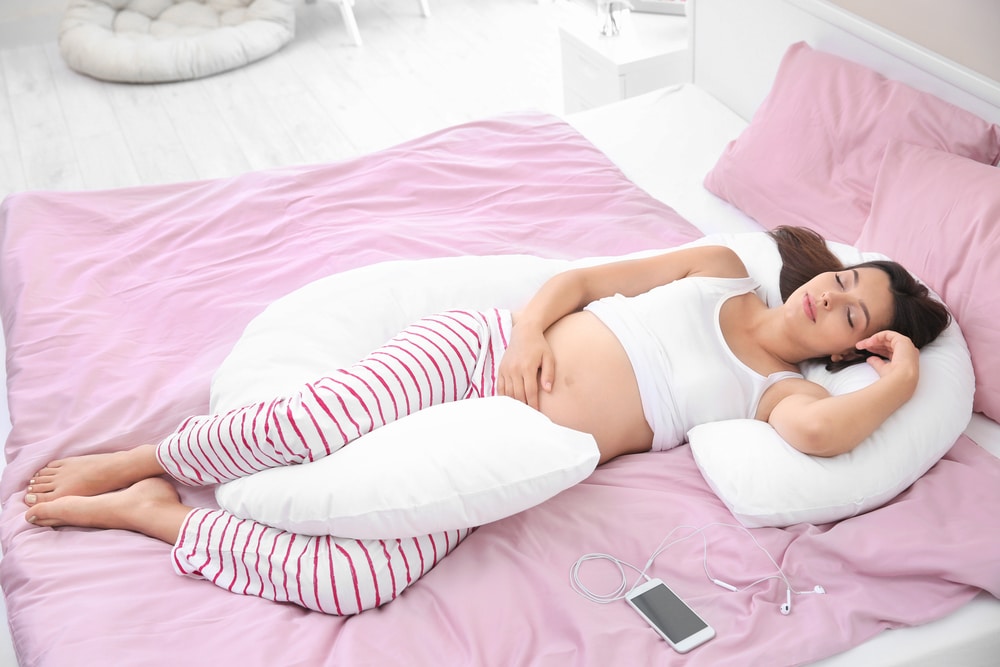
Maternity pillows are specially designed to provide comfort and support for pregnant women. As a result, maternity pillows help relieve pressure on the lower back and promote better spinal alignment while sleeping. The New York Magazine provides a variety of pregnancy pillows that you can choose to lessen the impact of low back pain during pregnancy. Some examples of pillows are the Queen Rose Pregnancy Pillow, The CeeCee Pillow by PharMeDoc, and Momcozy Pregnancy Pillow. These pregnancy pillows come in different shapes and designs that you can choose depending on your preference.
Some key benefits of using a maternity pillow for low back pain during pregnancy are spiral alignment, pelvic support, and comfortable sleep. These pillows are designed to support the spine’s natural curvature, which can help alleviate pain and reduce strain on the lower back. Expect to find a more comfortable sleep position when using a maternity pillow since it can support the hips and abdomen.