Non-citrus foods
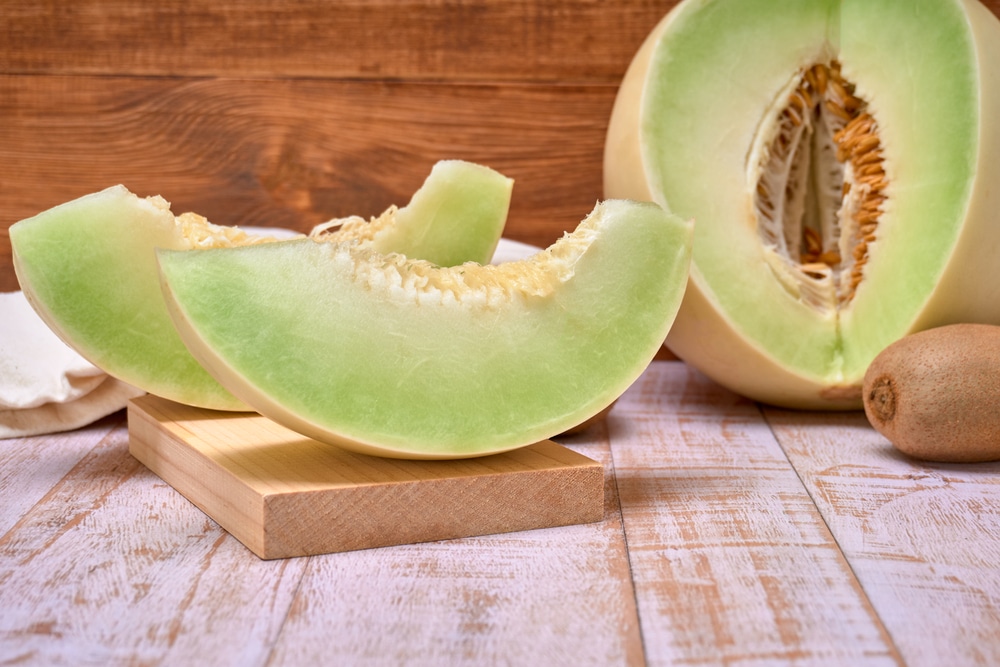
Non-citrus foods can help soothe the digestive system and are less likely to exacerbate heartburn symptoms. According to Gastroenterology Consultants of San Antonio, nearly all fruits and vegetables can help decrease the severity of stomach acid. They provide fiber and essential nutrients and are low in sugar and fat. However, it’s important to remember that since these foods are generally considered to be better choices for people with heartburn, triggers can be different from person to person. So it’s crucial to observe your symptoms and identify any particular foods that can worsen your heartburn.
Non-citrus foods are bananas, melons, and peaches. Bananas are a great choice if you’re looking for a heartburn-friendly diet. They have natural antacid properties that can help neutralize stomach acid. Melons like watermelon, cantaloupe, and honeydew can be gentle on the digestive system and are low in acid content. Ripe peaches can also be a less acidic and delicious fruit choice for people with heartburn.
Chew thoroughly

This is indeed a dietary practice that can help manage heartburn. You break your food down into smaller pieces when you chew your food thoroughly, making it easier for your digestive system to process. Chewing thoroughly begins the process of digestion in the mouth by combining food with saliva, which contains digestive enzymes. This pre-digestion helps the stomach reduce the potential for undigested particles to cause reflux by breaking down the food more effectively.
Keep in mind that chewing your food properly slows down your eating pace. Eating too quickly can contribute to increased pressure in the LES and bloating since it can lead to swallowing air. Moreover, chewing thoroughly gives your brain more time to recognize when you’re full, which may reduce pressure on the stomach and prevent overeating.
Aloe Vera juice
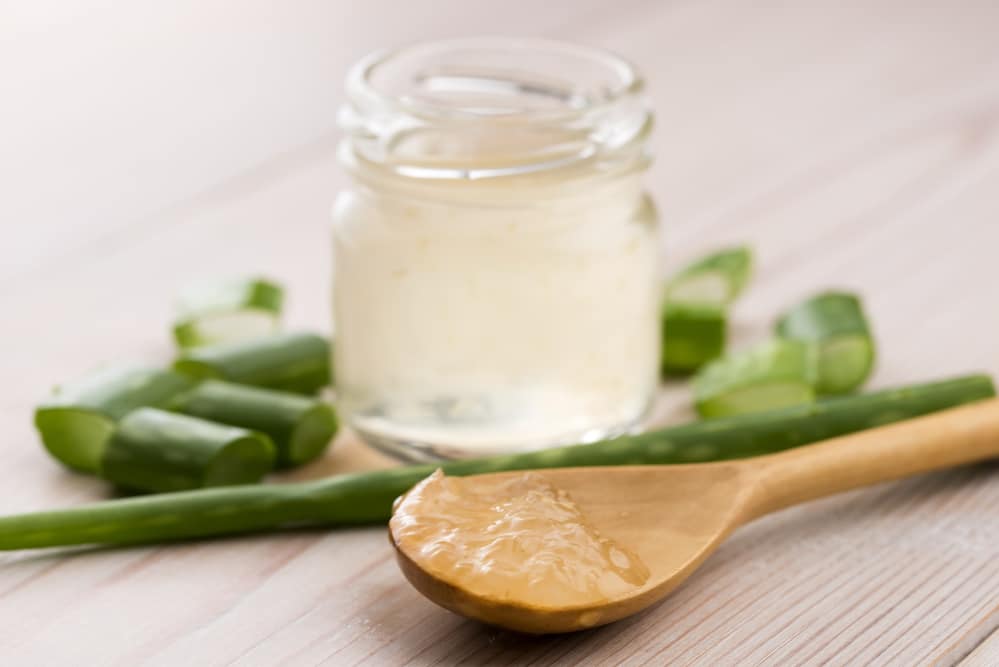
Aloe vera juice is a natural remedy that some individuals use to manage acid reflux symptoms and heartburn. According to Aloe Laboratories, aloe vera, as a medicinal plant, is packed full of amino acids, vitamins, and minerals. Research has discovered aloe vera to be antiseptic, antibacterial, anti-inflammatory, and antiviral in aiding ulcer prevention and wound healing properties.
Moreover, Aloe vera can reduce acid reflux occurrences when used internally. In considering aloe vera juice as your diet, ensure that you use pure aloe vera juice free from preservatives and additives. Start with a small amount of aloe vera juice, preferably one to two ounces, and see the response of your body. Consuming large amounts of aloe vera juice may lead to diarrhea or gastrointestinal discomfort.
Avoid trigger foods

According to Harvard Health Publishing, tomato sauces, spicy foods, vinegar, and citrus foods may intensify heartburn. Fried and fatty foods make stomach acid more likely to leak back up to the esophagus since they remain longer in the stomach. Even chocolate can be a trigger food since it contains theobromine that can relax the LES and result in acid reflux. Peppermint, onions, and garlic can also be potential trigger foods contributing to heartburn.
Therefore, it’s important to focus on adopting a diet that’s heartburn-friendly that includes lean proteins, fruits, vegetables, and whole grains. If you have frequent and severe heartburn despite trying different treatments, it’s important to consult a medical professional immediately for personalized treatment recommendations and proper evaluation.
Stay upright after meals

Gravity can keep stomach acid in the stomach when you remain in an upright position, causing heartburn since it reduces the likelihood of it flowing back into the esophagus. You must be aware that lying down after eating can exacerbate heartburn symptoms and increase the risk of acid reflux. According to Henry Ford Health, to reduce gastrointestinal discomfort and aid digestion, keep upright for two to three hours after meals. Doing this will lessen your chances of experiencing frequent heartburn.
It’s always best to take a leisurely walk after your meal to keep you in an upright position. If you experience nightmare heartburn, elevate the head of your bed by about 6-8 inches to prevent stomach aid from flowing back into the esophagus while you sleep. It’s also essential to avoid strenuous physical activity immediately after eating despite the importance of staying upright since it can hinder digestion.
Low-fat foods

High-fat foods can lead to the increased possibility of stomach acid flowing back into the esophagus since it can relax the lower esophageal sphincter (LES). You can help maintain the integrity of the LES and promote better digestion by opting for low-fat foods. According to Wake Gastroenterology, choose low-fat meats for cooking skinless poultry by trimming the fat first. Choose low-fat meat like chicken that’s baked, roasted, and broiled without added fat.
Make sure to avoid fried foods since they’re high in fat and can exacerbate heartburn. When purchasing processed or packaged foods, check food labels for fat content, and choose options with lower fat content. Moreover, practicing portion control even when consuming low-fat foods can help prevent overeating, which can result in heartburn.
Lean proteins
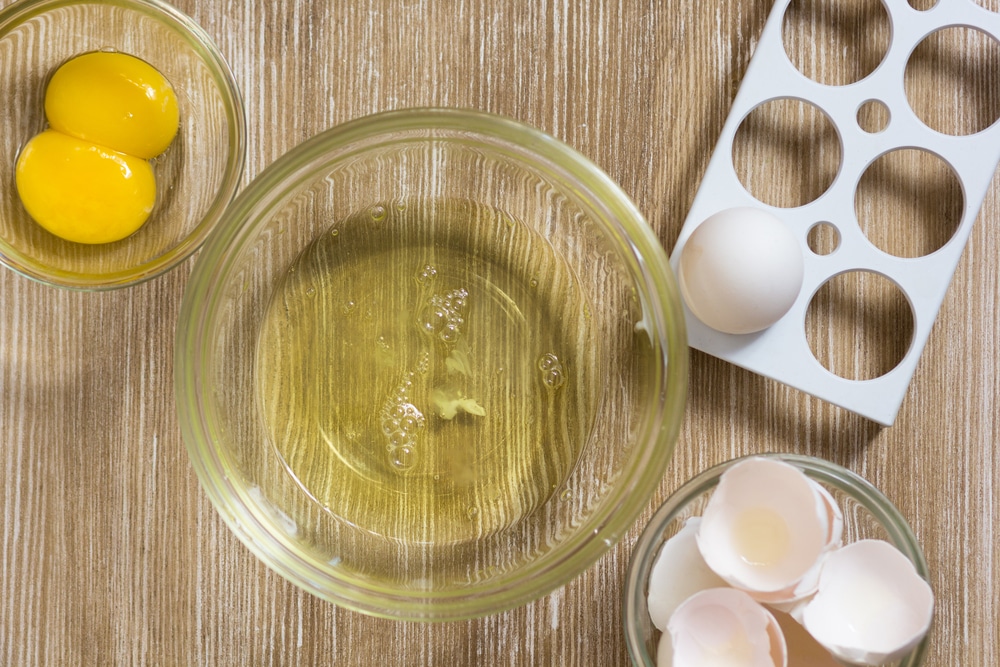
According to Gastroenterology Consultants of San Antonio, lean sources of protein can reduce symptoms of heartburn or acid reflux. Some good choices of lean sources of protein are egg whites, chicken, tofu, and seafood. The best ways to prepare these choices are when they’re grilled, baked, poached, or broiled.
Fish like tilapia, salmon, cod, and trout are excellent sources of lean protein. For a heartburn-friendly meal, avoid frying and instead grill, bake, or steam the fish. Even legumes such as chickpeas, beans, and lentils are rich in fiber and protein, which can be beneficial in reducing the impact of heartburn. Also, opt for lean cuts like sirloin, tenderloin, or top-round beef if you prefer red meat, and make sure to trim visible fat before cooking.
High-fiber foods
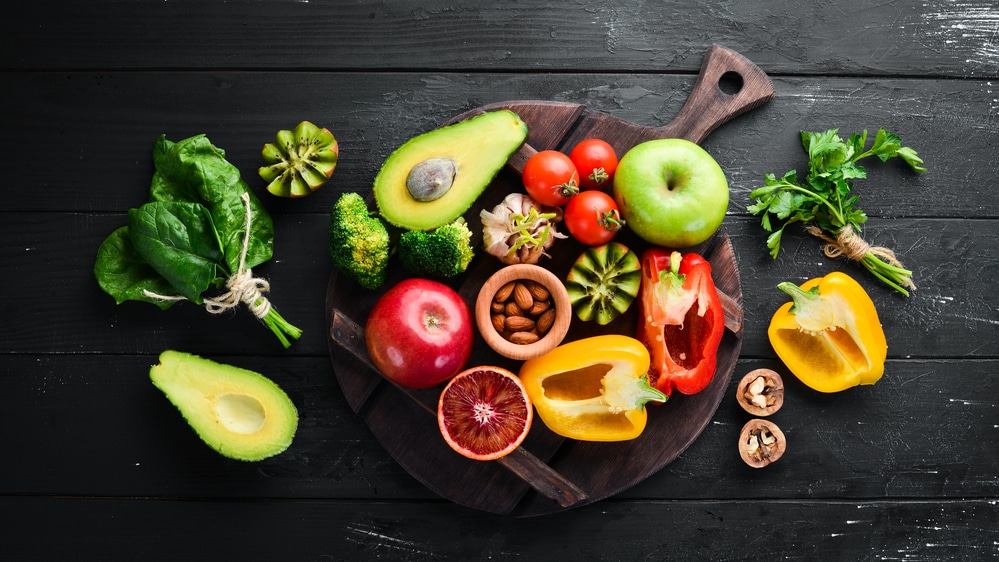
Incorporating suitable types of fiber into your diet can have several benefits for heartburn and overall gastrointestinal health, despite some high-fiber foods being problematic for some individuals. The soluble fiber in fruits and oatmeals can prevent constipation and help regulate bowel movements. There’s less pressure on the stomach when consumption is avoided, which can reduce the risk of acid reflux.
Furthermore, consuming a diet high in fiber can help with weight management, which can be helpful for heartburn. Excess weight, particularly around the abdomen, can increase pressure on the LES and stomach, making it more likely to result in acid reflux. High-fiber foods also promote a healthy and balanced microbiome since they can positively impact gut bacteria. A healthy gut will lead to better digestion and decrease heartburn risks.
Ginger
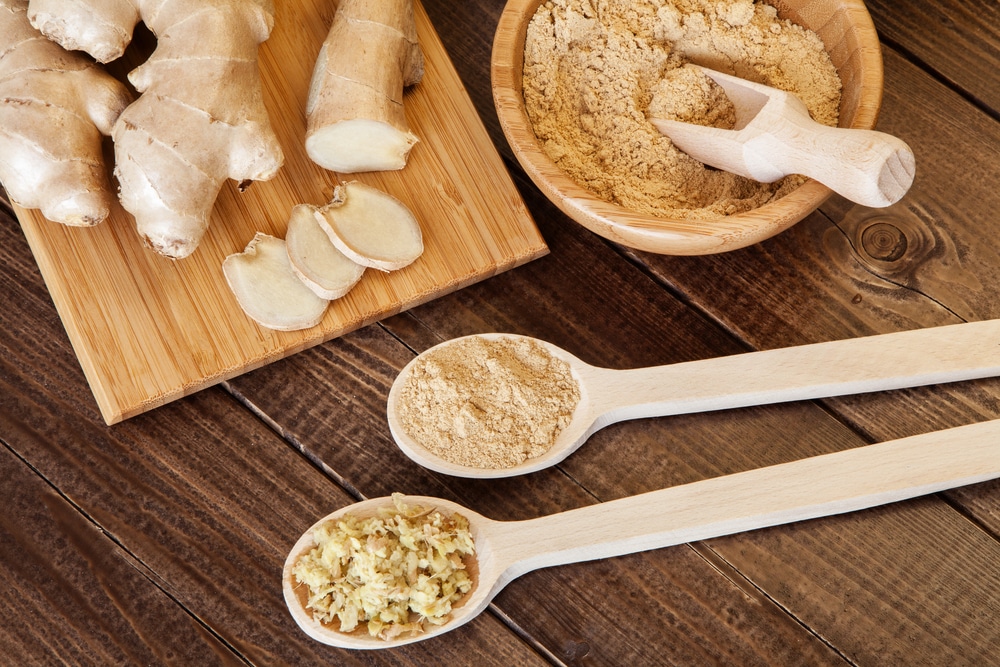
Health News Hub says ginger root is a natural remedy for nausea and heartburn. Researchers hypothesized that the effectiveness of ginger is because of its robust anti-inflammatory properties. The best way to incorporate ginger into your diet is to grate fresh ginger root into smoothies and soups. You can also sip ginger tea after or one-half hour before meals.
Add freshly grated ginger to heat water to make ginger tea. You can use freshly grated ginger to stir-fry dishes and stews. Ginger supplements are accessible in lozenges and capsules if you prefer taking them. But it’s still crucial to follow the recommended dosage on the product label and consult your doctor before taking any steps.
Oatmeal
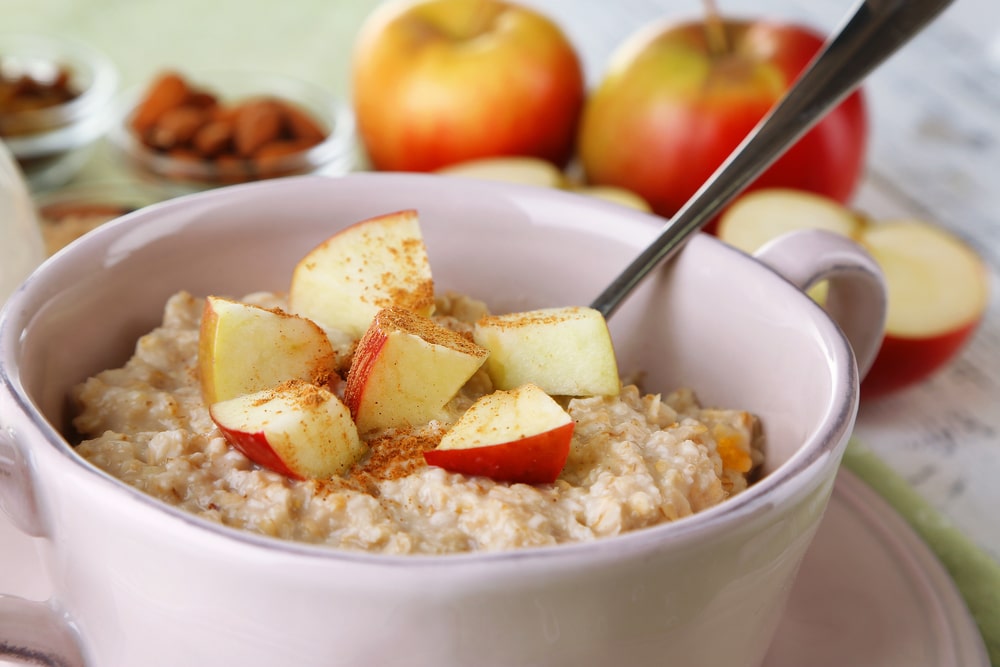
This can be a beneficial diet treatment for heartburn, especially for those who are seeking a heartburn-friendly and soothing breakfast option. According to the Endoscopy Center of Washington, D.C., oats reduce symptoms of GERD and absorb stomach acid. Oats would always promote regularity and keep you feeling full since it’s a good source of fiber.
As a filling breakfast, oatmeal may help prevent overeating and reduce pressure on the stomach. Oatmeal has a relatively neutral pH compared to acidic foods, making it less likely to trigger heartburn. Instead of pre-packaged oatmeal with artificial flavors and added sugar, opt for plain, unflavored oatmeal. This is because sugar can just worsen potential symptoms of heartburn.
Alkaline foods
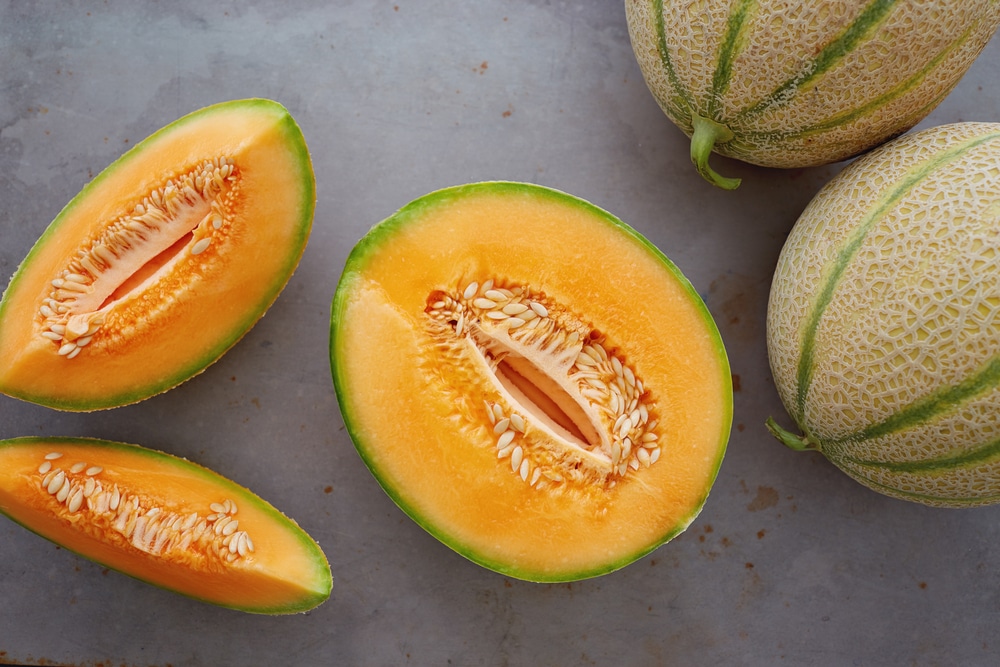
Some people believe consuming more alkaline foods can reduce acidity and alleviate heartburn symptoms, despite the body maintaining its pH balance. It’s important to remember that individual responses may vary regarding research on the specific effects of alkaline foods on heartburn, which is why it’s limited. But incorporating alkaline foods into your diet may be worth considering as a comprehensive approach to managing heartburn.
Most vegetables have an alkalizing effect. Broccoli, kale, and spinach are green leafy vegetables that can be good choices. Others have an alkaline effect, despite some fruits being acidic. Some examples of alkaline fruits are melons, pears, and bananas. Even plant-based proteins like quinoa, tofu, and lentils have alkaline properties.
Herbal teas
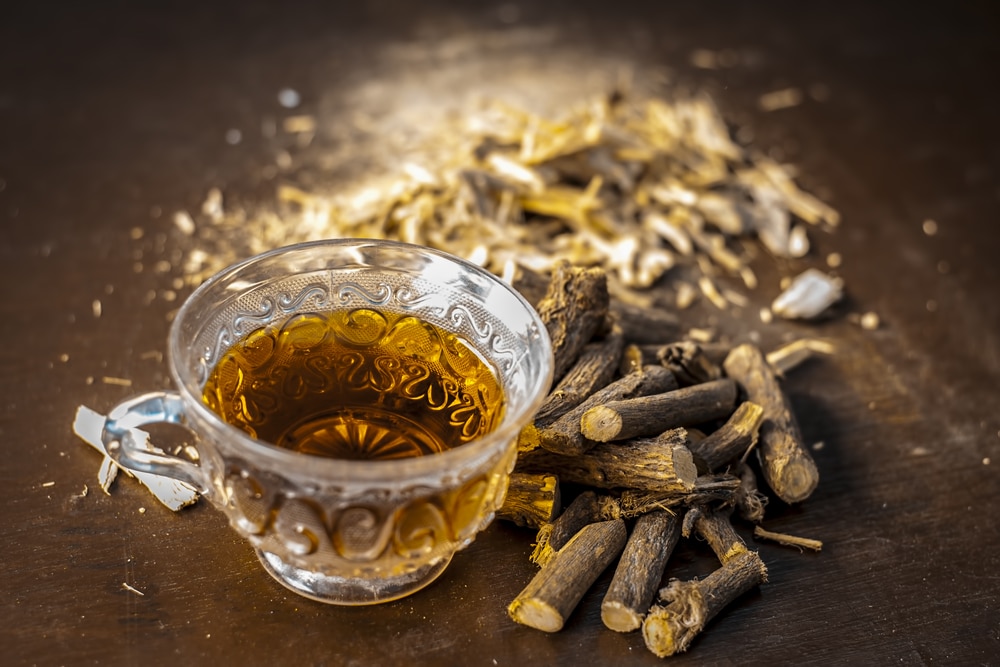
Some herbal teas have properties that may help promote better digestion and alleviate heartburn symptoms. It’s important to remember that some teas may work better for some people than others, so individual responses regarding herbal teas may vary. Harvard Health Publishing provides herbal remedies for heartburn, which include ginger, chamomile, and licorice. A cup of chamomile tea can be soothing to the digestive tract.
Another well-known digestive aid is the root of the ginger plant. It’s already been used for centuries as a traditional remedy for lessening the impact of heartburn. In several studies, licorice can help resist the irritating effects of stomach aid by increasing the mucous coating of the esophageal lining. Also, marshmallow root tea can reduce heartburn symptoms as it contains mucilage.
Small, frequent meals

When you consume smaller meals, there is less food in the stomach at any given time. This can reduce pressure on the LES and help prevent excessive stomach stretching, making the stomach less likely to flow back into the esophagus. Smaller meals lead to quicker emptying of the stomach contents into the intestines since they’re more accessible for the stomach to digest.
Moreover, consuming balanced and smaller meals throughout the day can help stabilize blood sugar levels. This can reduce the risk of heartburn and can positively impact digestion. When following a small, balanced meal, aim for around 5-6 meals throughout the day. Each meal must contain smaller portions compared to traditional three large meals.
Stay hydrated

Drinking water can help dilute stomach acid, making it less irritating to the esophagus when it refluxes. According to Medical News Today, staying hydrated ensures the food will properly pass through the gastrointestinal system, reducing the impact of post-meal acid reflux. In fact, a small study in 2016 reported that water with a hydrogen carbonate supplement can help reduce the symptoms of GERD and heartburn.
Dehydration can exacerbate the symptoms of the condition. You can help maintain the proper balance of digestive fluids, including saliva and stomach acid, by staying hydrated. Drinking water throughout the day is crucial to maintain hydration; don’t only drink water during meals.
Keep a food diary

For an additional example of how to manage your diet, keep a food diary to record the foods and beverages you consume throughout the day. You can also record any potential symptoms you can experience, including the severe symptoms of heartburn. This practice can help identify trigger foods or patterns contributing to your symptoms and provide valuable insights into your diet-heartburn relationship.
Keeping a food diary can help you observe how the timing of your snacks and meals is associated with heartburn symptoms. For instance, what increases your risk of nighttime heartburn may be because of late-night snacking. You can also pay close attention to portion sizes, which can help you avoid overeating. Keeping a food diary doesn’t necessarily mean you must write everything manually in a physical notebook. You can still be creative by using online platforms or sticking to a mobile app for your preference.