Dietary adjustments

These are used as a complementary approach to help manage yeast infections. Specific dietary changes may help control yeast overgrowth and support overall health, despite diet alone may not directly cure a yeast infection. Candida, a particular term for yeast, thrives on sugar. Limiting your intake of refined sugars is important to help control yeast overgrowth. Refined sugars can include processed foods, sugary beverages, and desserts. Make sure to pay attention to sources of sugar hidden in sauces, packaged foods, and condiments.
Pasta, white bread, and other processed grains are refined carbohydrates that can quickly break down into sugars in the body. You can choose white wheat, brown rice, and quinoa as whole grains. Consuming an adequate amount of dietary fiber can support overall digestive health and promote a healthy balance of bacteria in the gut. Ensure you include plenty of legumes, whole grains, fruits, and vegetables.
Good hygiene practices
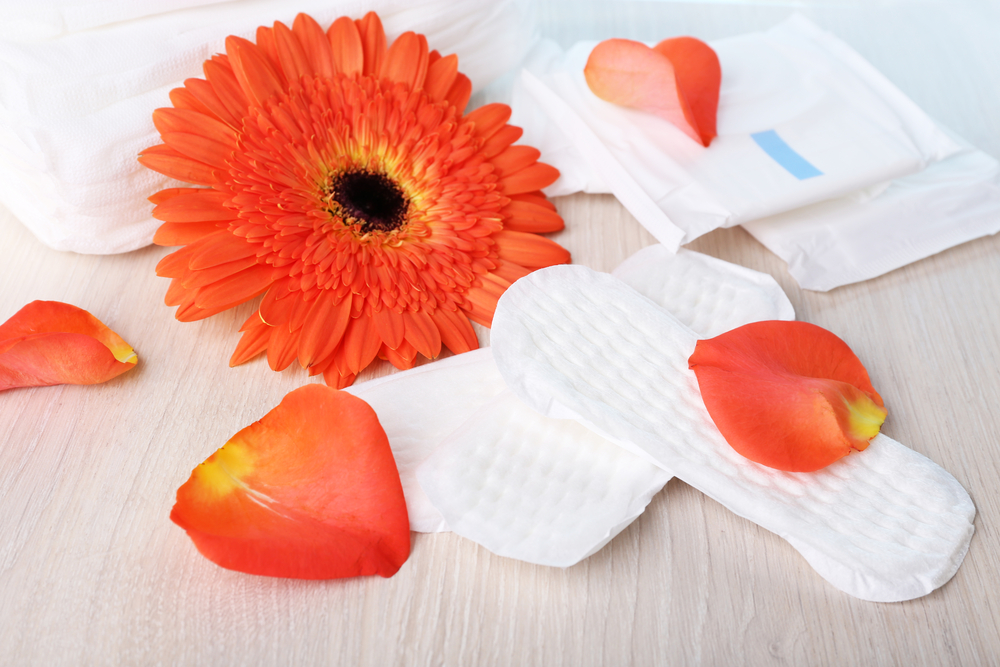
Everyday Health suggested several healthy hygiene practices to prevent yeast infections. In reducing natural moisture, leave room for airflow by wearing loose-fitting underwear and pants. You can wear silk underwear or absorbent cotton instead of synthetic fabrics or nylon. In terms of bathing smartly, be sure to stay out of hot tubs and limit your time soaking in a hot bath. Thoroughly rinse when you’re done using products like bath salts. If you’re a woman, it’s essential to take extra care during menstruation by using pads instead of tampons if you’re prone to yeast infections. Make sure to avoid scented pads or tampons.
Moreover, always wipe from front to back to prevent the spread of bacteria from the anus to the vagina after using the toilet. If you have wet clothing such as a swimsuit or you’ve been sweating, change into dry clothes immediately. This is because moist environments can be a contributing factor to yeast growth.
Avoiding irritants
According to Healthline, certain soaps, detergents, and scented tampons or pads can cause an imbalance in the natural bacteria since they can irritate your vagina. Make sure to avoid using fragrant sprays and powders in the genital area. Instead, use gentle cleaners and unscented items. You can always help maintain a healthy vaginal environment and reduce the risk of yeast overgrowth by minimizing exposure to potential irritants.
Avoid using dryer sheets and fabric softeners on your underwear. These products may leave residues that can irritate the delicate skin in the vaginal area. So choose hypoallergenic and fragrance-free options instead. Moreover, avoid tight-fitting synthetic materials that can create an environment conducive to yeast overgrowth or can trap moisture. It’s always crucial to consult with a medical professional for an accurate diagnosis and treatment if you have a yeast infection.
Coconut oil
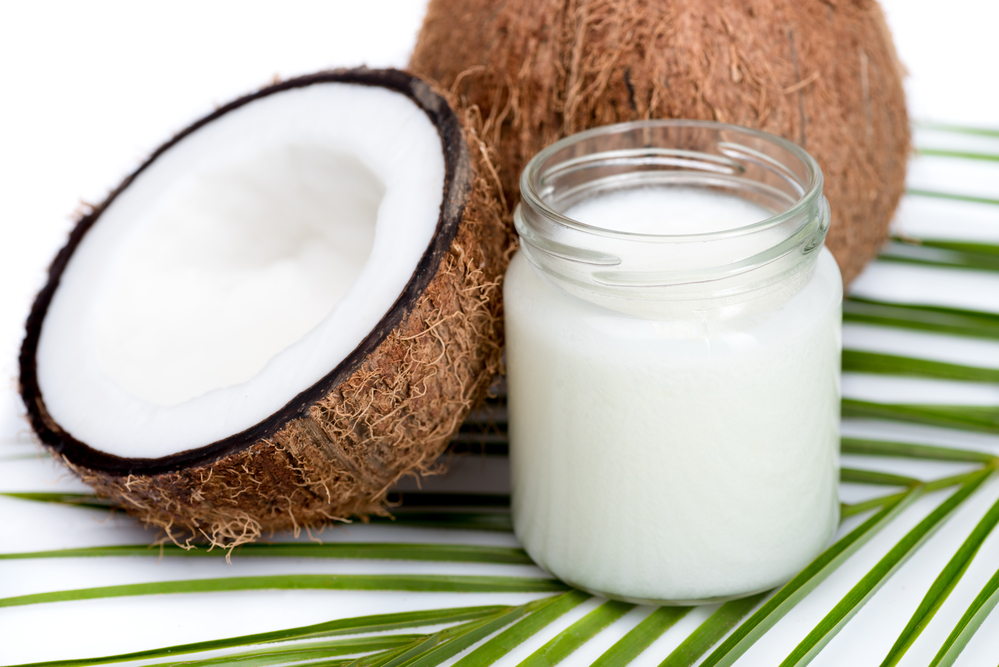
While coconut oil is often suggested as a natural remedy for yeast infections, its effectiveness isn’t well-supported by scientific evidence in terms of treating yeast infections. It’s generally considered more effective against certain strains of bacteria than yeast, despite possessing some antifungal properties. But if you want to try coconut oil for your yeast infection, use high-quality, organic, and extra-virgin coconut oil free from chemicals such as fragrances and additives.
According to WebMD, you can apply a thin layer of coconut oil to the yeast infection’s site. This may soothe dry, irritated, and uncomfortable skin, allowing it to heal by killing off some yeast. A 2007 lab study showed that the Candida albicans strain, which belongs to the yeast species, was the most susceptible to concentrated coconut oil. With that being said, coconut oil seems promising as an effective treatment for yeast infections, despite its limited scientific evidence. It’s important to keep in mind that coconut oil isn’t meant to be inserted into the vagina.
Tea tree oil
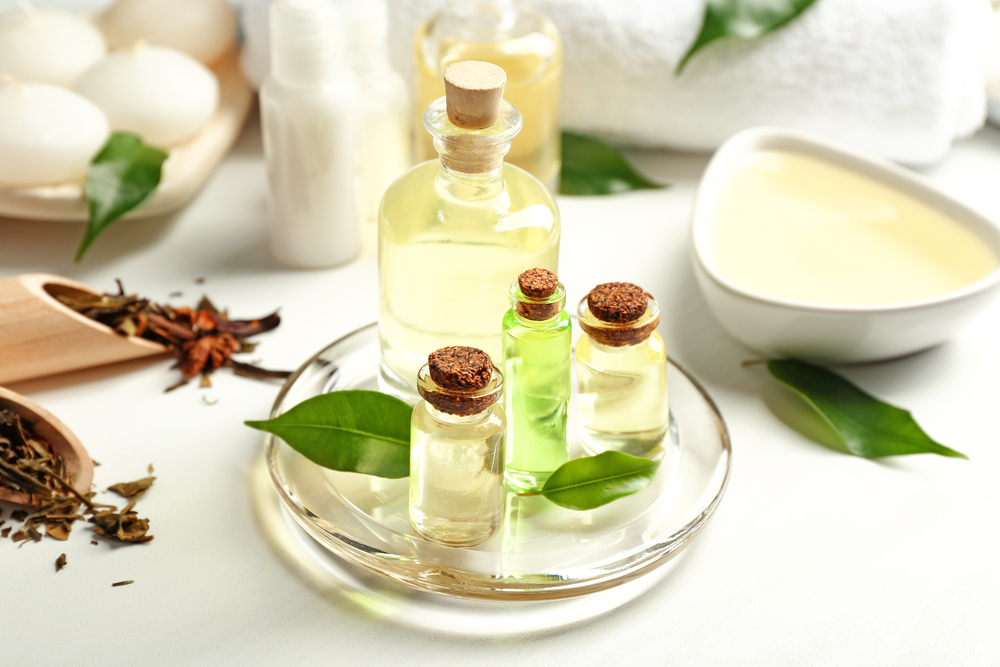
This is a popular essential oil for its antimicrobial properties, including antifungal activity. Some studies suggest that tea tree oil may have potential as a complementary treatment option, despite limited scientific research specifically on tea tree oil for yeast infections. It’s important to keep in mind that tea tree oil can cause allergic reactions and irritation; that’s why it should never be used undiluted directly on the skin. Perform a patch test on a small area of your skin to check for any adverse reactions or sensitivities before using tea tree oil.
According to Tuggeranong Square Medical Practice, studies show that tea tree oil can reduce yeast levels in the body, making it a potential treatment for the condition. It does this by reproducing Candida, closing up the membranes of the cell walls of Candida. This also prevents the attachment of fungus to the surface of the cells of your body.
Over-the-counter antifungal creams
These are effective treatments and are commonly used for yeast infections. Miconazole and clotrimazole are creams available without a prescription at most pharmacies. Which is why they can be used to treat yeast infections in the vaginal area. Be sure to carefully read the instructions provided with the cream and follow them closely. This means you need to pay attention to the recommended dosage, application frequency, and treatment duration.
It’s important to note that most over-the-counter antifungal creams should be applied in the external genital area since they’re designed specifically for external use. Depending on the specific product, some creams may come with applicators for internal use. If symptoms persist or worsen despite using an over-the-counter antifungal cream, don’t hesitate to consult a medical professional for further guidance and evaluation.
Prescription-strength topical antifungals
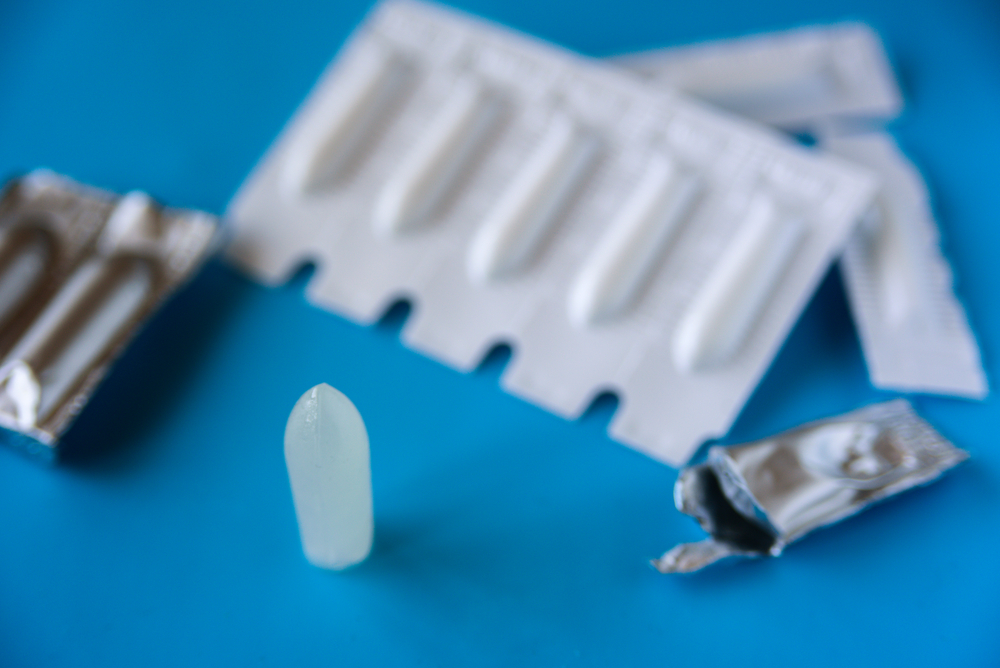
In cases where over-the-counter treatments have been unsuccessful or if the infection is recurrent or severe, prescription-strength topical antifungal medications are another option for treating yeast infection. You can start with taking clotrimazole, such as Mycelex or Lotrimin, since they’re available in more substantial concentrations than over-the-counter products. They can be applied in the affected area as directed by a healthcare professional for a specific duration.
On the other hand, miconazole creams such as Monistat are often prescribed for more stubborn or severe yeast infections. They’re topically applied to the affected area based on the healthcare professional’s instructions. As a cream and suppository, terconazole, such as Terazol, is prescribed for the treatment of vaginal yeast infections.
Oral antifungal medications

These are often prescribed for treating yeast infections that are severe, recurrent, or not effectively managed with topical treatments. Fluconazole, such as Diflucan, is one of the most commonly prescribed oral antifungal medications for yeast infections. It’s usually taken as a single to multiple doses over a specific period. Itraconazole, such as Sporanox, and its dosing regimen can vary based on the recommendation of a medical professional and in a particular situation.
Lastly, voriconazole, such as Vfend, is generally prescribed for more severe and resistant cases. The duration and dosage of the treatment will be determined by a medical professional. However, keep in mind that oral antifungal medications have potential side effects and can interact with other medications. Therefore, the guidance of a medical professional before and while using these medications is necessary.
Boric acid suppositories
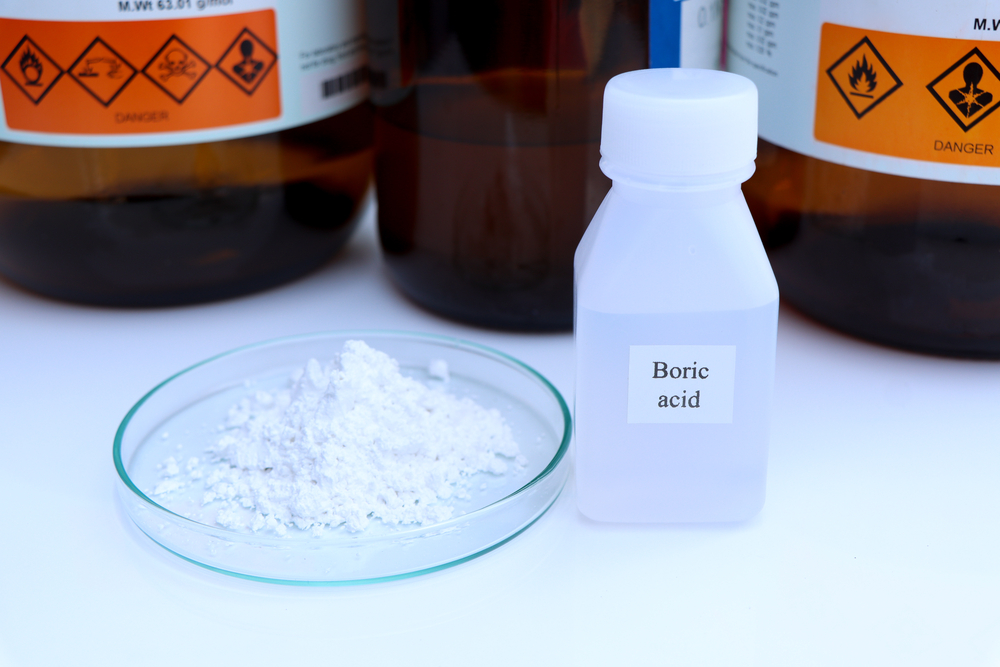
Specifically for recurrent and resistant cases, boric acid suppositories have been used as an alternative treatment for yeast infections. Boric acid is an antifungal agent and an antiseptic that can help rebalance the vaginal pH and inhibit the growth of yeast. But it’s crucial to use boric acid suppositories with caution and under the guidance of a medical professional. They can assess your condition, determine if it’s appropriate for your condition, and provide guidance on proper usage.
Use pharmaceutical-grade boric acid and specifically formulated suppositories made for vaginal use. It can be toxic if suppositories are used improperly, so don’t attempt to make your own, or even use boric acid in other forms. Moreover, some individuals may experience irritation, watery discharge, and mild burning while using boric acid suppositories. Discontinue use and consult a medical professional if you experience any persistent or severe discomfort.
Probiotics

According to GoodRx, probiotics can help treat yeast infections by restoring balance in the vaginal microbiome. They create an acidic environment by producing lactic acid. This prevents many other microorganisms like yeasts from growing in the vagina. It’s important to look for probiotic products that contain specific strains that are helpful for vaginal health, like Lactobacillus rhamnosus, Lactobacillus crispatus, or Lactobacillus acidophilus. These strains are shown to promote a healthy vaginal environment and reduce yeast overgrowth.
Moreover, follow the instructions provided with the probiotic product. This may involve using vaginal creams or suppositories and taking oral capsules. Alongside other treatments for yeast infections, probiotics can be used as an adjunct therapy. They can help maintain a healthy vaginal microbiome to support the effectiveness of antifungal medications.