Garlic
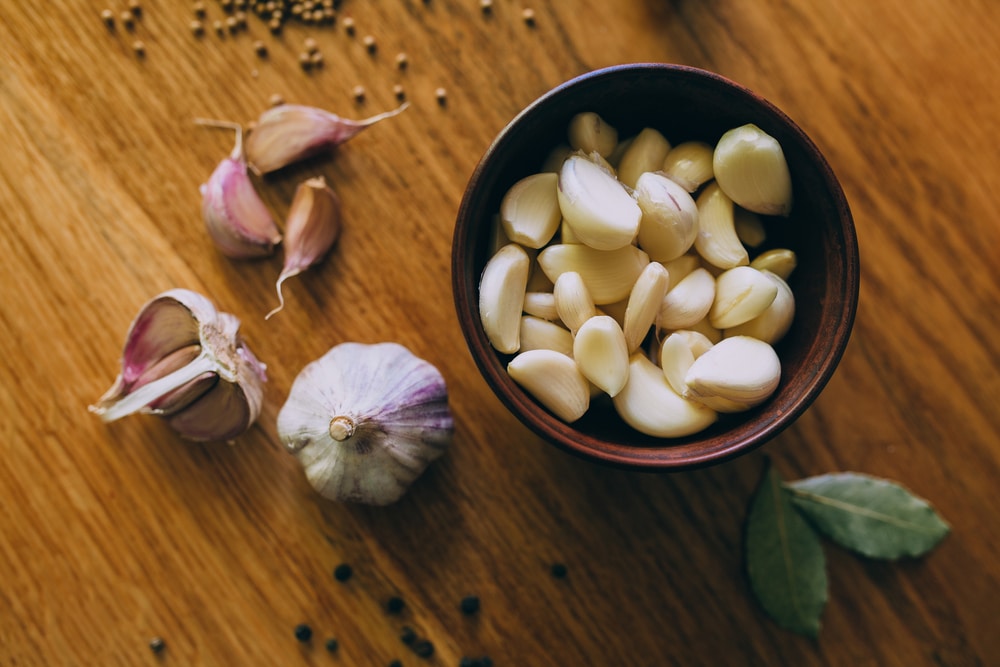
Garlic has the potential to lower cholesterol levels, so consider adding this to your diet. According to Medical News Today, research showed that a person’s cholesterol levels could be reduced by half to 1 clove of garlic per day by approximately 10%. Garlic supplementation, according to some studies, may result in modest reductions in LDL (bad) cholesterol levels. Allicin, an active garlic compound, is believed to be responsible for this effect.
Moreover, garlic consumption is beneficial for heart health in terms of being associated with a potential increase in HDL (good) cholesterol levels. Cholesterol can be protected from oxidative damage by the antioxidants of garlic. Oxidized LDL cholesterol is more likely to contribute to plaque formation in the arteries. Garlic may also have a mild blood-thinning effect, reducing the risk of blood clots and improving blood circulation.
Soy
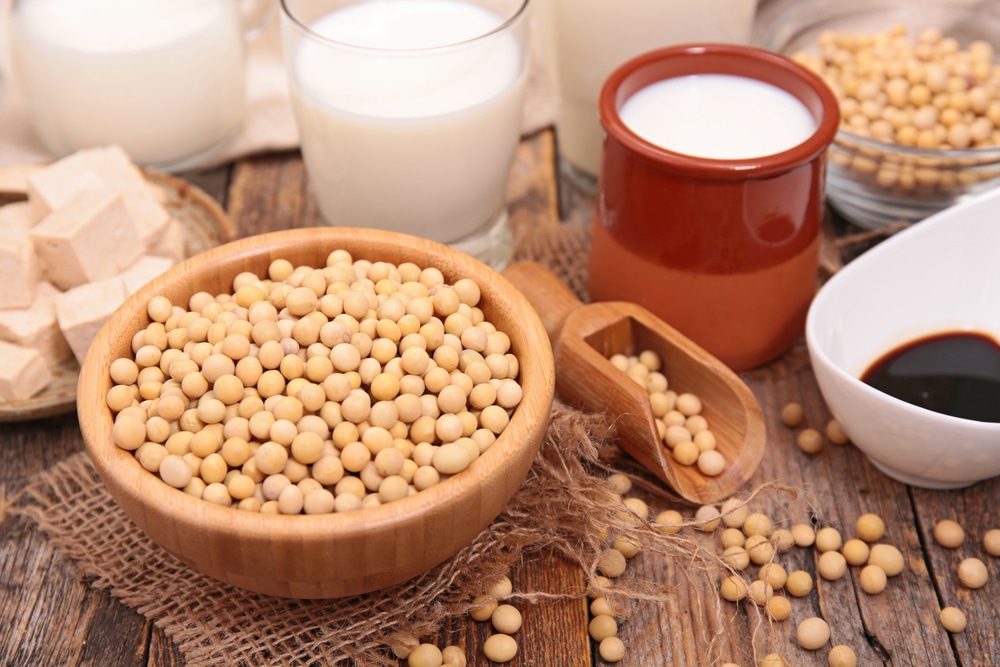
Soy and soy-based products can be beneficial additions to your diet in order to manage high cholesterol levels. According to Harvard University, soy protein can lower LDL by 5% to 6% when you consume 25 grams a day. To promote heart health, it’s crucial to recommend including soy protein foods in a diet low in cholesterol and saturated fat, according to a study published in the AHA Journals.
Keep in mind that soybeans and soy-based products contain plant sterols, which are structurally similar to cholesterol. Plant sterols can lead to a reduction in LDL cholesterol levels by helping block the absorption of cholesterol in the intestine. Soy is also rich in isoflavones, phytochemicals with anti-inflammatory and potential antioxidant properties. Isoflavones, according to some studies, can improve the balance of HDL and LDL cholesterol in order to benefit heart health.
Green tea

According to HealthMatch, studies have shown that green tea extract is highly effective in terms of reducing cholesterol levels in humans through catechins. High consumption of green tea lowered total cholesterol and lowered LDL ‘bad’ cholesterol. This is particularly applied in those with high levels of cholesterol. It’s important to note that green tea contains catechins, a particular type of flavonoid. These have various benefits like antiviral, anti-inflammatory, antioxidant, and anticancer.
It’s essential to maximize the potential benefits of green tea by aiming to drink several cups of green tea per day. This is because some studies have shown that higher intake may lead to more pronounced effects. Make sure to choose high-quality, pure green tea without artificial additives or added sugars. Limit the addition of sweeteners to maintain the health benefits of the beverage as well.
Dark chocolate
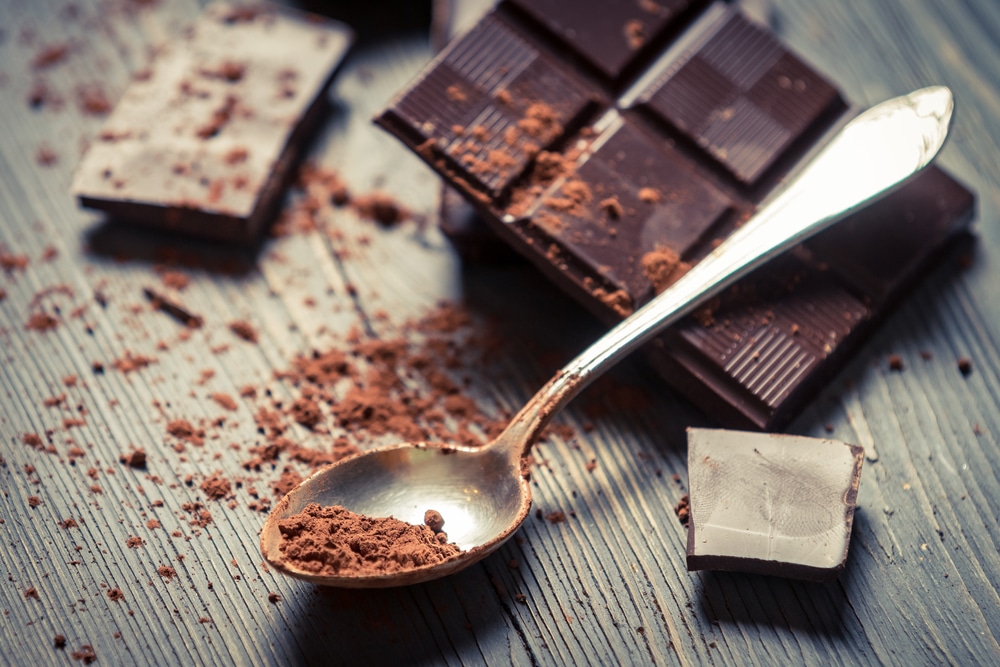
When consumed in moderation and in its pure form, dark chocolate can manage cholesterol levels as a part of your heart-healthy diet. But choosing dark chocolate with a high cocoa content (70% or more) and minimal added fats and sugars is important. Dark chocolate has been associated with modest reductions in blood pressure, which is believed to be another risk factor for cardiovascular disease.
However, remember that dark chocolate as a part of your diet should still be consumed in moderation because it contains fats and sugars and is still calorie-dense. Weight gain and other health issues may occur due to excessive consumption. One ounce or 28 grams per day is usually the recommended portion size of dark chocolate to lessen the risks of high cholesterol.
Flaxseeds and chia seeds
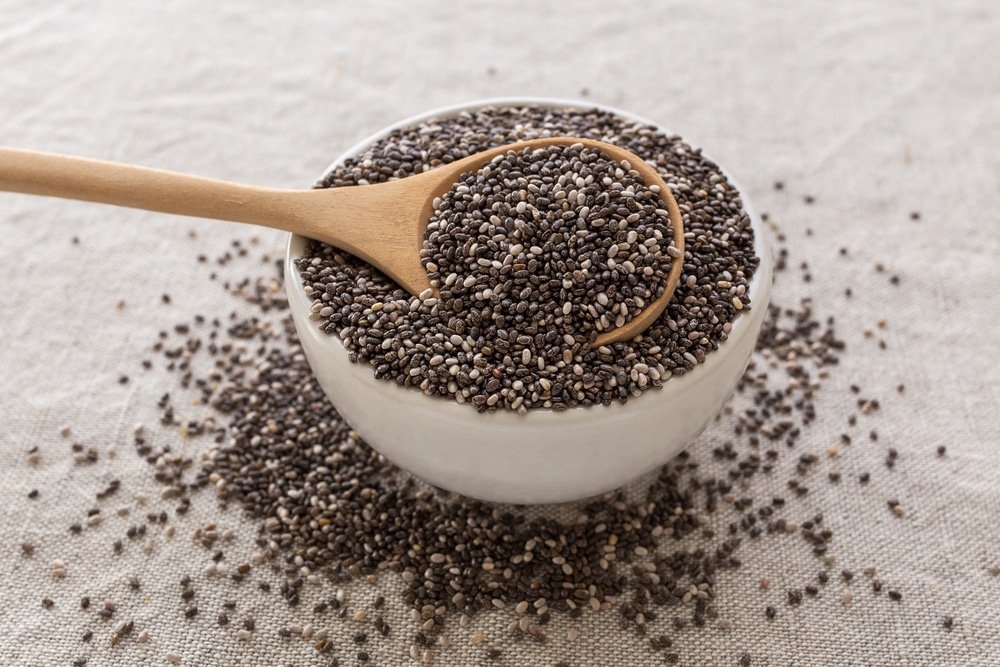
According to India Times, flaxseeds prevent heart strokes and other heart diseases by reducing low-density lipoprotein (LDL) and bad cholesterol. Both chia seeds and flaxseeds are equal in terms of protein and potassium levels. Moreover, they’re both excellent sources of soluble fiber which can be beneficial in lowering harmful cholesterol levels.
Soluble fiber binds to cholesterol when it forms a gel-like substance in the digestive tract, preventing its absorption in the bloodstream. Both chia seeds and flaxseeds contain antioxidants that can help protect LDL cholesterol particles from oxidative damage in order to reduce the risk of plaque formation in the arteries.
Oats
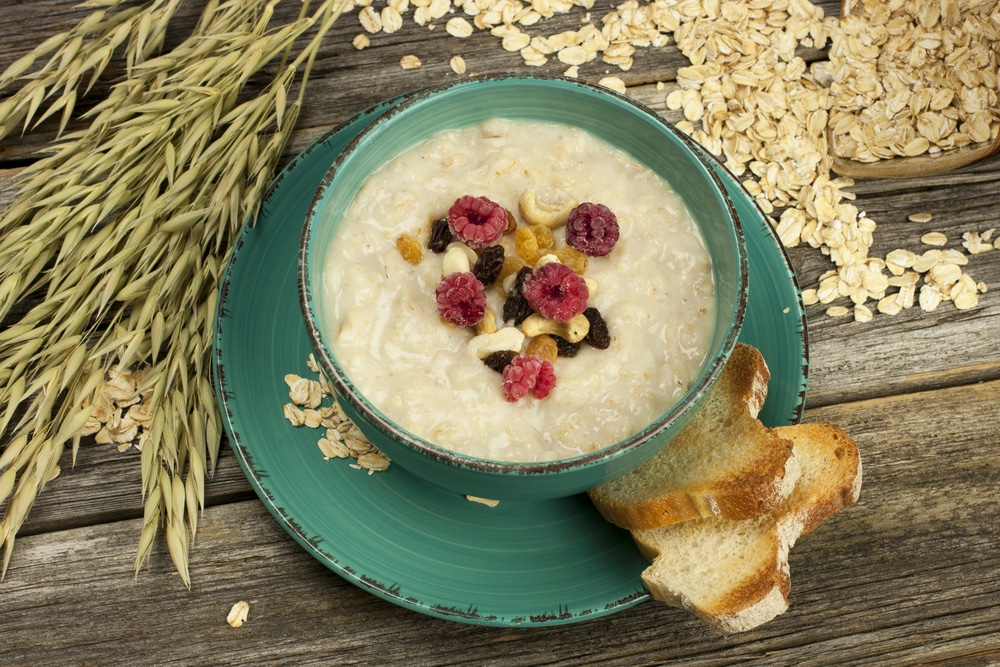
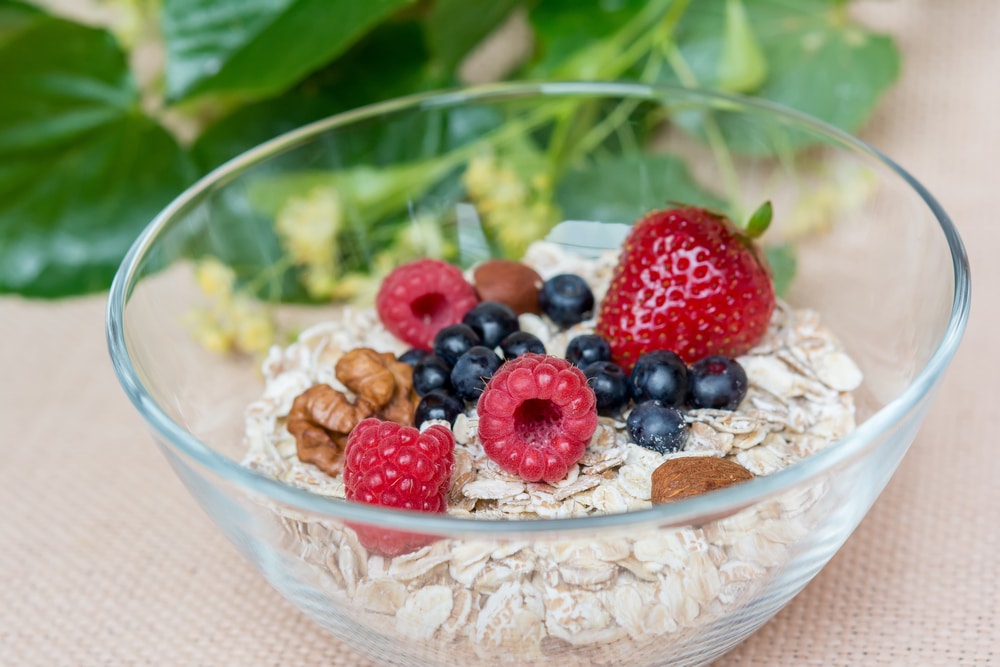
These are excellent dietary choices for managing high cholesterol levels because of their high soluble fiber content. This is known to help lower LDL (bad) cholesterol levels by binding to cholesterol molecules in the digestive tract in order to prevent their absorption in the bloodstream. According to Medical News Today, participants ate 70g of oats daily in porridge form since they had mildly elevated cholesterol levels. As a result, this provided them with 3g of soluble fiber per day.
Oats are beneficial for cholesterol management since they contain a type of soluble fiber known as beta-glucan, which is effective in decreasing levels of LDL cholesterol. In numerous studies, regular consumption of beta-glucan from oats has been shown to have a positive impact on cholesterol levels. Moreover, oats are rich in a variety of essential nutrients such as phosphorus, B vitamins, manganese, and magnesium.
Barley
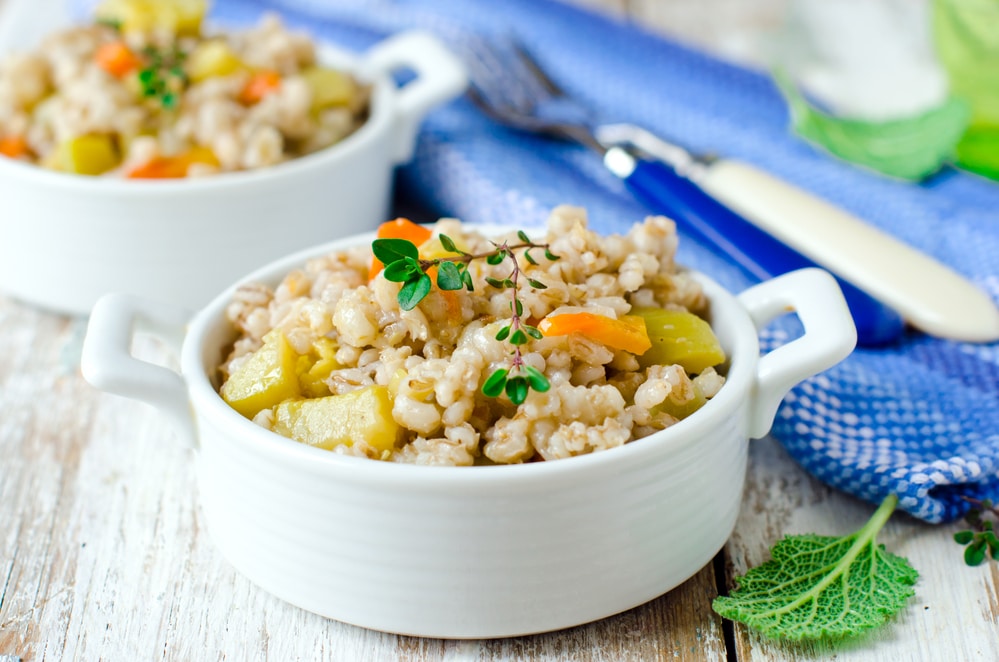
Due to its high soluble fiber content, barley is another excellent dietary option for reducing high cholesterol levels. According to a research paper in St. Michael’s Hospital featured in Science Daily, eating barley or barley-containing foods can decrease two types of bad cholesterol levels connected with cardiovascular risk. By 7%, barley reduced both non-high-density lipoprotein and low-density lipoprotein.
On the other hand, regular consumption of barley has been associated with improvements in the lipid profile. This includes total cholesterol levels and reductions in LDL cholesterol. Another fact about barley is that it has a low glycemic index, which means it has a slower impact on levels of blood sugar.
Beans and lentils
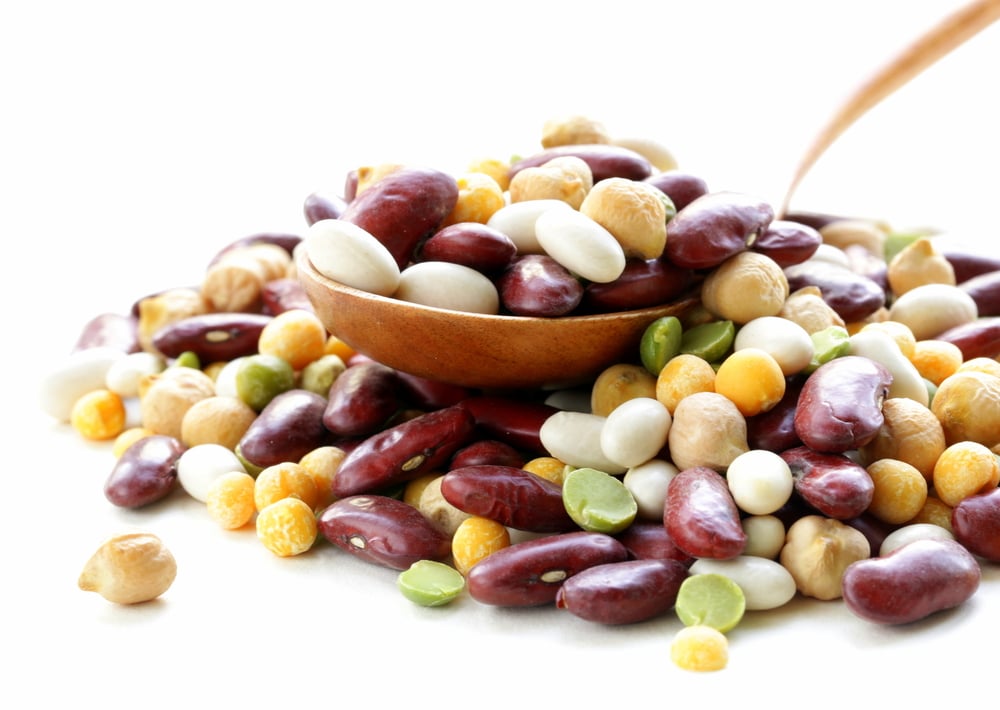
According to an article published in the University of Toronto, eating one serving a day of lentils, beans, and peas can fundamentally decrease bad cholesterol. The new study has also found this to reduce the risk of cardiovascular disease. It’s important to note that beans and lentils are rich in protein and soluble fiber that contribute to overall cardiovascular well-being and cholesterol reduction. Since they’re an excellent source of soluble fiber, they help lower bad cholesterol by binding to cholesterol in the digestive tract and removing it from the body.
Furthermore, as plant-based protein sources, beans and lentils can benefit heart health when used as alternatives to high-saturated-fat animal proteins. Beans and lentils also have complex carbohydrates. Compared to simple carbohydrates, these have a lower impact on blood sugar levels. You can include beans and lentils in your diet in the form of salads, soups and stews, lentil curries, and bean-based dishes.
Nuts
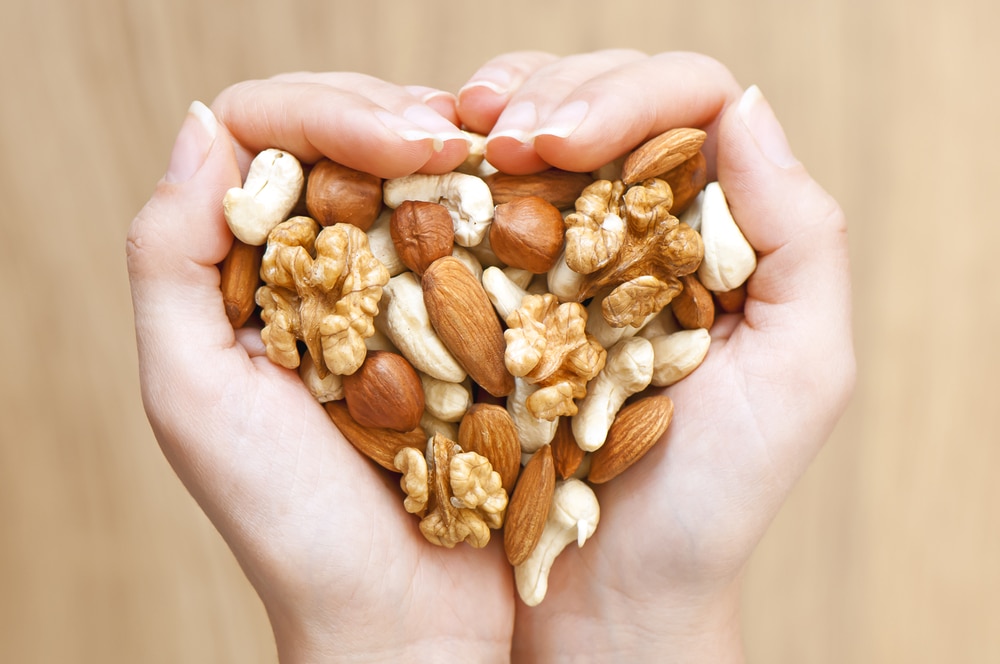
Nuts are rich in polyunsaturated and monounsaturated fats, which are considered heart-healthy fats. When consumed in place of saturated and trans fats, these fats can help lower LDL (bad) cholesterol levels. Some nuts, like walnuts, are excellent sources of alpha-linolenic acid (ALA), a type of omega-3 fatty acid. This fatty acid has anti-inflammatory properties and can help decrease triglyceride levels in the blood.
You can include nuts in your diet by enjoying a small handful of nuts. Excellent choices of nuts would be peanuts, walnuts, almonds, and pistachios. Use natural nut butter (without hydrogenated oils and added sugars) as spreads on whole-grain bread or as dips for fruits and vegetables. You can chop nuts for extra crunch and flavor in your preferred salad.
Fatty fish
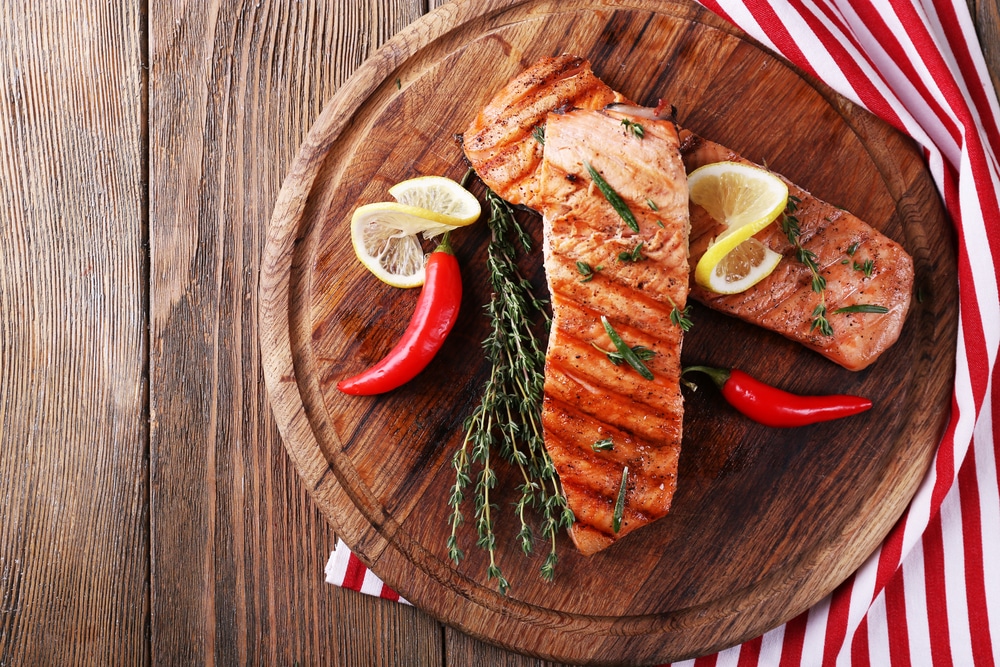
Due to its high content of omega-3 fatty acids, fatty fish can be a beneficial addition to the diet for managing high cholesterol levels. According to TriHealth, swordfish, salmon, and tuna are the best in terms of lowering cholesterol levels. You can also consider other good options like halibut and sardines. Omega-3 acids associated with fatty fish may increase HDL (good) cholesterol levels, which can benefit heart health.
Moreover, omega-3 fatty acids also have anti-inflammatory properties that can support the overall health of your heart. If you want to include fatty fish in your diet, you can prepare fatty fish by grilling, broiling, or baking for a heart-healthy and delicious meal. Use grilled or baked fatty fish as a filling for wraps or tacos, along with a whole-grain tortilla and fresh vegetables.
Olive oil
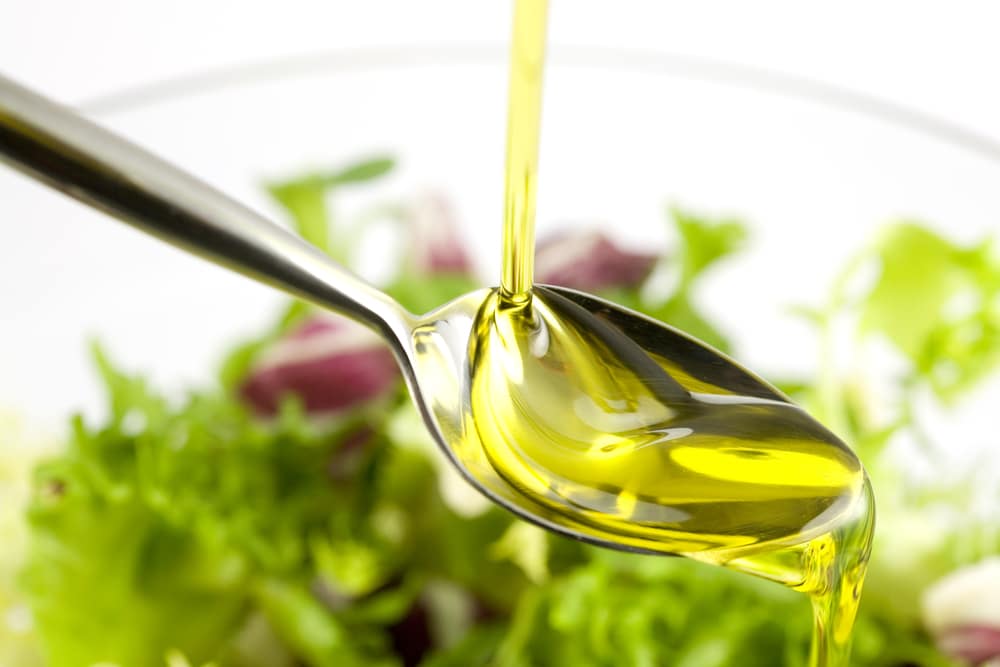
According to Piedmont Healthcare, olive oil can lower bad cholesterol levels while leaving your good cholesterol untouched since it contains beneficial antioxidants. Olive oil’s cholesterol-lowering effects become more excellent if you choose extra-virgin olive oil. This means that the oil contains more heart-healthy antioxidants and is less processed.
Take note that olive oil is predominantly composed of monounsaturated fats, particularly oleic acid. Monounsaturated fats can help bad cholesterol levels since they’re considered heart-healthy when used in place of trans and saturated fats. You can use olive oil in your diet in salad dressings, sauteing vegetables, and as homemade dips and pesto recipes.
Avocado
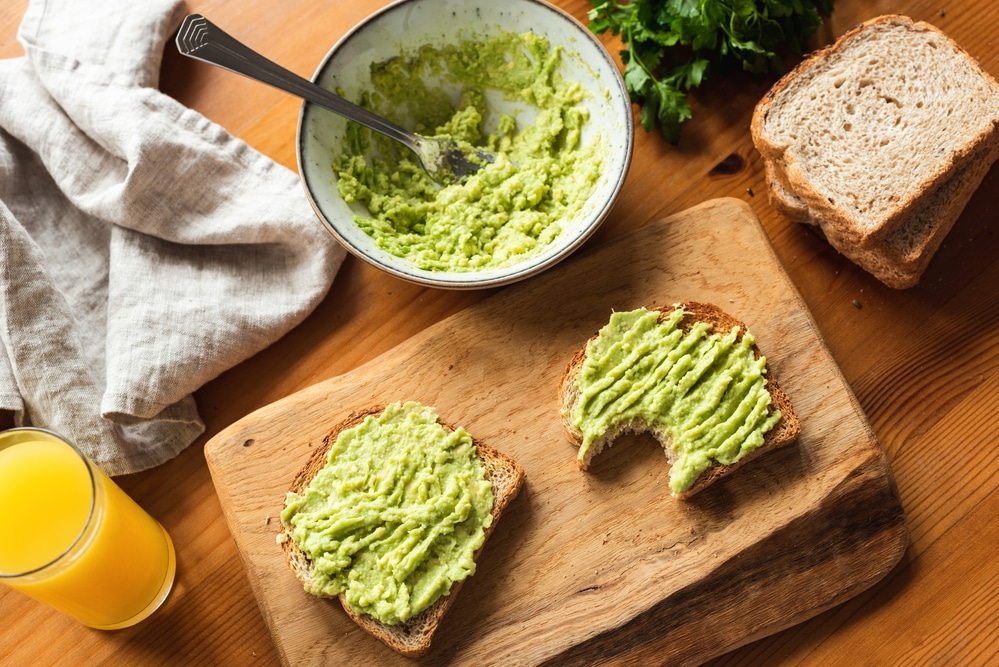
These are good sources of dietary fiber, particularly soluble fiber. This can contribute to lowering LDL cholesterol levels by reducing cholesterol absorption in the gut. Avocados contain phytosterols, which are plant compounds structurally similar to cholesterol. They can help block cholesterol absorption in the adrenaline in order to decrease LDL cholesterol levels.
You can include avocados in your diet to fight high cholesterol by preparing guacamole with onions, mashed potatoes, lime juice, tomatoes, cilantro, and spices. You can use it as a spread or dip. For avocado toast, top whole-grain toast with sliced avocados, a drizzle of olive oil, and a sprinkle of salt for a nutritious snack or breakfast. And if you want to beat the heat, you can blend avocados into smoothies to add creaminess and nutrients.
Berries
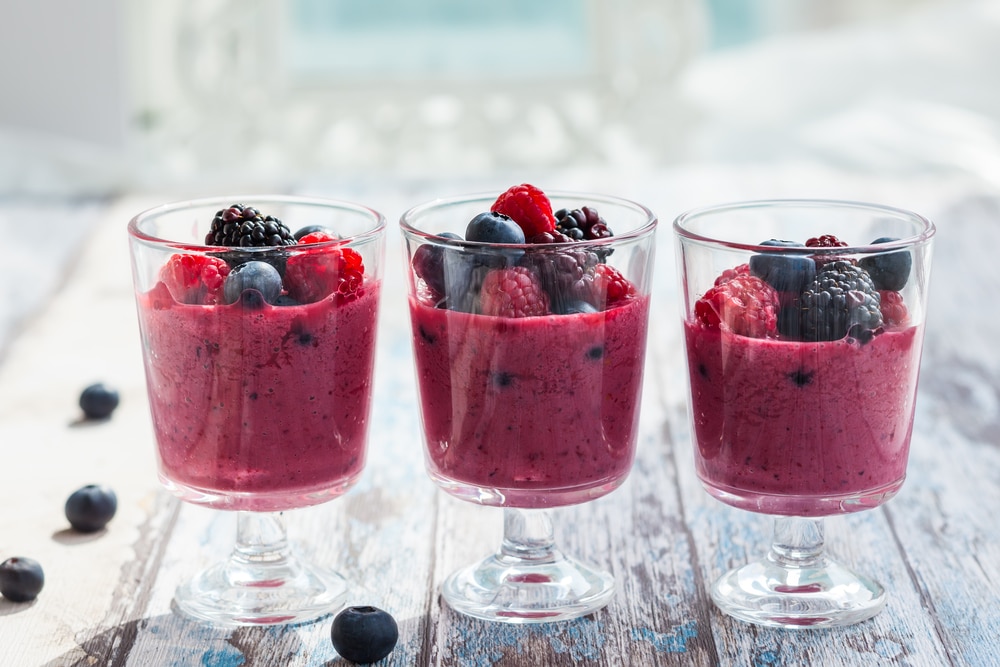
A study published in the National Library of Medicine showed that the researchers’ meta-analysis showed that berry consumption significantly reduced SBP, LDL cholesterol, and fasting glucose. Packed with antioxidants such as flavonoids and anthocyanins, berries can help protect LDL cholesterol particles from oxidative damage, which can contribute to the formation of plaque in the arteries.
You can start with eating a variety of berries like blueberries, strawberries, and raspberries in terms of including berries in your diet to reduce high cholesterol. Make sure to add a handful of berries to your favorite smoothie for a burst of nutrition and flavor. You can also layer berries with granola and yogurt to create a heart-healthy and tasty parfait.
Spinach and kale
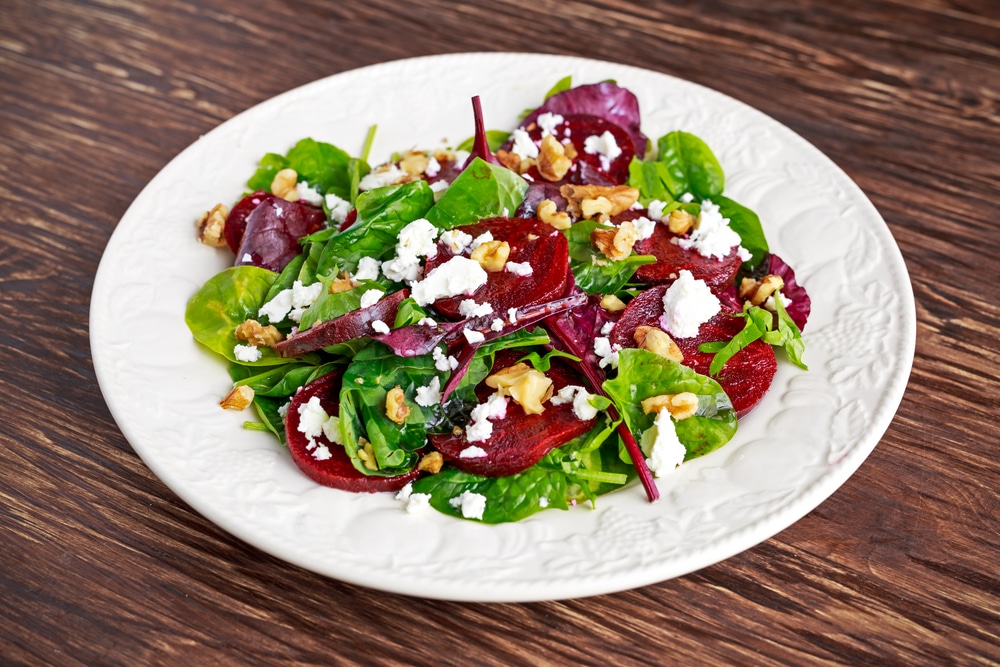
These leafy green vegetables have bioactive compounds and are rich in nutrients that can contribute to cholesterol reduction. Both spinach and kale are packed with antioxidants like beta-carotene and Vitamins C and E. These can help protect LDL cholesterol particles from oxidative damage. They’re both ideal choices for looking to manage their cholesterol levels and weight since they’re naturally low in saturated fat and calories.
Moreover, spinach and kale are rich sources of essential vitamins and minerals like Vitamins A, C, and K, as well as potassium and folate. If you’re considering spinach and kale for your diet, make sure to use raw spinach and kale as the base for nutrient-packed salads. To enhance the flavor, add other fruits, nuts, vegetables, and seeds.
Whole grains
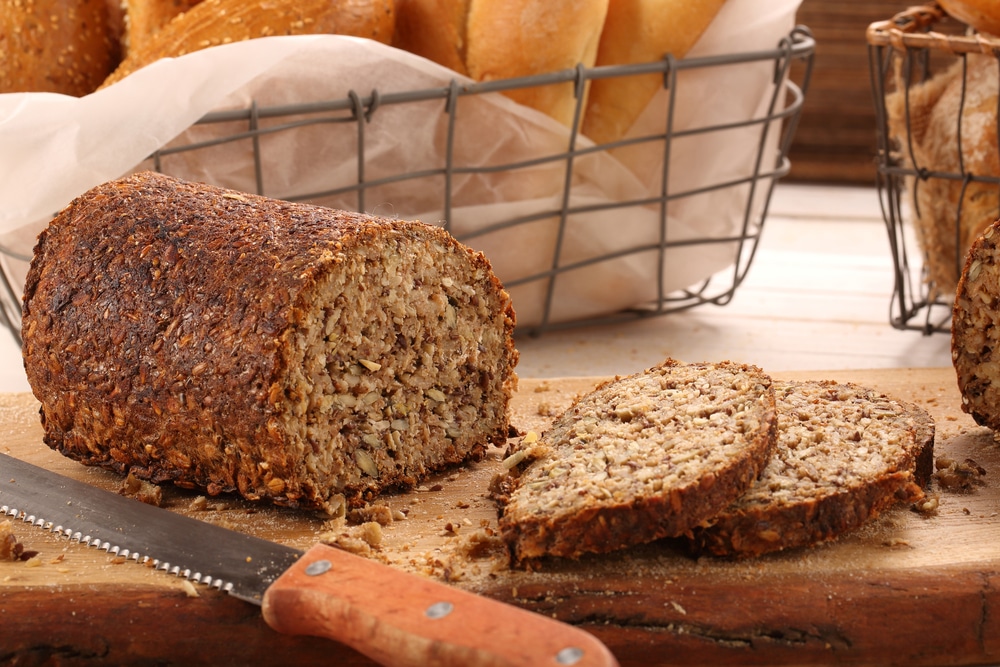
Whole grains are rich in minerals, vitamins, and dietary fiber that can contribute to your overall cardiovascular well-being and cholesterol reduction. Brown rice, oats, and barley contain soluble fiber. They can bind to cholesterol in the digestive tract and facilitate its elimination from the body in order to help lower LDL (bad) cholesterol levels.
Whole grains have a lower glycemic index compared to refined grains. This means that they have a slower impact on blood sugar levels. They provide essential vitamins and minerals like selenium, magnesium, and Vitamin B. You can include whole grains in your diet by eating whole-grain bread instead of white bread for toast and sandwiches. Instead of regular pasta, choose whole-grain pasta for added nutrients and fiber. Also, use brown rice instead of white rice for a more nutritious side dish.