Oatmeal baths
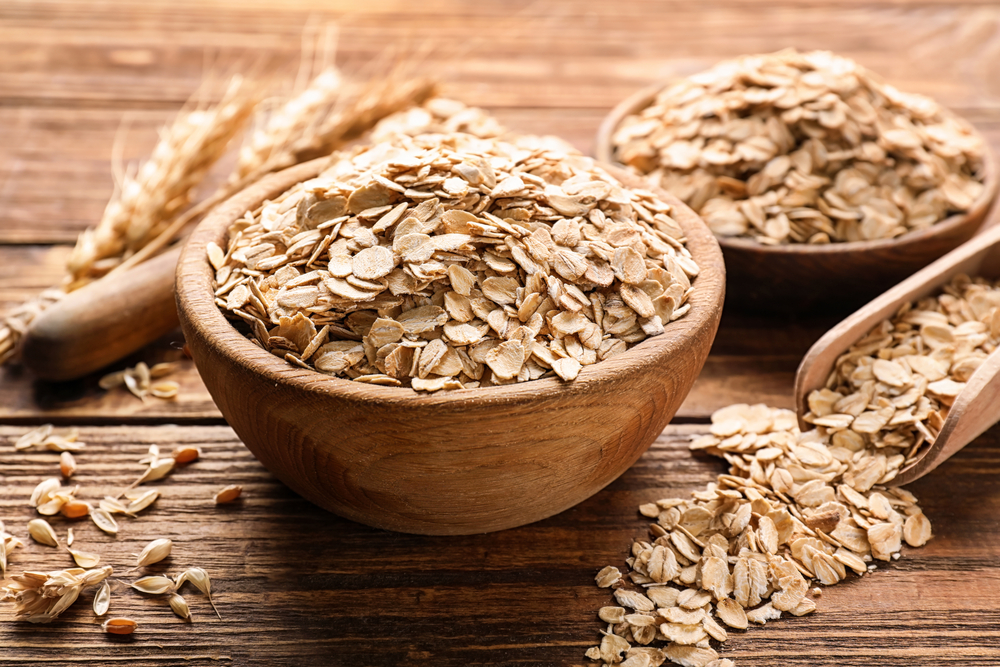
These are often used as a home remedy to alleviate rash symptoms. Oatmeal baths can provide temporary help to soothe irritated skin and relief from itching, despite not being able to be a definite cure for the rash. Oatmeal can help reduce irritation and itching because it has anti-inflammatory properties. It can help promote healing and retain moisture, forming a protective barrier on the skin.
When preparing an oatmeal bath, grind regular oats finely enough (if ever you’re using them) so they can dissolve in the water, but you can also use colloidal oatmeal. Then fill your tub with hot water before pouring half a cup of oats into your bath. Soak in the tub for 15 minutes, then rinse your skin with lukewarm water. Remember to pat dry because rubbing with a towel can irritate your skin, and apply a fragrance-free lotion.
Burrow’s solution
Also known as the Domeboro solution, Burrow’s solution is an over-the-counter product that can soak or be used as a compress to dry out the rash and relieve itching associated with poison ivy. It’s available in powder or pre-mixed form and contains aluminum acetate. This treatment works by providing a cooling effect to soothe the skin and reduce inflammation. It can help promote the drying of the rash and relieve itching.
Before applying the solution, it’s important to follow the packaging instructions, which involve dissolving the powder in water. You can also use the pre-mixed solution before soaking a clean compress or cloth in the solution. To avoid dripping, gently wring out the excess solution, then apply the soaked compress directly to the affected area of the skin. You can gently press or hold it in place on your skin. Then for 15-30 minutes, leave the compress on the skin. After removing the compress, pat the skin dry with a soft towel, and be sure to do this gently. Repeat the process according to the provided instructions for the solution.
Natural remedies
Natural remedies are complementary treatments that may be beneficial to alleviate the symptoms of the condition. Before deciding to look for natural remedies that might work for you, it’s important to note that their effectiveness can vary. One of the most common home and natural remedies you can acquire is aloe vera gel. Apply the gel to the affected area to reduce inflammation and soothe the skin.to provide an additional cooling effect, refrigerate the gel before applying it to your skin.
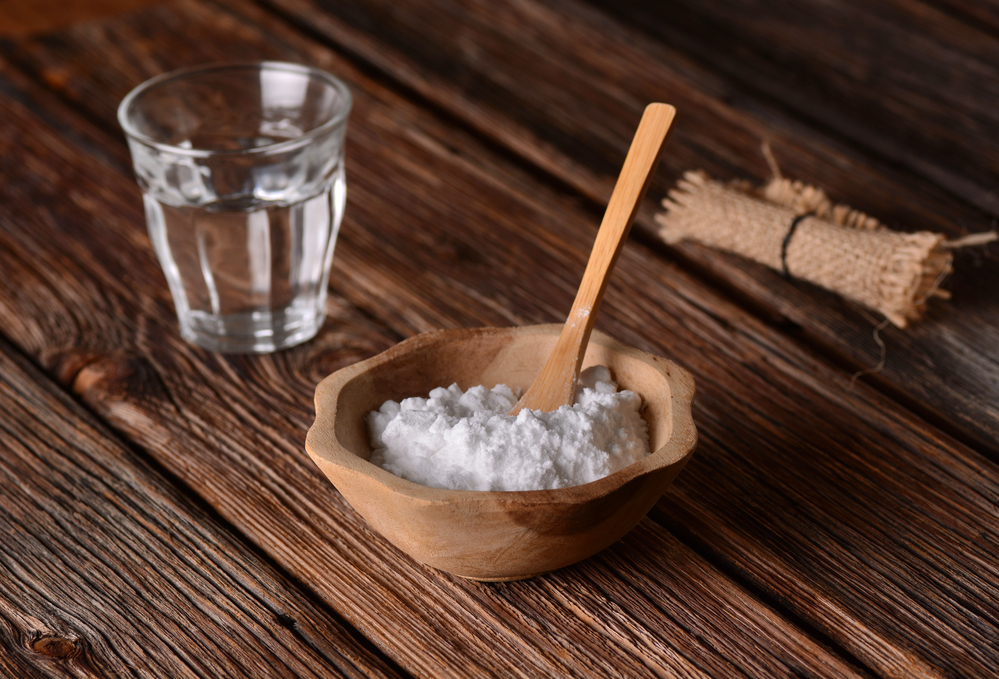
Even baking soda can be a beneficial remedy in treating poison ivy. Mix baking soda with water and apply it to the rash by creating a paste. Leave it for a few minutes before rinsing it off with cool water. You also have the option to use witch hazel by applying the hazel extract to the affected skin using a pad or ball. This remedy has anti-inflammatory and astringent properties that can reduce itching.
Topical lotions
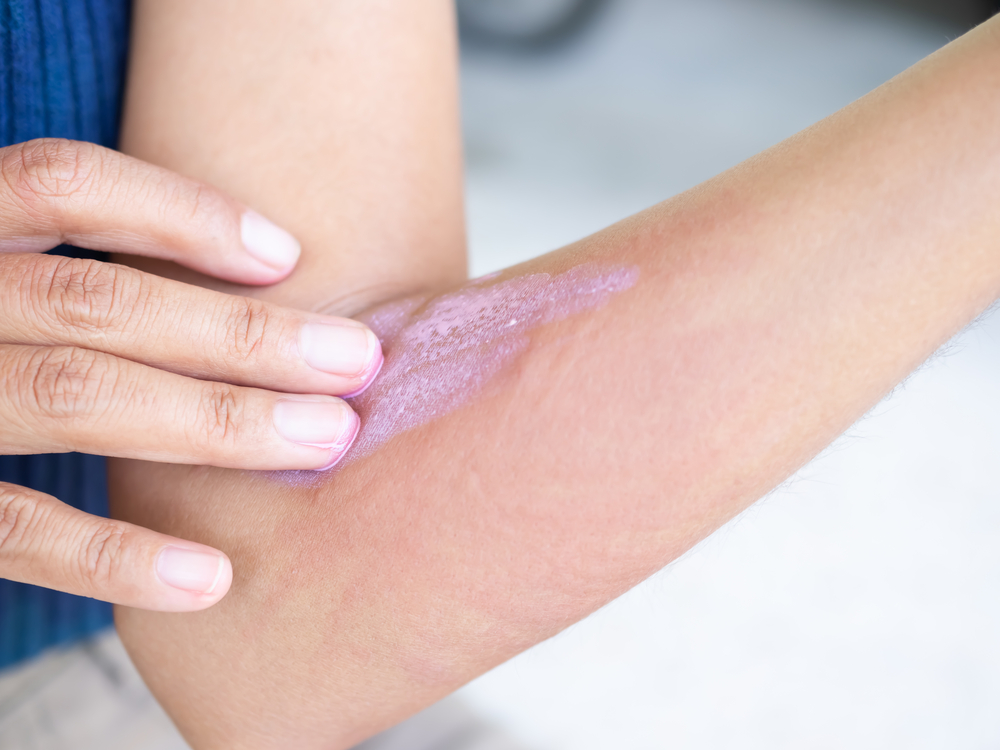
Topical lotions such as Calamine lotion and Aluminum acetate solution can be beneficial in treating poison ivy by providing relief from inflammation and itching. According to MedlinePlus, Bentoquatam Topical is used to prevent poison sumac, poison oak, and poison ivy rashes in individuals who have come into contact with these plants. Belonging to the class of medications called skin protectants, it works by forming a coating on the skin that prevents it from causing a rash by protecting it from rash-prone plant oils.
A popular over-the-counter remedy for poison ivy is Calamine lotion. It helps dry out the rash and soothes the skin since it contains zinc oxide and calamine. On the other hand, often found in products like Burrow’s solution, Aluminum acetate solution can be used as a compress with astringent and anti-inflammatory properties.
Prescription-strength creams
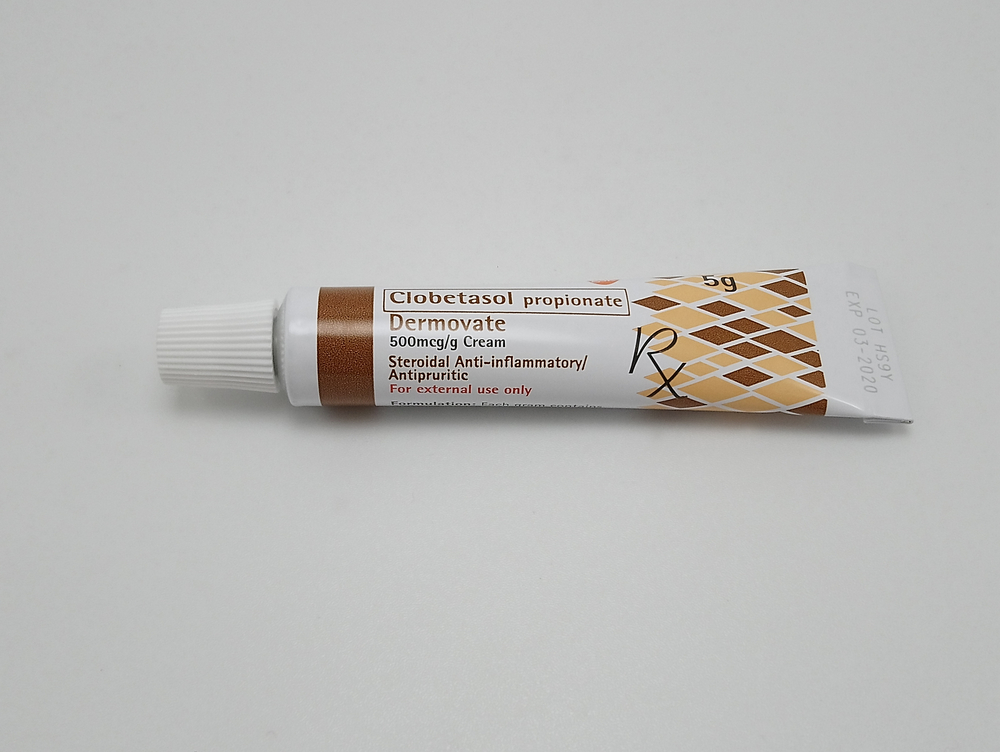
Your doctor may prescribe prescription-strength creams or ointments in severe cases of the condition. This may be applicable when over-the-counter treatments aren’t providing sufficient relief. These prescription medications typically contain higher corticosteroids and concentrations to help reduce itching and inflammation. But it’s important to note that these creams should be used under the guidance of a healthcare professional. They have potential side effects and more potent effects compared to over-the-counter medications.
Additionally, your doctor may prescribe you to take oral corticosteroids or other systemic medications for severe cases of poison ivy that involve significant discomfort or widespread rashes. On the other hand, topical corticosteroids such as betamethasone, clobetasol, or triamcinolone can help reduce redness and itching and don’t often have an effect on blisters. They should be used according to the instructions of your doctor. If they’re stopped too soon, the rash can continue to reappear.
Wash the affected area
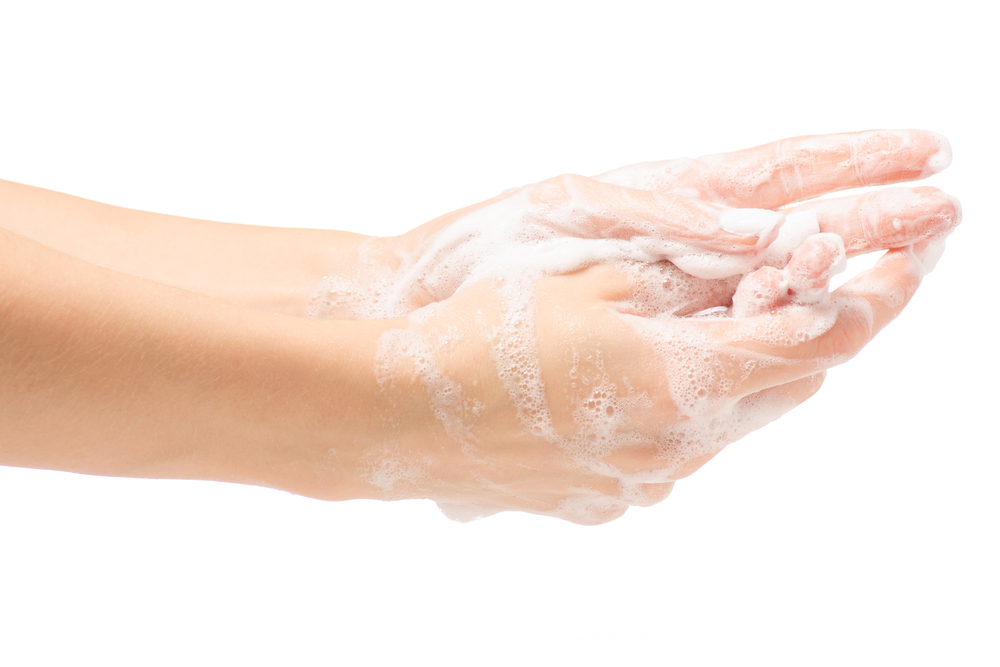
Washing the affected area is a recommended action that you should take after the poison ivy exposure. It’s important to wash the affected area promptly and thoroughly to help reduce the chances of developing a rash and remove the plant’s oils. According to Alberta, wash right away with plenty of water. You may want to use mild or liquid dish soap with warm running water. But remain cautious by avoiding scrubbing the affected area hard when you wash.
In other cases, you can thoroughly rinse the area with cool water to ensure all traces of oil and soap are removed. Don’t forget to gently pat the skin dry using a clean towel. To avoid further irritation, avoid rubbing the affected area for faster recovery. Moreover, to prevent re-exposure, remember to wash any tools, clothing, or other objects that may have come into contact with the poison ivy plant.
Avoid scratching
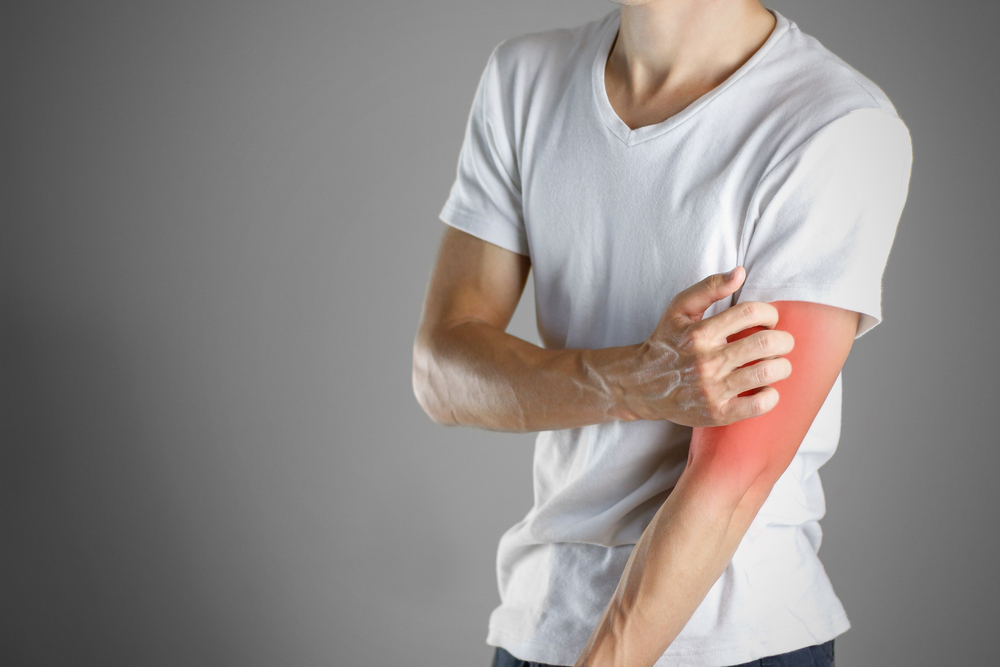
This is an important aspect of treating and managing poison ivy. Refraining from scratching the affected area can prevent further irritation, despite not being a direct treatment. Avoiding scratching can also promote faster healing and minimize the risk of infection. Scratching can potentially spread the rash to other parts of the body, can damage the skin, and increase inflammation.
Make sure to keep your nails short to minimize the damage due to scratching. Shorter nails can be less likely to cause additional irritation. Consider wearing gloves or using bandages to cover the affected area if the rash is on your hands and arms. This physical barrier can serve as a reminder to protect the skin and avoid scratching. Moreover, the cold temperature in applying cold, wet compresses or ice packs to the affected area can relieve the urge to scratch and temporarily numb the area.
Oral antihistamines
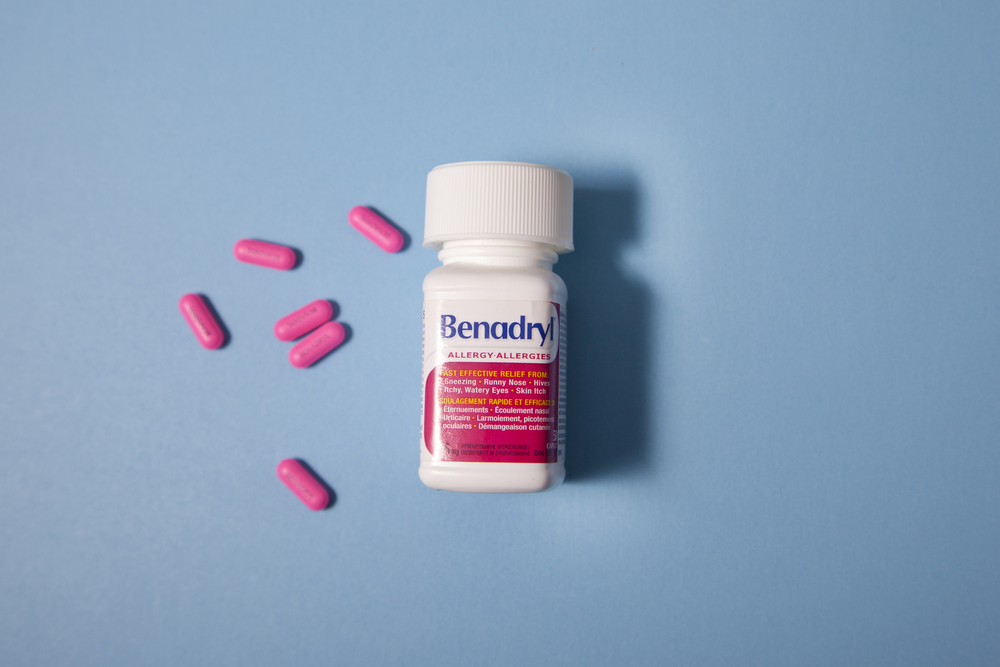
According to Krauss Dermatology, Allegra and Zyrtec are antihistamines that can help with symptom relief and don’t usually cause drowsiness. 1% hydrocortisone cream can improve mild itch when applied 2-3 times daily. In terms of oral antihistamines, these medications work by blocking the effects of histamine. This is a chemical released by the body in response to an allergic reaction.
Benadryl or Diphenhydramine is a first-generation antihistamine that can help reduce allergic reactions and relieve itching. You may experience drowsiness when you take this since it has sedative effects. Which is why it’s important to use caution when taking Diphenhydramine during the daytime. Remember, it’s always a good idea to consult taking oral antihistamines with a healthcare professional or pharmacist to ensure they’re suitable for your condition.
Systemic corticosteroids
In severe cases of poison ivy, systemic corticosteroids may be prescribed by your doctor to provide relief from symptoms. These medications are administered through infections or taken orally, which means they’re more potent than topical corticosteroids. These are typically reserved for severe cases, specifically when the rash is extensive. It covers sensitive areas such as the genitals or the face or when other treatments are ineffective.
It’s important to remember that systemic corticosteroids are prescription medications that should be taken under the supervision and guidance of a healthcare professional. This means that they’re only used for the recommended duration. The duration and dosage of systemic corticosteroids depend on the severity of the symptoms. When used for an extended period of time, these can have side effects such as weight gain, mood changes, increased appetite, elevated sugar levels, and increased blood pressure.
Antibiotics
Unless there’s a secondary bacterial infection present, antibiotics aren’t generally not used as a routine treatment for poison ivy. According to Mayo Clinic, your doctor might prescribe an oral antibiotic if a bacterial infection has developed at the rash site. Don’t use over-the-counter topical antibiotic creams in the context of taking antibiotics. This is due to the fact that they’re one of the primary causes of allergic dermatitis not caused by plants, and numerous bacteria are resistant to them.
Remember that you can only take antibiotics when it’s already prescribed by a healthcare professional. They’re not effective against the allergic reaction caused by poison ivy, but they’re specifically designed to target bacterial infections. It’s crucial to use antibiotics as directed because unnecessary use of them can contribute to antibiotic resistance.