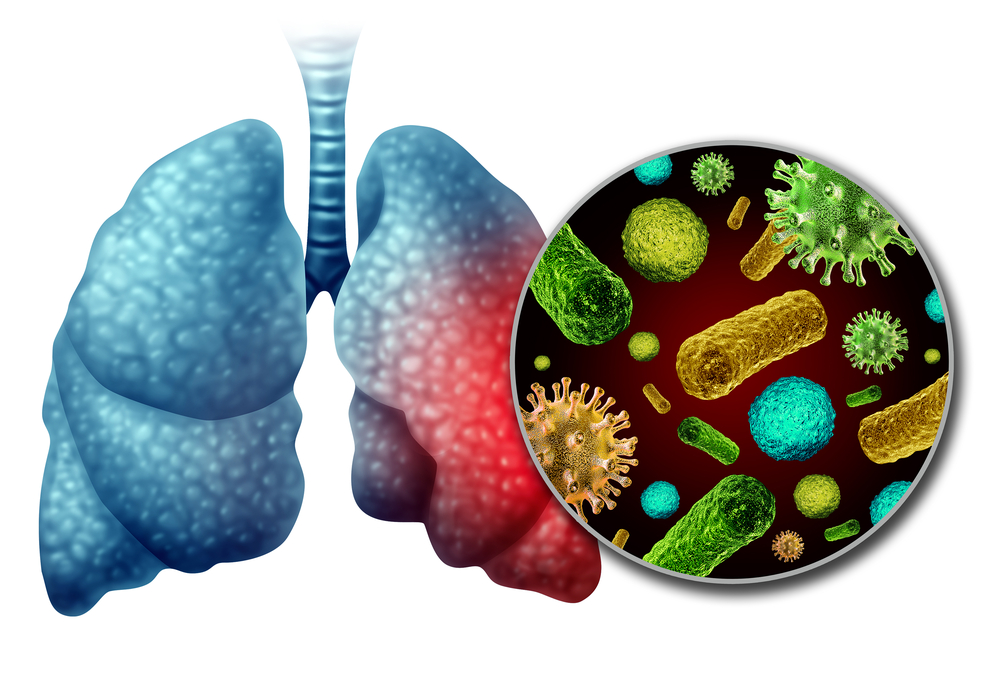
Confusion

Specifically in individuals with pre-existing health conditions or older adults, confusion can indeed be a symptom of pneumonia. The condition can also impact the supply of oxygen to the brain, aside from affecting the lungs and impairing respiratory function. In some cases, reduced oxygen levels or other physiological changes can lead to cognitive changes such as disorientation, delirium, and confusion when associated with the infection.
“Pneumonia-related confusion” or “pneumonia-associated encephalopathy” refers to the confusion associated with pneumonia. It’s more often observed in individuals with weakened immune systems and older adults. Pneumonia-related confusion can manifest as restlessness or agitation, difficulty concentrating or following instructions, memory problems or forgetfulness, disorientation to time, place, or person, altered perception of reality or hallucinations, and changes in behavior or mood.
Bluish tint of the lips and nails

While this isn’t a direct symptom of pneumonia, it can still be associated with the condition along with cyanosis. This occurs when there’s a decrease in oxygen levels in your blood. Cardiovascular or respiratory problems may lead to the result of cyanosis. Severe cases or complications could potentially lead to low blood oxygen levels in the context of pneumonia, which can lead to cyanosis. But it’s important to note that this is a relatively uncommon occurrence.
Cyanosis may be easier to see in your gums, nails, lips, and around your eyes if you have darker skin. Since blood vessels are exposed to cold temperatures, this may be the cause for you to have cyanosis. Your body parts and organs are kept warm by blood circulation. But the blood vessels in your ears, hands, and feet clam down to keep your body temperature normal when it’s very cold.
Loss of appetite

When you develop pneumonia, your body’s immune system can cause a decrease in appetite when it responds to the infection. Also known as anorexia, loss of appetite is common during different illnesses, including pneumonia. The infection and inflammation in the lungs can affect the person’s desire to eat and overall need when it leads to systematic effects.
In a 2017 study published in the National Library of Medicine, results show that appetite loss had a positive likelihood ratio of 3.2. This led to the conclusion that information on appetite loss improved the existing model performance for diagnosing community-acquired pneumonia (CAP) in the elderly. Additionally, what can further diminish your appetite when you have this condition is difficulty breathing, coughing, and chest pain.
Fatigue
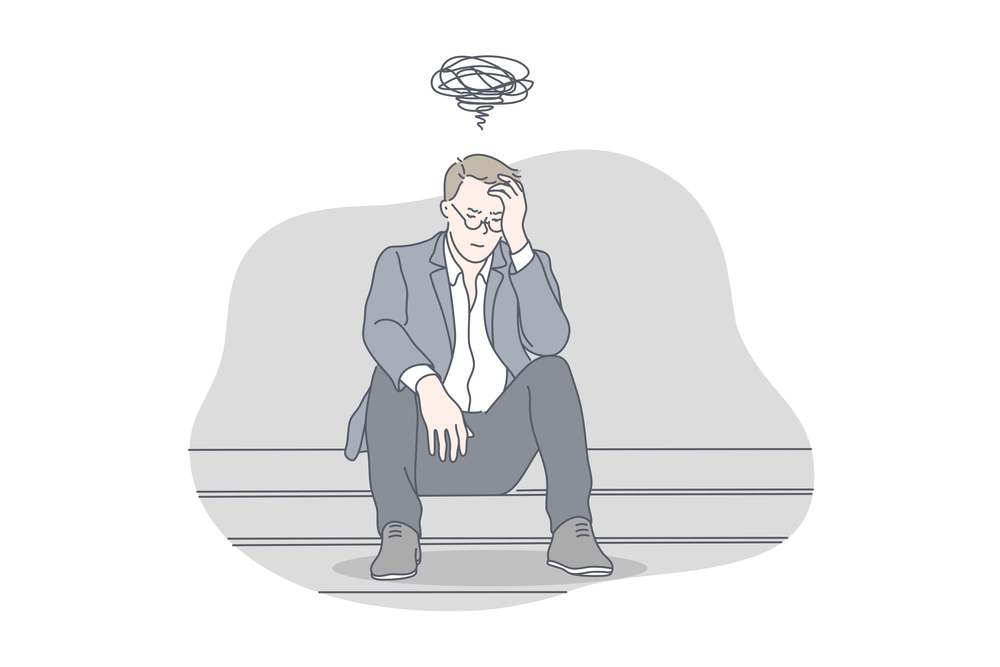
This is one of the most common symptoms of pneumonia. The body requires additional resources and energy to fight an infection like pneumonia. This can lead to a general feeling of tiredness and fatigue. Pneumonia having fatigue as a symptom can be attributed to several factors. Feelings of exhaustion can result from systemic inflammation caused by the immune response to the infection.
Increased metabolic demands can result from the body’s efforts to fight off the infection, further leading to fatigue. Moreover, this symptom can also occur when other symptoms can disrupt sleeping patterns, such as fever, coughing, and difficulty breathing. Fatigue can also be felt even after the diagnosis of this condition. According to the Washington Post, 65% of adult patients reported fatigue 30 days after diagnosis.
Sweating and shaking

Particularly when the body is experiencing chills or episodes of fever, sweating, and shaking can be associated with pneumonia. Your body can trigger an immune response that leads to the release of chemicals in the body when it’s fighting off an infection like pneumonia. The release of chemicals can include pyrogens, which can cause fever since they raise the body’s temperature.
When we talk about teeth-chattering chills, these aren’t the goosebumps you get when there’s a drop in temperature. Instead, they can always be a sign of pneumonia. These chills can be pretty intense, but they come by quickly. Teeth-chattering chills are usually accompanied by fever and may signal the development of bacteria in the bloodstream.
Rapid breathing

Medically known as tachypnea, rapid breathing can be a symptom of pneumonia. When the lungs are affected by infection and inflammation, it can lead to increased breathing rate and respiratory distress. The condition can cause alveoli or air sacs in the lungs to impair the exchange of carbon dioxide and oxygen when it fills with mucus, pus, or fluid. This can trigger the body to compensate by increasing respiratory rate when it leads to the result of increased carbon dioxide levels in the bloodstream and decreased oxygen supply.
In an adult, tachypnea is often defined as more than 20 breaths per minute. The number of breaths per minute in children can be a higher resting rate than in adults. When a newborn experiences tachypnea or rapid breathing, they may deal with chest retraction, bobbing of the head, grunting or other signs of labored breathing, flared nostrils, and chest retraction. If you frequently experience rapid breathing due to your condition, it’s important to consult your doctor right away for proper diagnosis and treatment.
Cough
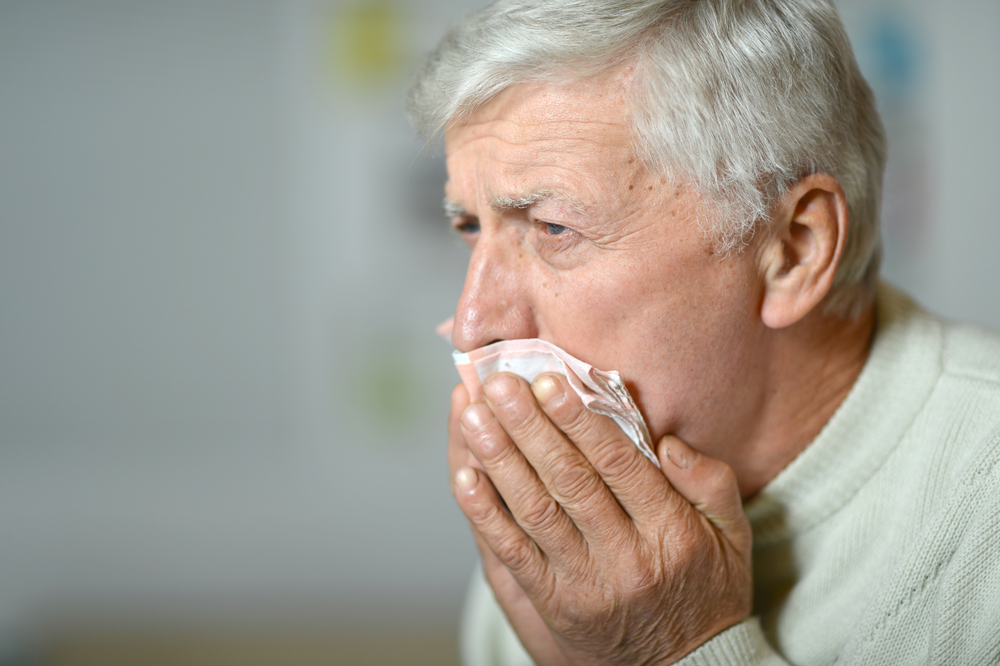
This is one of the hallmark symptoms of pneumonia. As a common respiratory symptom, this can also be present in different types of pneumonia, including fungal, bacterial, and viral pneumonia. The association of pneumonia with cough can manifest in several ways. It may begin as a dry cough, which can later develop into producing phlegm or mucus through a productive cough. Ranging from clear or white to yellow, green, or even bloody, in some cases, the color and consistency of phlegm will vary.
If you have a typical bacterial pneumonia, you may have a phlegm kind of a cough. In contrast, you may produce less phlegm if you have viral pneumonia. And you may not produce any at all if your immune systems aren’t working well. According to Dignity Health, a pneumonia-derived cough is classically blood-tinged if bacterial, and it’s also persistent and worsening.
Shortness of breath

When shortness of breath is associated with pneumonia, it can occur due to several factors. Fluid accumulation is the result when pneumonia causes inflammation in the alveoli or air sacs of the lungs. This can result in shortness of breath when it reduces the amount of available space for oxygen exchange. Lung tissues and their ability to expand and contract efficiently are reduced when the infection can cause these tissues to become less elastic. This can result in feelings of breathlessness since the infection can make breathing more challenging.
You may be unable to deliver enough oxygen to your blood if the infection compromises your lung function. Some people with pneumonia require supplemental treatments and oxygen to help them breathe. A tube might be inserted into the airway to help the person breathe in severe cases. Additionally, a child might have fingernails or nails that turn bluish with pneumonia, and when they have difficulty getting enough oxygen.
Chest pain

When chest pain is associated with pneumonia, it’s typically described as a stabbing or sharp sensation that worsens with sneezing, deep breaths, and coughing. When the inflamed lung tissue rubs against the chest wall during breathing, the inflammation can result in chest pain. In some cases, pneumonia can even cause pleurisy, the inflammation of the pleura surrounding the lungs. As the inflamed pleural surfaces rub against each other, this can lead to chest pain that worsens with breathing.
Coughing or labored breathing can exhaust the muscles, making it hurt to cough or breathe. In some cases, when your lungs are infected, you might have some pneumonia-related chest discomfort. In severe cases, pneumonia can also lead to heart attack due to chest pain as a potential symptom.
Fever

The inflammation and infection in the lungs can stimulate the release of chemicals called pyrogens in pneumonia. These pyrogens raise the body’s core temperature when they act on the body’s temperature-regulating center in the brain. The fever becomes the result of the typical response to pneumonia. Fever can range from mild to high in pneumonia, depending on the individual factors and the severity of the condition.
It’s important to note that an elevated body temperature is often associated with viral or bacterial pneumonia. But when a fever is absent, it doesn’t mean it rules out pneumonia. Hypothermia or a low temperature can also be a sign of bacterial pneumonia. And it’s possible to have an average temperature when you contract pneumonia.