Warm fluids and soups

The warm temperature of soups can help soothe the thin mucus secretions and nasal passages, making it easier for them to drain. Drinking warm soups or fluids keeps the sinuses and nasal passages moist to prevent them from drying out. Moisturized nasal passages can relieve sinus pressure and promote easier breathing.
Moreover, warm soups can help thin the mucus in the sinuses and nasal passages, making them easier to drain and less sticky. This can relieve pressure and alleviate congestion. The warmth from the fluids can provide relief from pressure and discomfort by having a soothing effect on irritated and inflamed nasal passages. Consider herbal teas or warm water when choosing fluids for sinus pressure relief. For warm soups, chicken soup is highly recommended to relieve congestion. Keep in mind that warm fluids should be used in combination with other appropriate remedies.
Acupressure
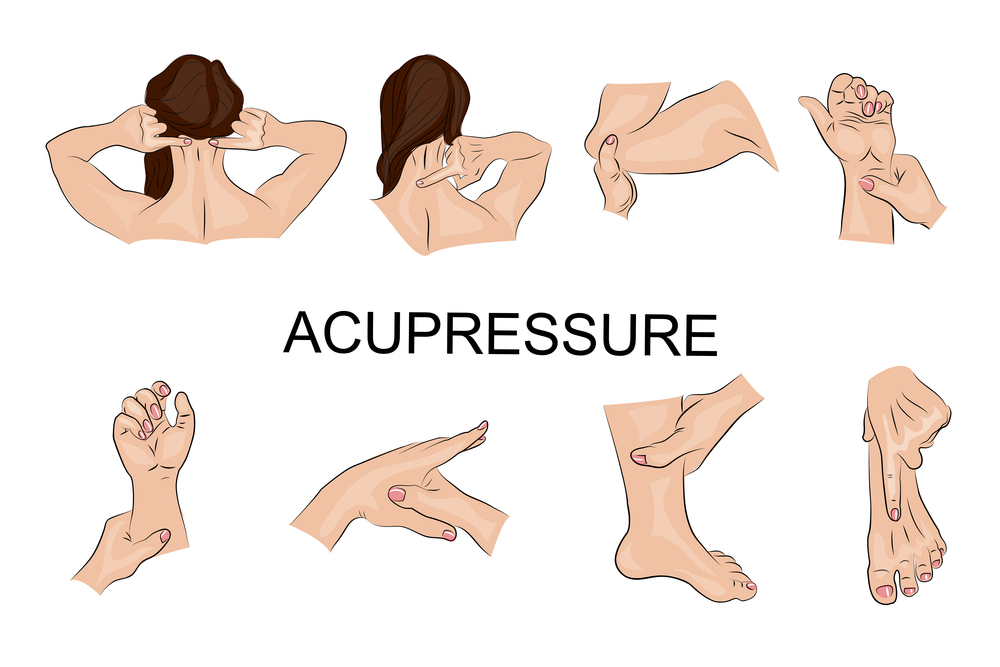
Acupressure is a technique that promotes healing and alleviates various symptoms by applying pressure to specific points in the body. Remember that the effectiveness of using acupressure on sinus pressure can vary from person to person. Several acupressure points associated with sinus relief are the facial sinuses (located on both sides and the nostrils) and the bridge of the nose.
According to INTEGRIS Health, applying acupressure for sinus pressure starts with using your index and middle fingers. Apply pressure near your nose between your jaw and cheekbones. Make sure to move your fingers in a circular motion toward your ears. Instead of using your finger, use your thumbs for a deeper massage, which should take 30 seconds to a minute.
Avoid allergens
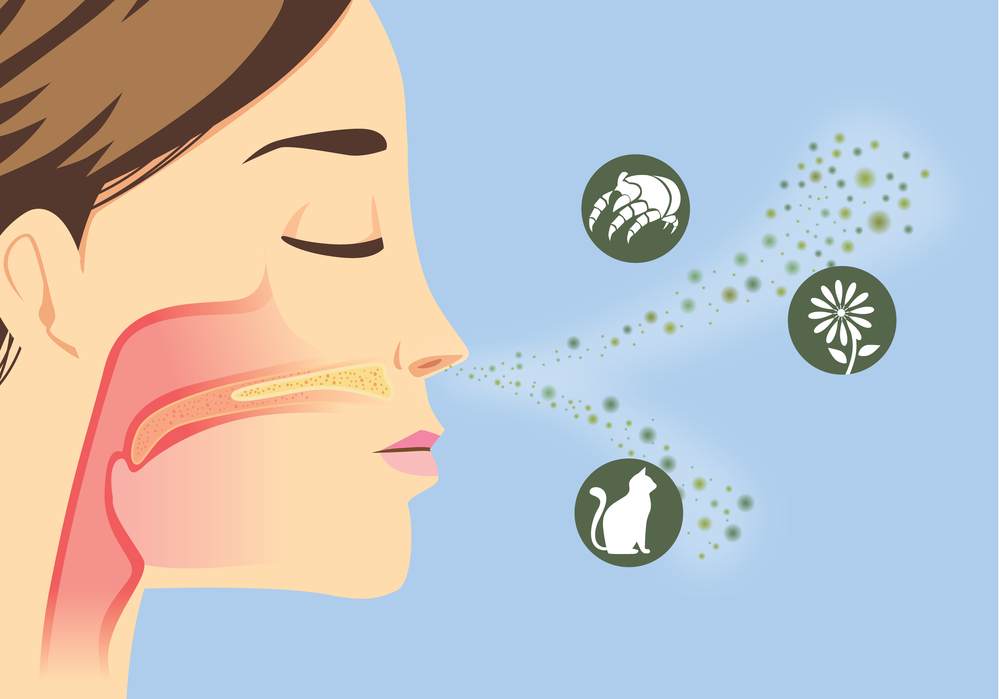
When allergies start contributing to the symptoms, avoiding allergens becomes essential to finding relief and managing sinus pressure. Which is why it’s important to determine the specific allergens that trigger your symptoms. Common allergens include mold spores, pollen, pet dander, dust miles, and certain foods. You may keep a journal or undergo allergy testing to identify the substances that increase the risks of your sinus pressure.
For mold spores, repair any leaks or water damage to keep indoor humidity levels low. Ensure proper ventilation in basements and bathrooms. Keep doors closed and stay indoors during peak pollen times or use air purifiers with HEPA filters. Try to limit your exposure to pets if you’re allergic to them by keeping them out of your bedroom. Make sure to also wash your hands after touching them. For dust miles, wash bedding regularly in hot water and use allergen-proof covers for mattresses and pillows.
Elevate your head while sleeping

According to Glatz Group, sleeping with your head propped up is best for sinus drainage problems and other sinus issues. This will help gravity to naturally drain your sinuses and reduce the chance of blood flow that’s excessive, which can develop sinus congestion.
To elevate while sleeping, place an extra pillow or two under your head. This elevated position helps prevent mucus from pooling in the sinuses, allowing it to drain more easily. Raise the head of your bed using risers or propping up the mattress using a wedge pillow if possible. Despite the elevation, ensure you can maintain a relaxed and comfortable sleeping position.
Avoid irritants

This is an important aspect of finding relief and managing sinus pressure. Nasal congestion and inflammation can be exacerbated when exposed to certain irritants, leading to increased sinus pressure. So if you smoke, make sure to reduce or altogether avoid smoking, for it can significantly improve such symptoms of sinus pressure.
Even perfumes and cleaning products can worsen sinus pressure and irritate the nasal passages. Opt for mid or unscented alternatives and ensure good ventilation in indoor spaces. Reduce your exposure to outdoor air pollution like vehicle exhaust, pollutants, and industrial emissions. Moreover, dry air can also irritate the nasal passages. So make sure to use a vaporizer or humidifier to add moisture to the air during dry seasons.
Drink plenty of fluids

Drinking plenty of fluids will help your body stay hydrated during a sinus infection, according to Medical News Today. You can aim to drink several glasses of water each day. Drinking any liquids that aren’t soda or coffee will also be beneficial. Staying hydrated helps to thin the mucus secretions in the nasal passages and sinuses, making them easier to drain.
Nasal passages and sinuses can become less dry or irritated when drinking fluids. Maintaining overall health must be done by promoting and applying proper hydration. This includes the health of your respiratory system and supports the immune system to prevent or manage sinus infections.
Saline nasal irrigation
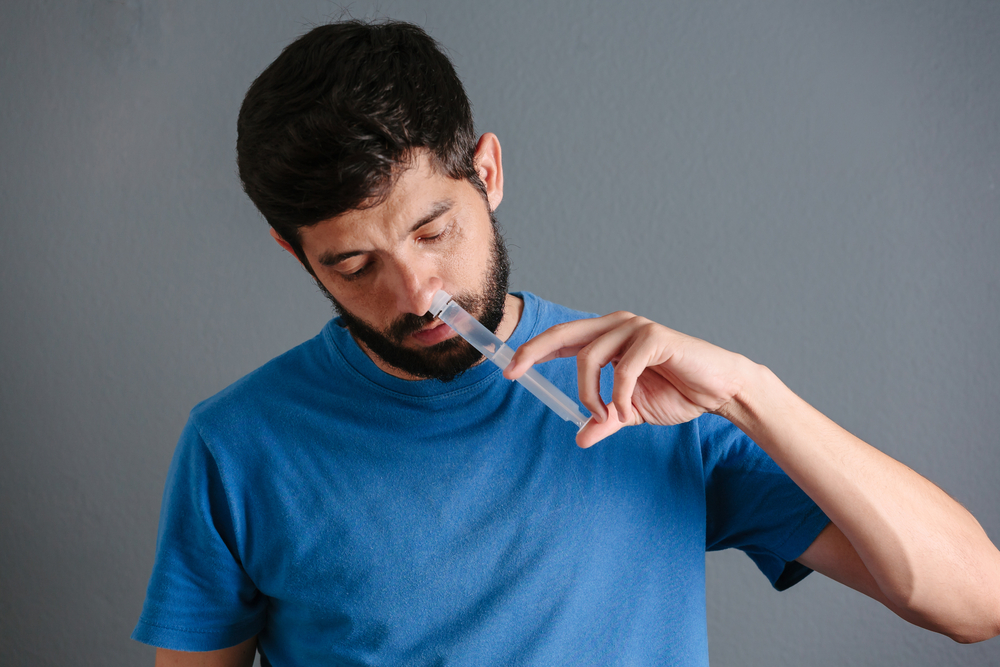
According to Alberta, saltwater washes such as saline lavage or irrigation help open the nasal passages by washing out dried or thick mucus. They are also beneficial in improving the function of cilia that help clear the sinuses. This will help stop an infection to reduce post-nasal drip and prevent it from spreading to the other sinuses. It will make your nose feel comfortable by giving moisture to the mucous membranes.
Saline nasal irrigation can be applied using a nasal irrigation device, squeeze bottle, or a neti pot. Using sterile or previously boiled water to prepare the saline solution is crucial to prevent contamination. Remember that saline nasal irrigation is generally well-tolerated and safe, but it can still not be suitable for everyone. So it’s best to consult a medical professional before starting saline irrigation.
Steam inhalation

Steam inhalation is an effective home remedy and is popular for sinus pressure relief. To help moisturize the nasal passages, loosen mucus, and alleviate ingestion, it involves inhaling warm and moist air. According to Medical News Today, boil water and pour it into a large bowl to start steam inhalation. Lean over the large bowl so the face is directly above the water. Breathe through the nose as you cover your head with a towel.
The warm, moist air from steam inhalation can help hydrate the nasal passages, reducing irritation and dryness. This can help soothe inflamed tissues and alleviate sinus pressure. Moreover, better airflow will be evident when inhaling the steam since it can temporarily open the airways. With all of that being said, it’s essential to exercise caution while performing steam inhalation to avoid accidents and burns.
Warm compresses
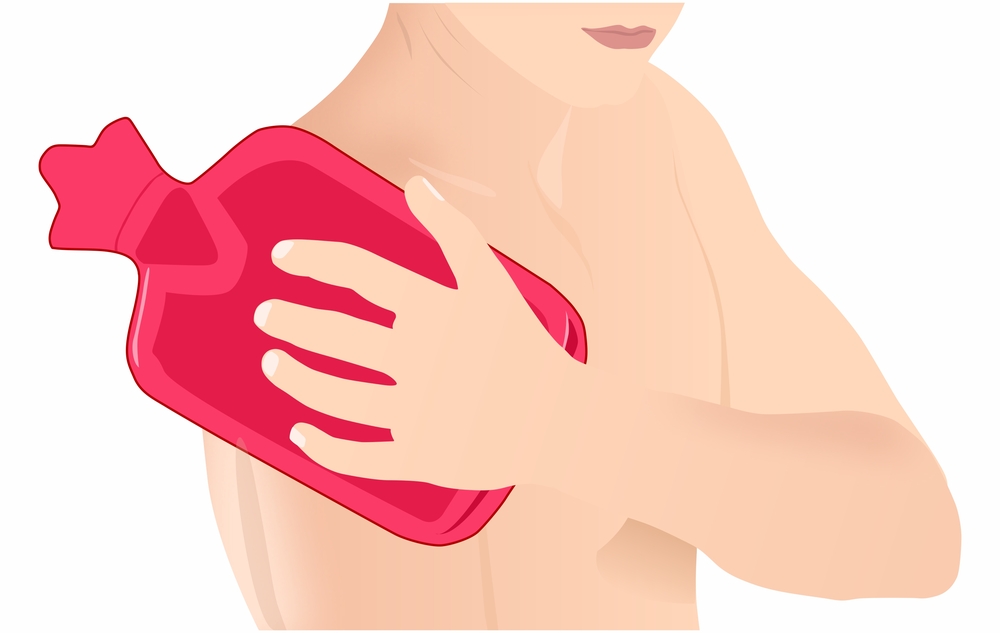
Applying a warm compress can help break up the mucus and alleviate the pressure when you have a sinus infection, according to Downriver Ent, P.C. Apply a warm compress like a washcloth to your face and allow it to sit for 10-15 minutes. Warm compresses work by reducing inflammation, promoting blood circulation, and easing congestion in the sinus area.
The warmth of the compress can have a relaxing effect on the facial muscles. This can help to alleviate any pain or discomfort associated with sinus pressure and promote overall comfort. When preparing the compress, make sure the water is comfortably warm but not too hot to avoid burns. But remember that warm compresses may not address the underlying cause of sinus pressure because they’re primarily a symptomatic relief measure.
Nasal decongestant sprays

Nasal decongestant sprays work by constricting the blood vessels in the nasal tissues, which can help to decrease congestion and swelling. Note that these sprays should only be used briefly, typically 3 to 5 days. Rhinitis medicamentosa or rebound congestion may be the result when the nasal passages become dependent on the spray for relief and become more congested when the spray is stopped.
Moreover, it’s important to carefully read and follow the instructions provided with the nasal decongestant spray. To avoid potential side effects and dependency, use the recommended dosage and frequency. But if you have underlying health conditions such as heart disease, high blood pressure, and thyroid problems, consult a medical professional before using decongestant sprays.
Over-the-counter pain relievers
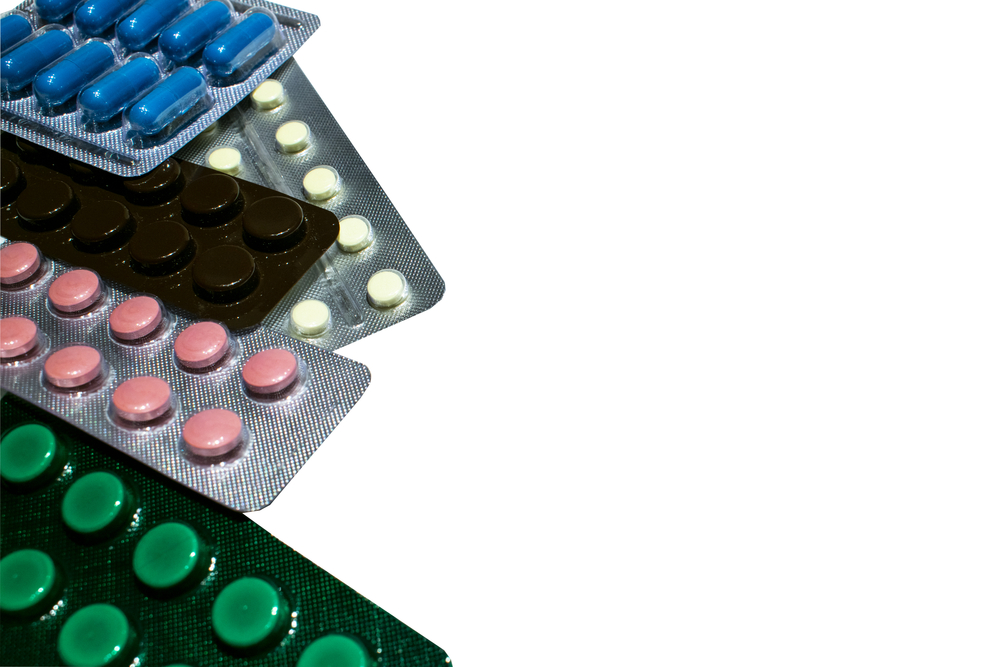
Medications such as analgesics or nonsteroidal anti-inflammatory drugs (NSAIDs) can help alleviate pain and reduce inflammation. Try pain relievers such as ibuprofen and acetaminophen to relieve headache and facial pain, as recommended by Alberta. These medications can help alleviate other symptoms associated with sinus pressure, such as facial pain or headache.
Remember that over-the-counter pain relievers only provide symptomatic relief and don’t address the underlying cause of sinus pressure. It’s advisable to consult with a healthcare professional if your symptoms persist or worsen for further evaluation and appropriate treatment options.
Humidifier
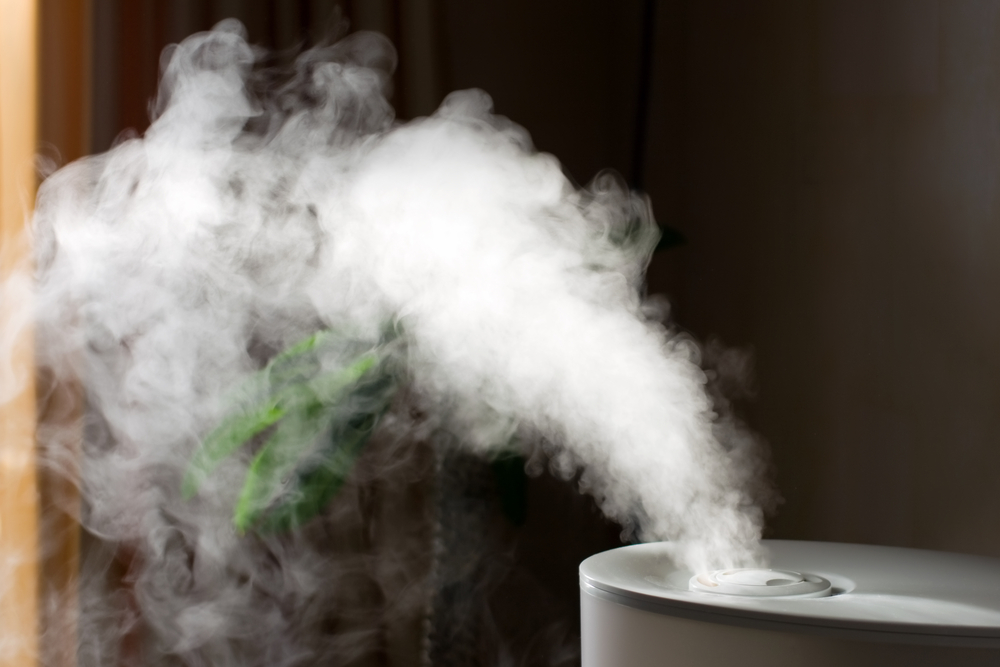
When using a humidifier for sinus pressure relief, clean the humidifier regularly to prevent the growth of mold, bacteria, and other microorganisms. Make sure to follow the manufacturer’s instructions for maintenance and cleaning. The use of filtered or distilled water in the humidifier can minimize the introduction of air impurities.
Make sure to set the humidity level to a comfortable range, approximately around 40-50%. This can avoid excessive moisture that will promote bacteria or mold growth. Be sure to place the humidifier in the room where you spend most of your time, like your bedroom, to ensure consistent moisture throughout the night.