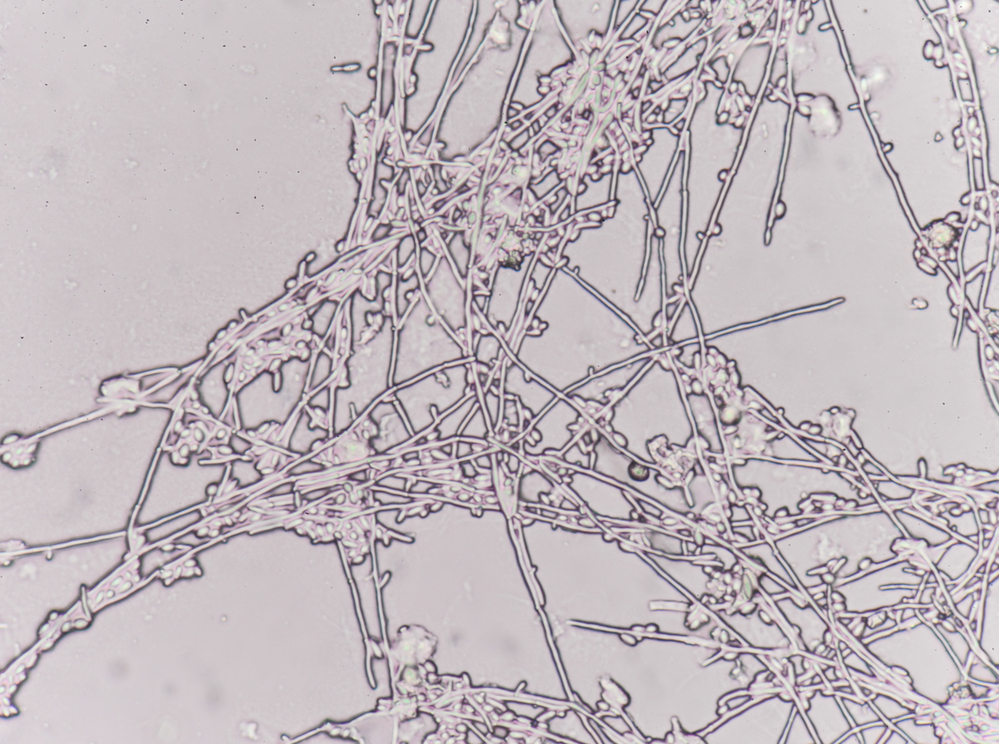
Weakened skin integrity
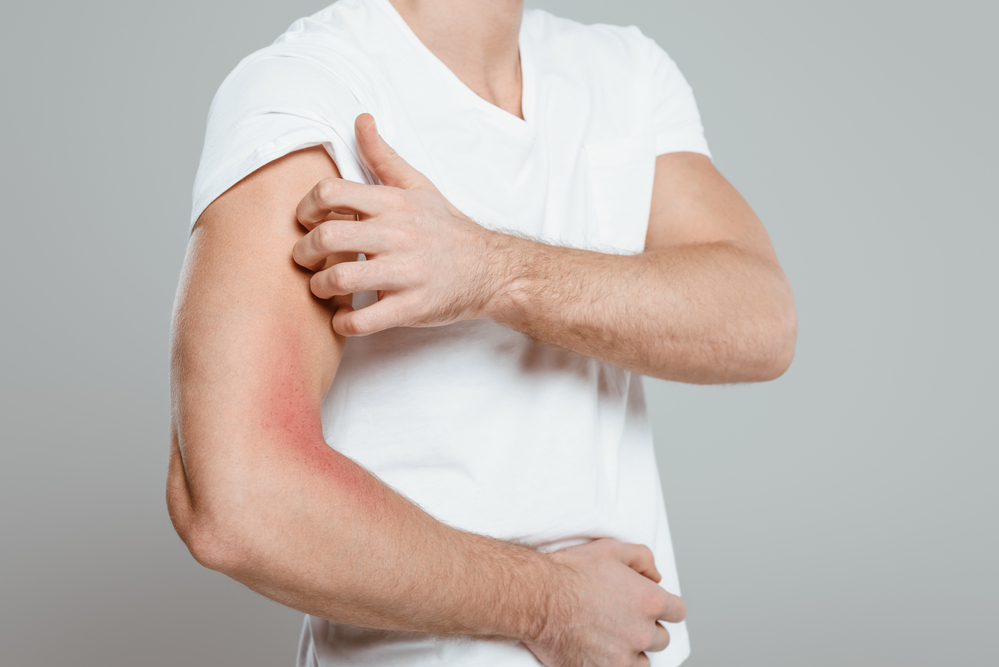
The skin acts as a protective barrier against invading microorganisms such as Candida fungi. The skin’s integrity allows yeast to cause an infection and invade when it’s compromised through cuts, irritation, and abrasions. The skin’s protective barrier is disrupted by any form of damage to the skin, whether it’s a skin condition like eczema, a scrape, or a cut. This can lead to an infection since this allows Candida fungus to penetrate the layers of the skin more easily.
Prolonged exposure to moisture or excessive moisture can weaken the skin, making it more susceptible to yeast infections. Areas of the body are particularly vulnerable when they’re prone to moisture buildup, such as under the breasts, skin folds, and the groin. For instance, individuals who wear wet clothing or sweat for extended periods may experience skin breakdown. This can provide an environment conducive to the overgrowth of the yeast.
Contraceptives
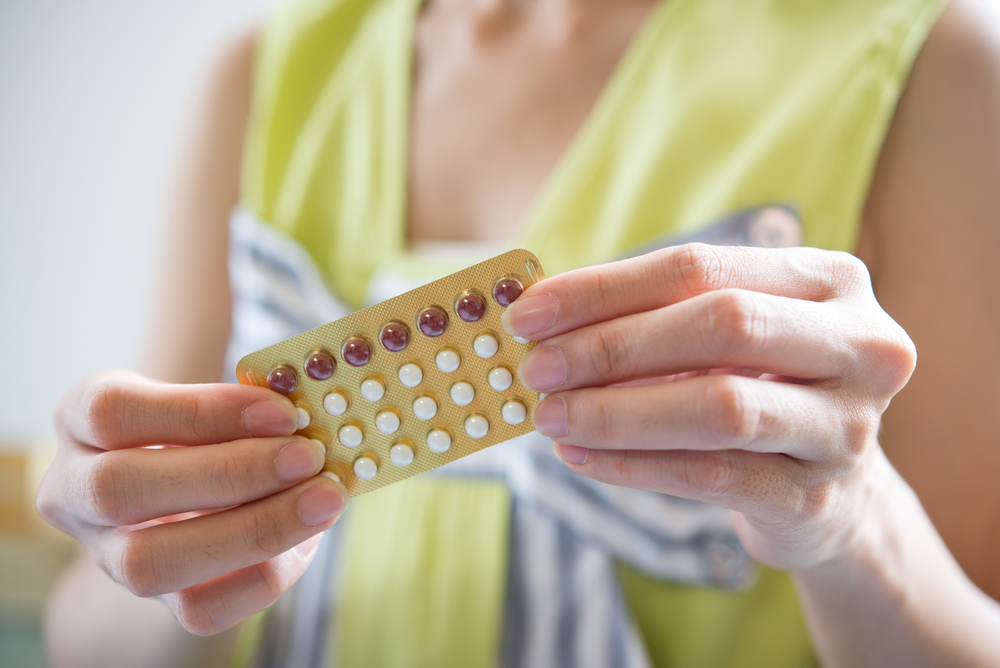
According to Healthline, while birth control doesn’t cause yeast infections, certain forms of hormonal birth control can intensify your risk of having a yeast infection. This is due to the fact that hormones in birth control can disturb the natural hormonal balance of your body. Birth control pills, hormonal intrauterine devices, or patches are hormonal contraceptives that can affect the hormone levels of the body since they contain synthetic hormones. Elevated estrogen levels or generally changes in hormonal balance can create an environment that promotes Candida fungi growth.
Estrogen and progestin hormones are an example of a combination of birth control pills. Specifically, estrogen has been associated with an increased risk of yeast infections in some individuals. It can increase glycogen production or alter the vaginal environment, potentially providing more nutrients for Candida to thrive. Mini-pills, hormonal IUDs, and implants are progestin-only contraceptives that can impact specific individuals, despite their less contribution to yeast infections than combination pills.
Sexual activity

Medical News Today says doctors don’t consider yeast infections STIs since sexual intercourse doesn’t directly cause yeast infections. But sexual activities like finger insertion, penile, or toy can introduce bacteria to the vagina. Another one from the Office on Women’s Health, there’s a huge possibility that you can get a yeast infection from your sexual partner. Dental dams or condoms may help prevent passing or getting yeast infections through anal or oral sex.
Moreover, sexual activity can sometimes cause allergic reactions or irritation in the genital area. This irritation can disrupt the natural protective barriers of the mucous membranes and the skin, making them more susceptible to developing a yeast infection. Some individuals can also have allergic reactions to particular types of lubricants, condoms, and spermicides.
Prolonged moisture
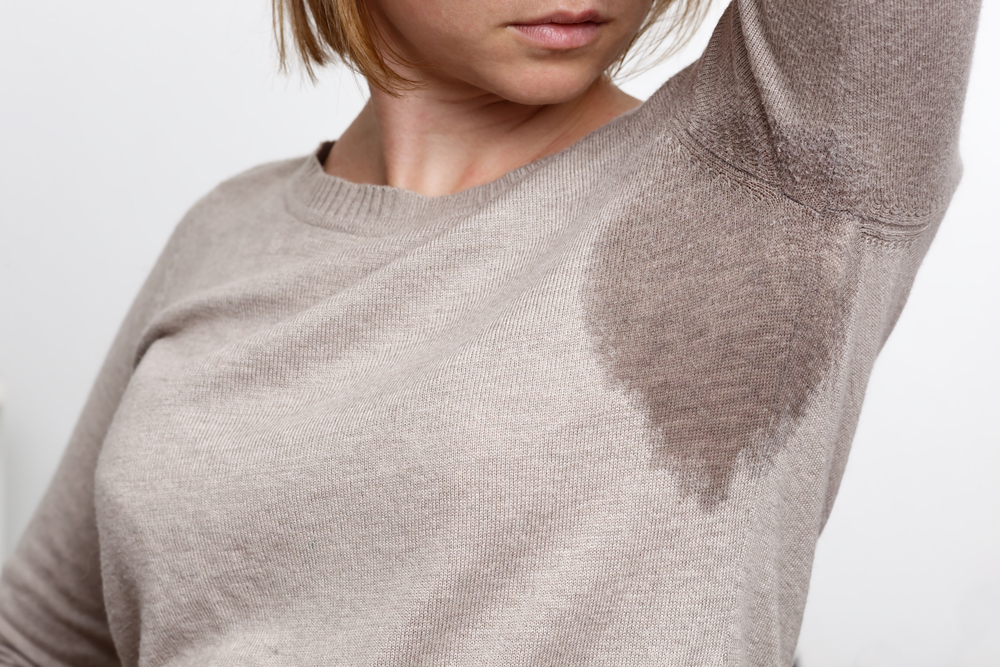
Candida fungi thrive in moist and warm environments. The moisture can create an ideal environment for yeast growth when it’s trapped against the skin for an extended period. Excessive sweating, particularly in areas such as the underarms, beneath the breasts, or the groin, can promote yeast growth since they can create a moist environment. Those living in hot or humid climates can also be more susceptible to yeast infections due to prolonged moisture.
Wearing wet or damp clothing like swimsuits for extended periods can also increase the likelihood of yeast infection. Which is why it’s advisable to change out of damp clothing immediately to ensure proper drying in order to minimize the risk of having a yeast infection. When you have urinary incontinence or excessive perspiration, you can experience prolonged moisture in certain areas, which can also increase yeast infection.
Tight clothing
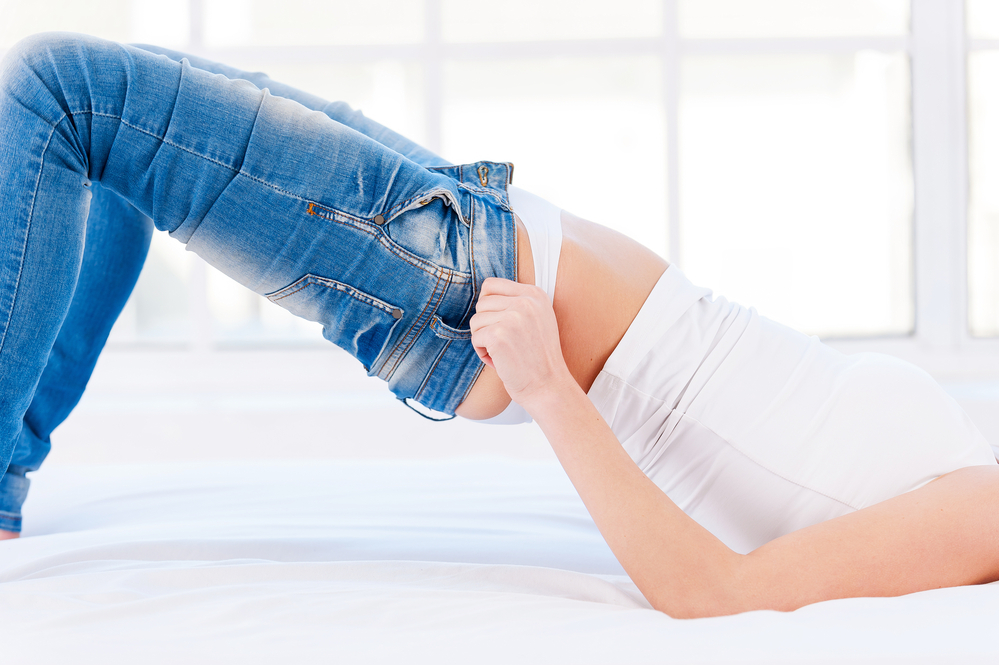
According to KidsHealth, clothing, specifically underwear that’s made of materials like nylon or that’s tight, can trap moisture and heat, which are more prone to yeast infections. A 1982 study published in the National Library of Medicine suggests that an individual can be exposed to an organism that can cause vaginitis known as candidiasis, due to wearing tight clothing. This can lead to increased humidity and warmth, creating an environment exposed to yeast growth.
Moreover, tight clothing can lead to small tears or microabrasions since it can cause friction and irritation against the skin. This can make the skin more vulnerable to Candida overgrowth since it can disrupt the natural protective barrier of the skin. Even impeded ventilation can be implanted on affected areas when clothing is tight and doesn’t allow proper airflow.
Antibiotics
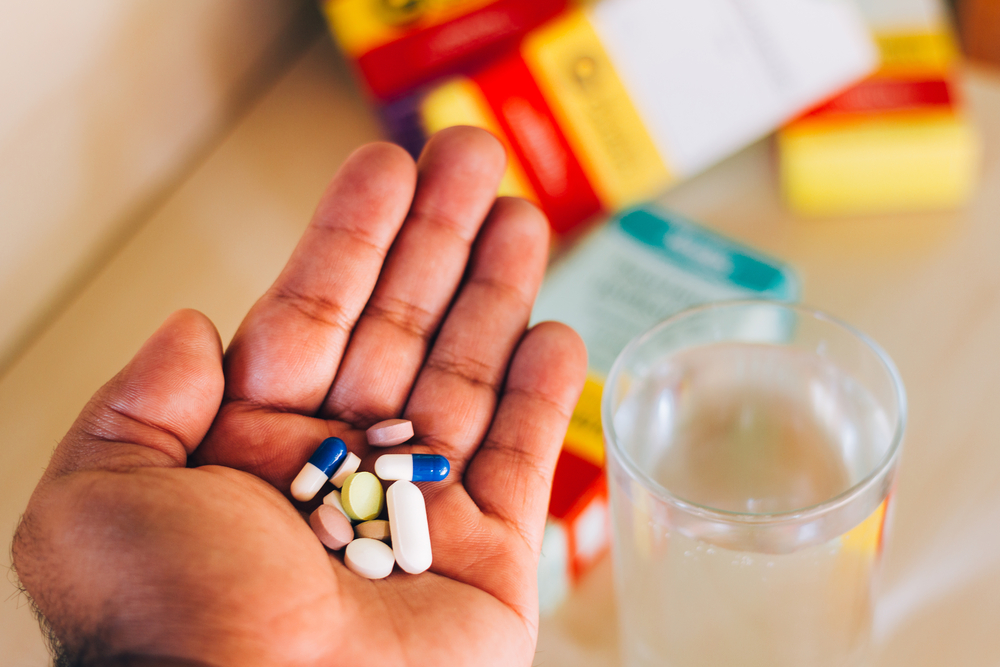
Medical News Today mentioned three broad-spectrum antibiotics that can increase the risk of a yeast infection: tetracyclines, quinolones, and broad-spectrum penicillins. Antibiotics can inadvertently disrupt the microorganisms and their natural balance in the body. This includes the beneficial bacteria that help keep Candida yeast in check.
As a beneficial bacteria, Lactobacillus species can play a crucial role in regulating Candida yeast growth. They help maintain a balanced microbial environment and compete with Candida for resources. They create an opportunity for the overgrowth of Candida since antibiotics can suppress these beneficial bacteria. Moreover, broad-spectrum antibiotics are certain antibiotics that are effective against a wide range of bacteria. They can lead to a higher risk of yeast infections despite being necessary in many cases since they can significantly impact the beneficial bacteria.
Hormonal changes

According to Healthline, hormonal imbalances are connected to yeast infections. People are prone to getting candidiasis if they’re around their period, on hormonal contraception, or if they’re pregnant. This is due to the fact that it disrupts the natural balance of progesterone and estrogen in your body. The overgrowth of Candida fungi is due to high levels of estrogen.
During the menstrual cycle, hormonal fluctuations can occur and can affect the vaginal environment. The increased levels of estrogen in the pre-ovulatory and ovulatory phases of the process can result in the vaginal epithelial cells and higher glycogen production. Glycogen can potentially lead to the development of yeast infection since it provides a food source for Candida yeast.
Diabetes
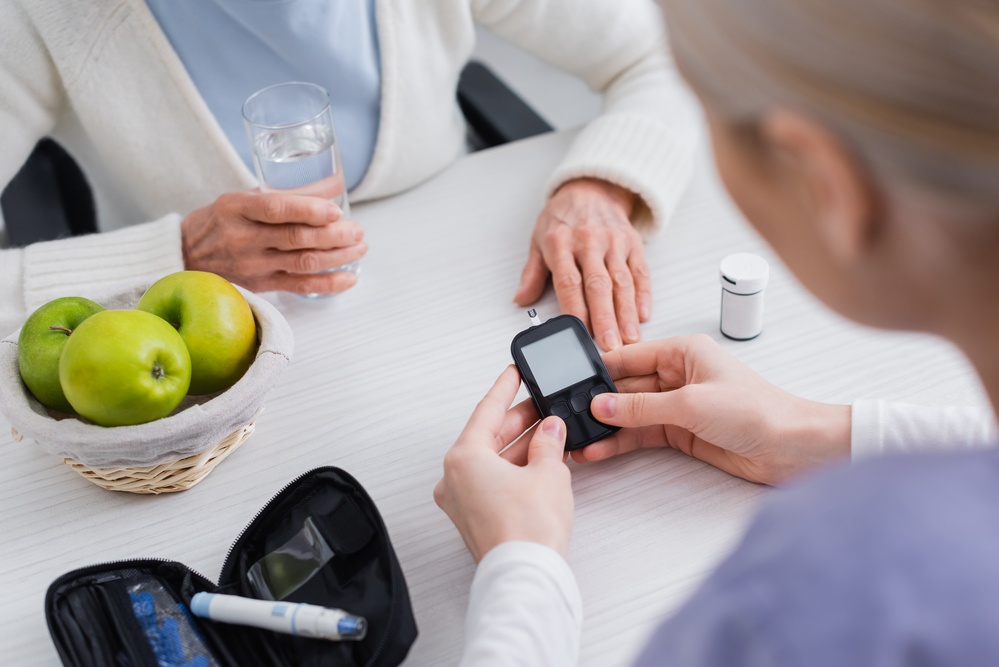
According to EndocrineWeb, yeast infections are more familiar to people with uncontrolled blood sugar levels. Jardiance, Steglaro, and Invokana are diabetes medications that are associated with a higher risk of yeast infections that can affect the groin. This can give the yeast a source of energy to grow since such medications lower blood sugar through the swamping of sugar in urine by the kidneys.
On the other hand, diabetes can impair the ability of the immune system to fight off infections effectively. The defense mechanisms of the body against yeast may be weakened when the immune system is compromised, making it easier for Candida to overgrow.
Weakened immune system

It’s important to note that the immune system can defend the body against pathogens, this includes Candida yeast. The immune system may struggle to mount an effective defense against Candida when weakened, allowing yeast to multiply. Moreover, cancer, chronic illnesses, and autoimmune diseases can weaken the immune system. These conditions can impair the body’s ability to fight off infections.
Chemotherapy, corticosteroids, and immunosuppressants are certain medications and treatments used to manage or suppress the immune system and can reduce immune function. They can increase the risk of infections since they diminish the natural defense mechanisms of the body. Even unhealthy lifestyle choices, poor nutrition, inadequate sleep, and chronic sleep can contribute to a weakened immune system. These factors will make the control of Candida growth less efficient, particularly when the immune system is compromised.
Poor hygiene
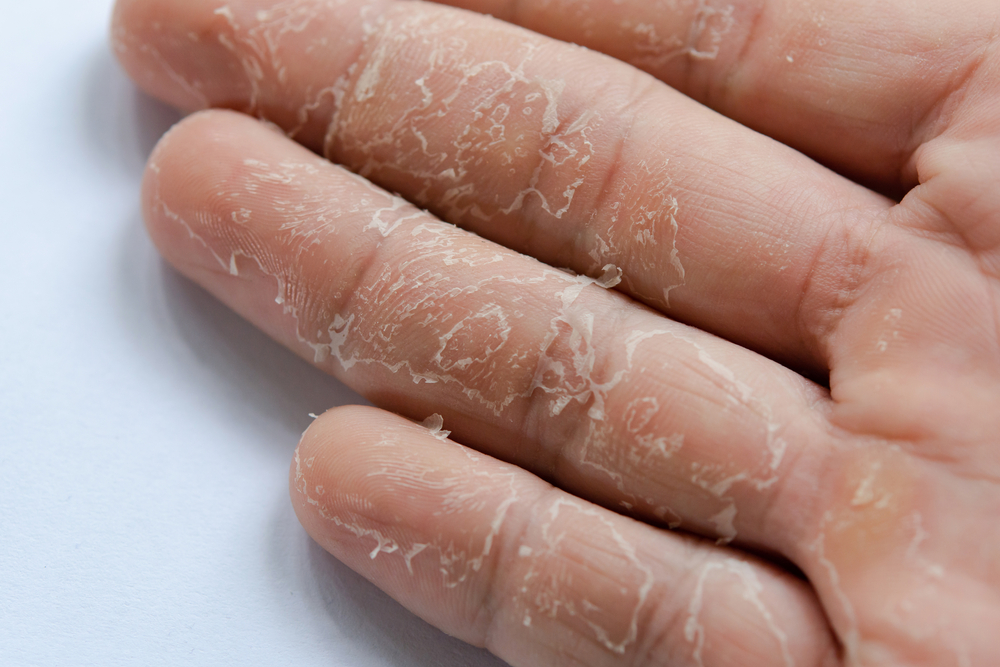
Failure to maintain proper cleanliness in affected areas, such as the genital region, can allow dead skin cells, sweat, and other debris to accumulate. Specifically for women, inadequate wiping after using the bathroom can allow fecal matter to come into contact with the vaginal area. This can disrupt the natural balance of microorganisms or introduce harmful bacteria. Even using feminine sprays, harsh soaps, and douches can disturb the delicate microbial environment and disrupt the natural pH balance of the vagina.
Therefore, it’s always essential to maintain good personal hygiene. Make sure to gently cleanse the genital area with unscented soap and warm water. Take regular showers or baths, then thoroughly dry the genital area. This will pay attention to areas where moisture tends to accumulate. Before wearing clothing or underwear, ensure the area is completely dry.