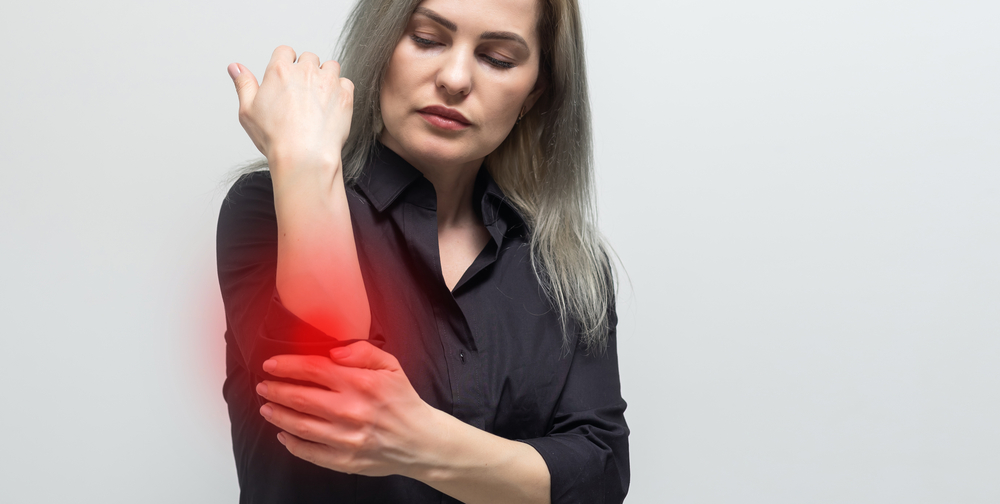
Brittle nails
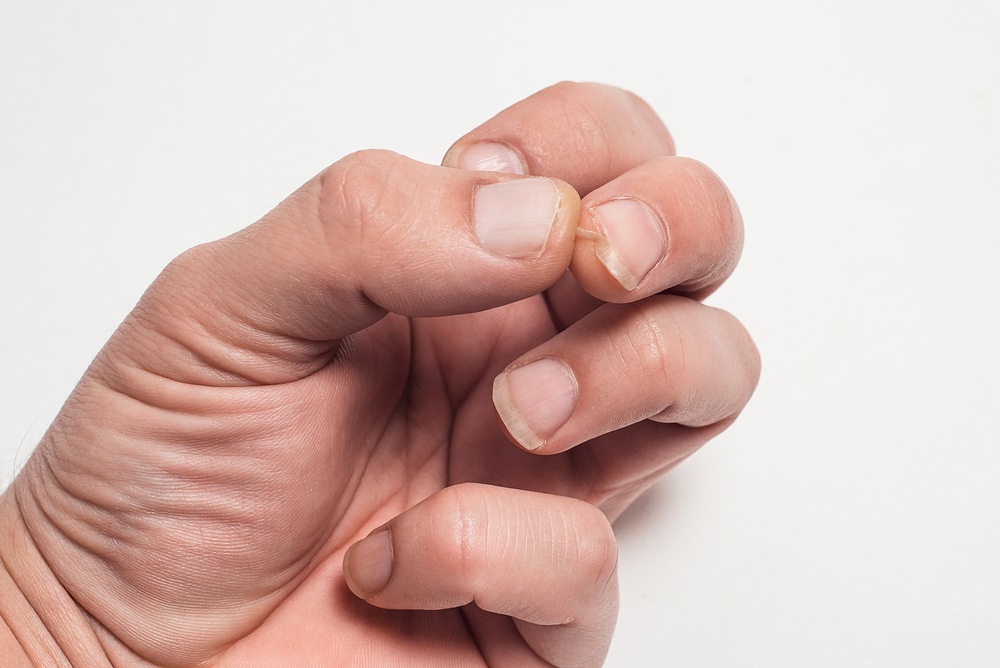
If you’ve constantly been complaining that your brittle nails can break easily or chip, it could be the occurrence of disulfide bonds in your nails that need to be strengthened because they continue to be vulnerable. Both bones and nails have disulfide bonds that cause proteins to stick to one another, according to Medanta.
Keratin is hardened protein cells implanted on nails, while bones consist of collagen protein. Moreover, vertical ridges on your nails or weak nails can also be an indicator that you need to increase calcium in your diet.
Increases susceptibility to fractures
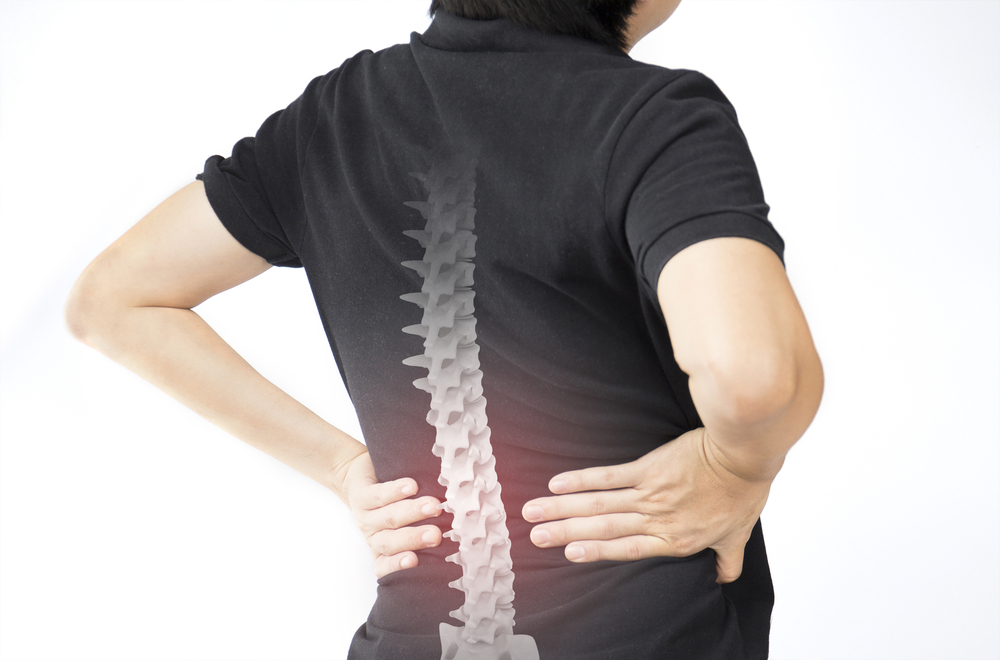
According to Web MD, the first sign your bones are getting weak is often a break. Many people don’t even know that they have a fracture or a series of fractures in their spine. It’s important to see your doctor if you have symptoms of a spinal fracture. Such symptoms include loss of height, back pain when twisting or bending, curved or stooped shape to your spine, and sudden and severe back pain.
Characterized by lower bone density, this can make individuals more susceptible to fractures, unlike those with normal bone density. Bones become weaker and more prone to fractures with decreased bone density, specifically with minimal impact or trauma. Reduced bone density that includes osteopenia or osteoporosis is indicated by fractures specifically in the wrist, hip, or spine.
Poor posture

Poor posture may not be a direct symptom of osteopenia but can be associated with the condition. Osteopenia can contribute to the development of certain abnormalities, such as kyphosis or certain postural changes. Kyphosis can result in a hunched or rounded posture since it’s an excessive forward curvature of the upper spine.
This can occur due to weakened bones, including vertebrae affected by osteopenia or osteoporosis. Verbal compression fractures can occur due to the loss of bone density in the spine. This occurrence can lead to the development of poor posture. But it’s important to remember that aside from bone density, poor posture can have various causes, such as prolonged sitting, muscle imbalances, and inadequate ergonomics.
Tooth loss
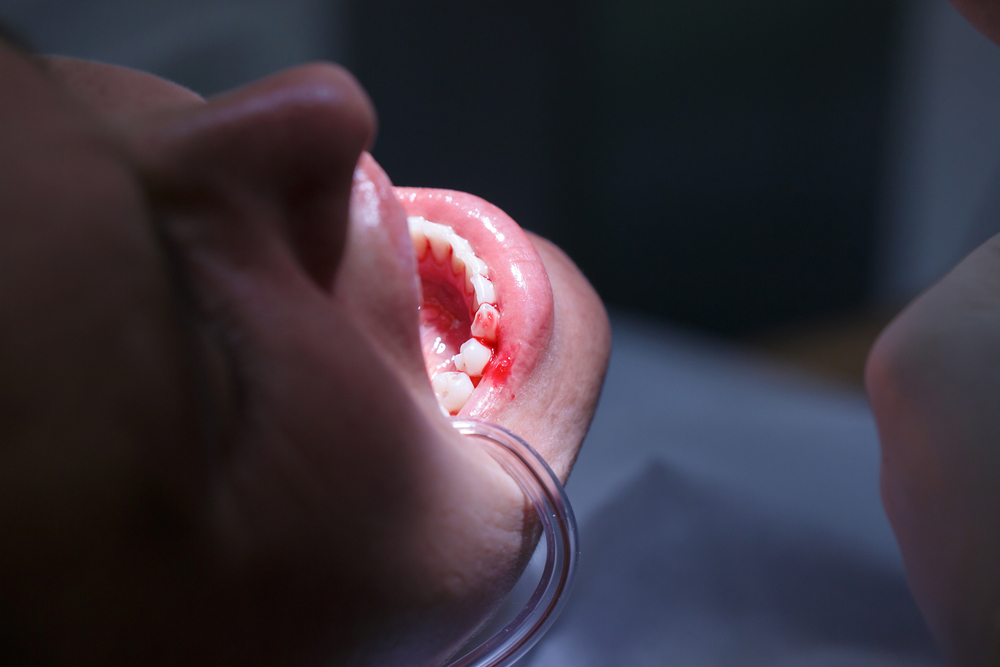
According to a previously unpublished study from the Journal of Periodontology, results show that the severity of osteopenia is connected to tooth loss and the loss of alveolar crest height in postmenopausal women. However, the literature on this relationship is still limited. Which is why points are still needed for additional studies to evaluate the influence of such factors to further define the relationship between periodontal disease and low bone mineral density in larger populations.
Tooth loss is often associated with oral health issues rather than its direct relation to osteopenia, despite having a link between overall bone health and dental health. Maintaining good hygiene and regular check-ups is vital to prevent tooth loss and keep robust teeth. If tooth loss continues to occur, consult your dentist or medical practitioner right away for diagnosis and treatment.
Back pain
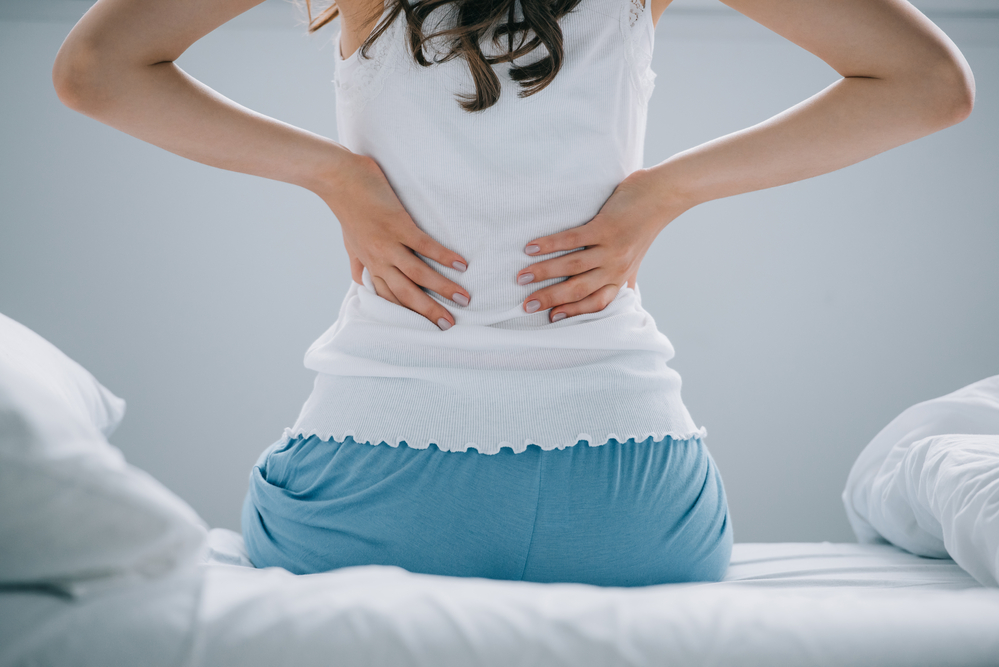
If vertebral compression fractures cause it, back pain can be associated with osteopenia. Bones are more susceptible to fractures when the bones in the spine become weakened due to low bone density, which can lead to back pain. When the vertebrae in the spine become compressed or collapsed, vertebral compression fractures can occur. Depending on the severity of the fracture, it can lead to localized back pain that may be acute or chronic.
The pain may worsen with standing, activities, and movement that strain the spine. Back pain is common for people who have osteopenia. Because it will be more difficult to support the body when the spine loses its bone density. The body struggles to hold itself up without strong spine support to sit or walk in an upright position.
Recurring fractures
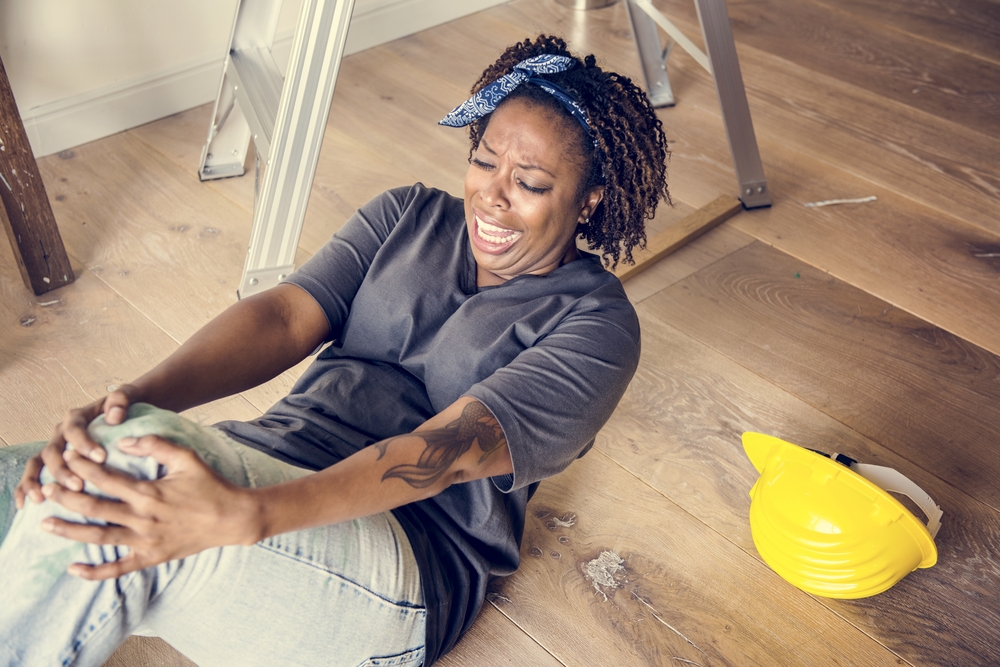
It’s important to note that recurring fractures are more commonly associated with osteoporosis despite it being associated with osteopenia. The risk of fracture increases as the condition progresses when osteopenia is already characterized by lower-than-normal bone density. Recurrent fractures can be a sign of underlying bone density issues despite a single fracture not being indicative of osteopenia.
According to the Journal of Osteoporosis and Physical Activity, people with osteopenia may experience recurrent fractures, specifically in the hips, spine, and wrists. However, it’s important to remember that osteopenia is just one potential factor for recurrent fractures. Falls, accidents, trauma, and other medical conditions affecting bone health are some factors that can contribute to fractures.
Height loss

Height loss is one of the most general symptoms of osteopenia. Most people lose an average of one inch in their height as they age. But a hidden bone density problem may occur when a person loses more than an inch. An indication that your spinal bones are collapsing is a loss of more than 1.5 inches of height.
When multiple vertebral fractures occur, the spine may progressively curve. This can lead to a hunched or stooped posture known as the dowager’s hump” or kyphosis. As the compressed or collapsed vertebrae reduce the overall height of the spine, the loss of height occurs gradually.
Reduced grip strength
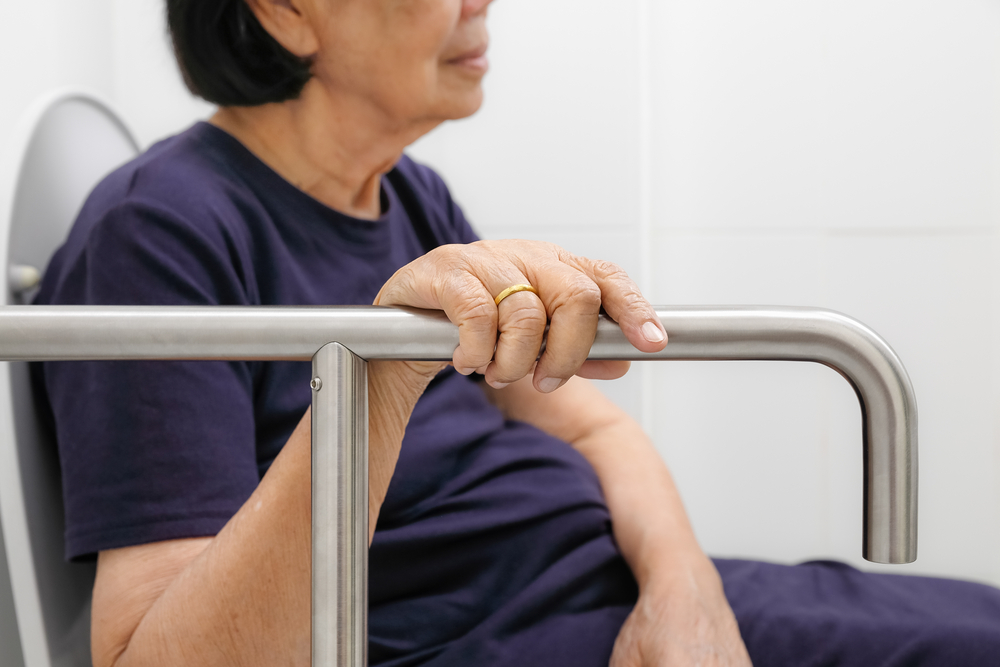
A study was published in the National Library of Medicine to investigate the cutoff values and prevalence for osteopenia and osteoporosis according to the muscle mass associated with sarcopenia and level of grip strength. The prevalence of osteopenia increased by 1.593 in the lowest grip strength group and 1.810 times in the lowest muscle group. This concluded that the prevalence of osteopenia was increased in elderly women with low muscle mass and grip strength.
Decreased grip strength can also occur as a result of various factors such as neurological conditions, muscle weakness, age-related changes, and other musculoskeletal disorders. It’s advisable to consult with a healthcare professional if you have concerns about your bone health or if you frequently experience reduced grip strength.
Bone pain
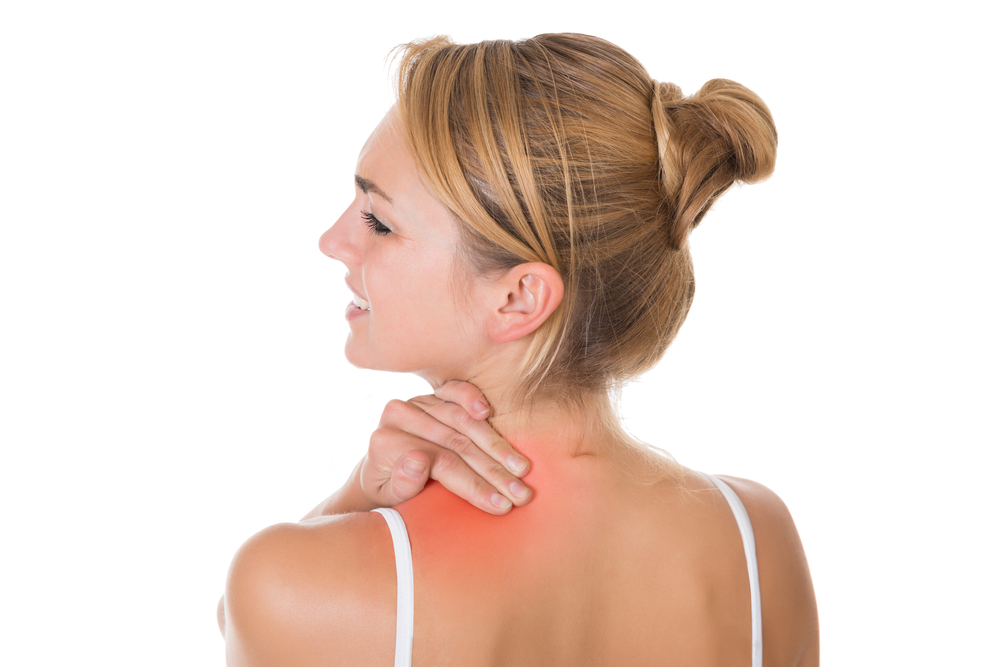
In rare cases, some people with osteopenia may experience bone weakness or pain. This condition is often detected when an individual has a BMD screening, according to Cleveland Clinic. Moreover, some may experience muscle and bone pain, specifically in their back. A collapsed vertebra may sometimes cause severe pain, spinal deformity, and a decrease in height.
But it’s important to keep in mind that bone pain can occur as a result of particular underlying conditions that can coexist or contribute to osteopenia. These conditions may include fractures, osteoporosis (progressive bone loss), arthritis, inflammation of the bones or joints, or other musculoskeletal disorders.