Numbness and tingling

In some individuals, numbness, and tingling can be possible symptoms of gluten intolerance or non-celiac gluten sensitivity (NCGC). According to Healthline, this surprising symptom is often referred to as neuropathy. This involves numbness or tingling in your legs and arms. It’s important to note that this symptom often occurs in individuals with vitamin B12 deficiency and diabetes.
It’s not fully understood gluten sensitivity’s exact mechanism on how it affects the nervous system. But it’s believed that gluten consumption triggers particular inflammatory responses that can contribute to the dysfunction of susceptible individuals or nerve damage. Nevertheless, numbness and tingling can also be caused by other conditions like nerve compression and nutritional deficiencies.
Mouth ulcers

Also known as canker sores, mouth ulcers are small, painful sores that can develop in the inner cheeks, gums, or tongue. According to Gluten Free Society, canker sores are common and constantly found in the mouth. This condition is referred to as Recurrent Aphthous Stomatitis (RAS). These canker sores can be connected with immune defects, inflammatory syndromes, and disorders affecting the GI tract.
It’s believed that mouth ulcers may occur in people who have a gluten intolerance when gluten consumption triggers the inflammatory response in some individuals. The inflammation will eventually lead to the development of these painful ulcers since it can affect the mucous membranes of the mouth.
Autoimmune disorders

According to the Institute For Functional Medicine, non-celiac gluten sensitivity is considered an immune system-related disease in a 2018 narrative review. NCGS is said to be linked to autoimmune diseases that have been investigated and hypothesized. Psoriasis, dermatitis herpetiformis, Hashimoto’s thyroiditis, and rheumatologic diseases are the most frequently mentioned autoimmune diseases associated with NCGS.
Moreover, the NCGS clinical presentation noted that innate immunity activation may trigger the inflammatory response. However, it’s essential to remember that autoimmune disorders are a different category of conditions where the immune system mistakenly attacks the body’s own tissues. So if someone has an autoimmune disorder, it doesn’t necessarily mean they also have gluten intolerance.
Weight loss or weight gain

These can be both potential symptoms of gluten intolerance, but the specific impact will still vary from person to person. Some individuals might have difficulty losing weight, while others may experience unexplained weight loss. For weight loss, gluten intolerance can lead to malabsorption of nutrients due to inflammation or damage in the small intestine in some cases. This malabsorption can lead to weight loss due to a deficiency of essential nutrients. This can also sometimes lead to nutrient deficiencies like folate, iron, or vitamin B12.
On the other hand, one reason for some individuals experiencing weight gain is related to inflammation caused by gluten sensitivity. Inflammation can result in weight gain since it can affect the body’s metabolic processes. Moreover, people might turn to gluten-free processed foods when they have gluten intolerance. These processed foods can be unhealthy fats, high in calories and sugars, which can contribute to weight gain.
Iron deficiency anemia
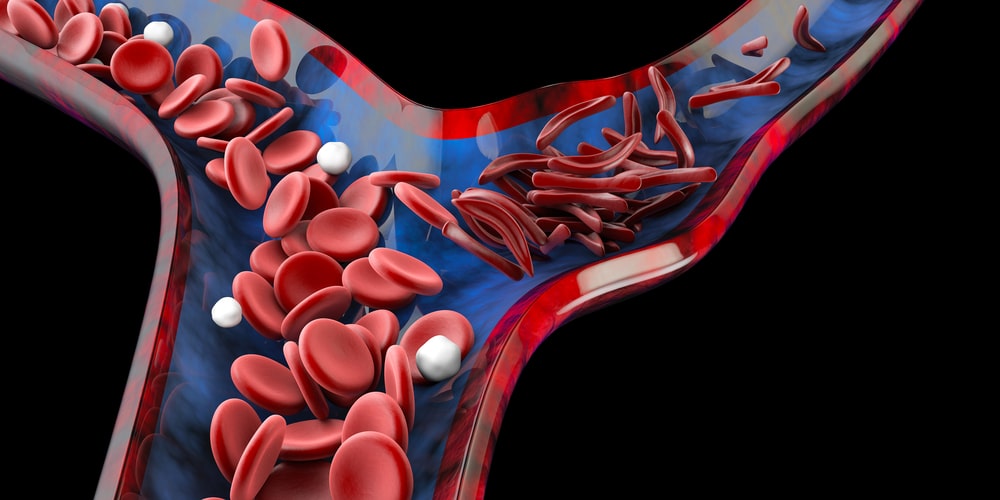
According to Bonner General Health, iron-deficiency anemia can be caused by gluten intolerance. This, in turn, causes a lack of energy and more tiredness. The inflammation and damage in the small intestine may affect the lining responsible for absorbing nutrients caused by gluten sensitivity. This includes iron from the food we eat.
Iron deficiency anemia can be the result when the absorption of iron is impaired. This condition is characterized by red blood cells in the blood and low levels of hemoglobin. Symptoms such as pale skin, dizziness, fatigue, and shortness of breath may occur due to iron deficiency anemia.
Abdominal pain

When individuals consume foods containing gluten while having a gluten intolerance, it can trigger an adverse reaction in their digestive system. This can lead to gastrointestinal symptoms such as discomfort and abdominal pain. Take note that abdominal pain in gluten intolerance can vary in location and intensity. Some people may have more severe and persistent pain, while others may experience mild discomfort.
The pain may involve the entire abdomen since it can be localized to the stomach area. However, abdominal pain can also be caused by other gastrointestinal conditions aside from gluten. It’s essential to consult with a healthcare provider for proper diagnosis and evaluation if you’re experiencing recurrent or severe abdominal pain.
Bloating

This is a common symptom of gluten intolerance. According to the Wake Endoscopy Center, you may have gluten intolerance if you notice a pattern of your stomach being full of gas or feeling swollen after digesting products, including wheat. Factors such as changes in the gut microbiota and inflammatory responses can affect how the digestive system processes food.
Moreover, this can lead to the sensation of discomfort and bloating due to an accumulation of gas in the intestines. Bloating in gluten intolerance can vary in duration and severity. After consuming gluten-containing foods, some people may experience mild bloating, while others may experience persistent bloating.
Diarrhea or constipation

According to Medical News Today, diarrhea and constipation are common symptoms for those who report gluten intolerance. Experiencing digestive issues on most days can show an underlying condition. Some individuals with gluten intolerance may experience recurrent episodes of diarrhea after consuming gluten-containing foods.
The inflammation and damage to the lining of the small intestine can result in loose and watery stools due to gluten sensitivity leading to malabsorption of nutrients and water. On the other hand, where bowel movements become difficult to pass or infrequent, some people with gluten intolerance can experience constipation. This can be related to the inflammation slowing down the movement of stool through the intestines and affecting the digestive process.
Nausea and vomiting

It’s believed that the inflammatory response and changes in the gut that occur in response to gluten digestion is the mechanism by which gluten triggers nausea and vomiting in some individuals. Vomiting is the forceful expulsion of stomach contents through the mouth. While nausea is a feeling of sickness or the urge to vomit.
Both symptoms can be uncomfortable and distressing, and they may occur shortly after a delay of a few hours or after eating gluten-containing foods. It’s essential to seek help from your doctor if you’re experiencing severe and persistent nausea and vomiting.
Fatigue

According to Mitchell Medical Group, it’s clear that you have gluten sensitivity if you have chronic fatigue. A holistic doctor can offer advice about dietary changes that could fight chronic fatigue and can determine how nutrition could be triggering your symptoms. Studies show that 60-82% of people with gluten intolerance encounter extreme levels of fatigue and tiredness, according to Kent Healthcare Products.
Gluten associated with fatigue can be related to changes in the gut triggered by gluten in susceptible individuals. Such changes can disrupt gut function and affect nutrient absorption, leading to systemic symptoms like fatigue. Gluten intolerance can also cause other gastrointestinal symptoms like diarrhea, abdominal pain, and bloating, contributing to fatigue.
Headaches

After consuming foods containing gluten, some individuals with gluten intolerance may experience recurrent headaches or migraines. It’s believed that immune responses and inflammation triggered by gluten consumption can lead to brain chemistry and changes in blood flow, contributing to the development of a headache.
Gluten-related headaches, in some cases, may be related to the body’s response to gluten. While in others, additional factors like nutrient deficiencies and dehydration might trigger gluten-related headaches. But it’s important to remember that headaches can also be caused by other medical conditions unrelated to gluten.
Joint and muscle pain

According to the Gluten Intolerance Group, one study examined patients with gluten sensitivity in relation to how gluten can affect the muscles. In the study, some showed conditions that affect the muscles or signs of inflammatory myopathy. In terms of myopathy, it’s less common in people with gluten sensitivities despite being a reaction to gluten.
But keep in mind that aside from gluten intolerance, joint, and muscle pain can also be caused by various factors. Many inflammatory and autoimmune disorders, for example, can cause joint pain like lupus or rheumatoid arthritis. It’s important to consult with your healthcare provider if you’re experiencing severe muscle pain.
Skin problems

In a study published in the National Library of Medicine, there have been many reports connecting gluten sensitivity with or without coeliac disease with several skin conditions. Dermatitis herpetiformis, according to a body of evidence, is a manifestation of coeliac disease. Dermatologists should be able to find an underlying gluten intolerance and should be familiar with the appraisal of gluten-sensitive enteropathy.
Dermatitis herpetiformis is an itchy, blistering, and chronic skin rash that happens due to gluten ingestion that triggers an autoimmune reaction in individuals with gluten sensitivity. Some individuals with gluten intolerance may also experience other skin problems like urticaria or eczema as a result of gluten triggering an inflammatory response.
Brain fog

Brain fog or mental fatigue is a common condition of non-celiac gluten sensitivity (NCGS), according to UCLA Health. Brain fog is a term used to describe a state of mental confusion, difficulty concentrating, dizziness, and forgetfulness. Some individuals with gluten intolerance may experience these cognitive symptoms after consuming foods containing gluten.
In particular individuals, immune responses and inflammation triggered by gluten consumption may affect cognitive abilities and brain function. Other factors like nutrient deficiencies resulting from malabsorption due to gluten intolerance can also contribute to cognitive difficulties. But aside from gluten intolerance, brain fog can be caused by other factors such as stress, hormonal changes, and lack of sleep.
Depression and anxiety

These symptoms can be associated with gluten intolerance when gluten sensitivity triggers an inflammatory response. This can affect brain function and can contribute to mood disorders such as depression and anxiety. According to Body + Soul, bipolar disorder, anxiety, and schizophrenia may be more frequent in gluten-intolerant people.
On the other hand, the gut and brain are connected through what is known as the Gut-Brain Axis. Gluten sensitivity can lead to neurotransmitter production changes and disrupt the gut microbiota, potentially influencing mood. Also, gluten contains peptides called exorphins, which it’s speculated by some researchers might affect behavior and brain function in sensitive individuals.