Moderate caffeine and alcohol intake

Excessive consumption of these substances can negatively affect your overall reproductive health. Despite the limited research on the direct impact of caffeine on seminal fluid, excessive intake of this can result in fertility complications, according to a few studies. Since high levels may affect sperm quality and motility, it’s generally recommended to moderate caffeine consumption. Limit your caffeine intake to no more than 200-300 mg per day, which is roughly 1-2 cups of coffee.
According to a 2021 study published by the National Institutes of Health, alcohol consumption is evident in its impact on male fertility. It’s possible to have reduced sperm concentration, altered semen volume, and increased abnormal sperm morphology. You can also have increased sperm DNA fragmentation and defects in chromatin condensation due to excessive alcohol intake. In the moderate intake of alcohol, it’s recommended to take only one drink per day to be considered as safe.
Limit processed foods
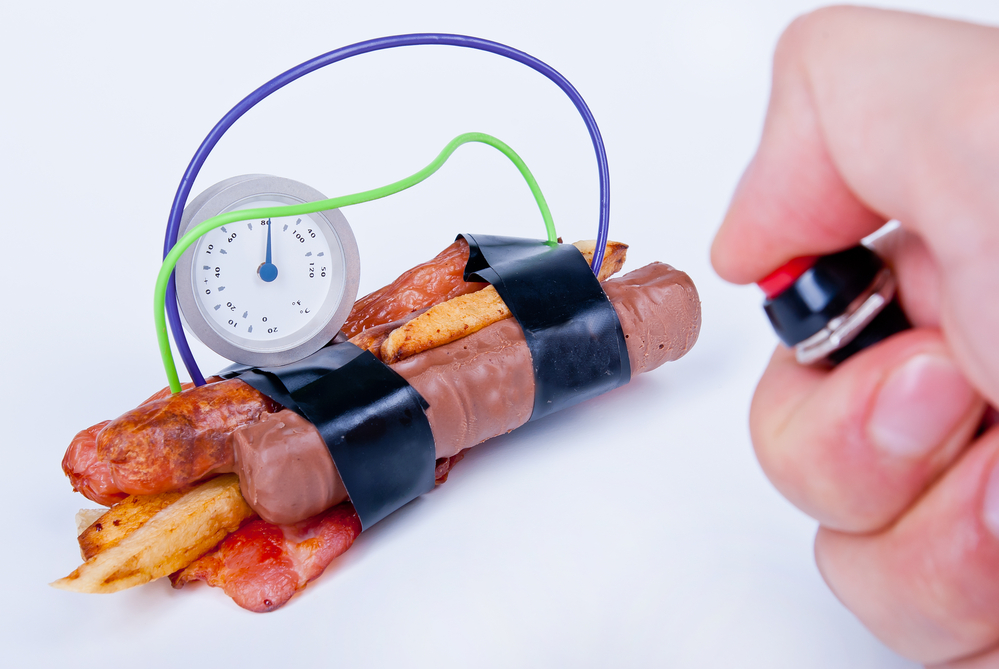
According to The Reproductive Care Centre blog, inflammation in the body which can negatively impact male fertility, occurs due to a diet high in processed and fatty foods. Processed foods lack essential nutrients such as minerals, antioxidants, and vitamins essential for reproductive health. Moreover, oxidative stress and chronic inflammation can negatively impact reproductive health, which includes sperm quality and motility.
Provide your body with the necessary vitamins and minerals. This is why you should regularly eat whole foods such as vegetables, healthy fats, lean proteins, fruits, and whole grains. Reduce your oxidative stress by opting for fresh fruits, vegetables, and other whole foods that are rich in antioxidants.
Choose whole grains
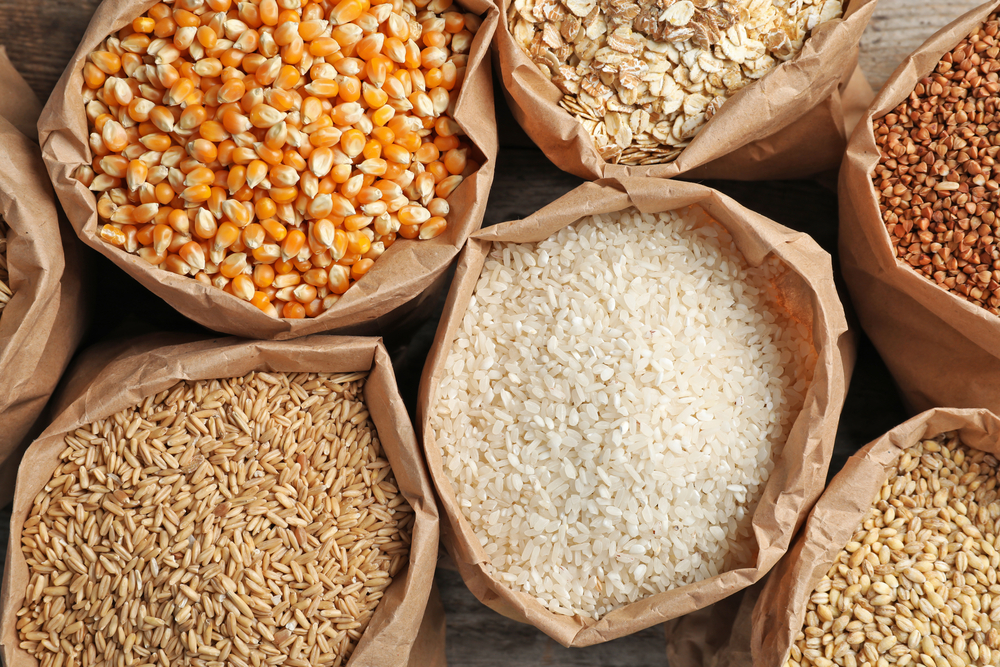
A 2021 study published by the National Library of Medicine showed results of choosing whole grains as a beneficial diet for a healthier seminal fluid. The “Prudent” pattern was characterized by a high intake of vegetables, fruits, chicken, legumes, fish, and whole grains. This pattern was positively associated with the percent progressively motile sperm in multivariate models. Moreover, men have a higher percentage of progressively motile sperm compared with men in the lowest quartile due to having the highest quartile of the Prudent diet.
With that being said, whole grains play a beneficial role in ensuring the seminal fluid of a man is healthy and less prone to serious complications. Whole grains such as folate, thiamin, niacin, and riboflavin are rich in Vitamin B. These nutrients are essential for the production and regulation of reproductive hormones. On the other hand, fiber helps regulate blood sugar levels, promotes digestive health, and supports cardiovascular health.
Consume selenium-rich foods
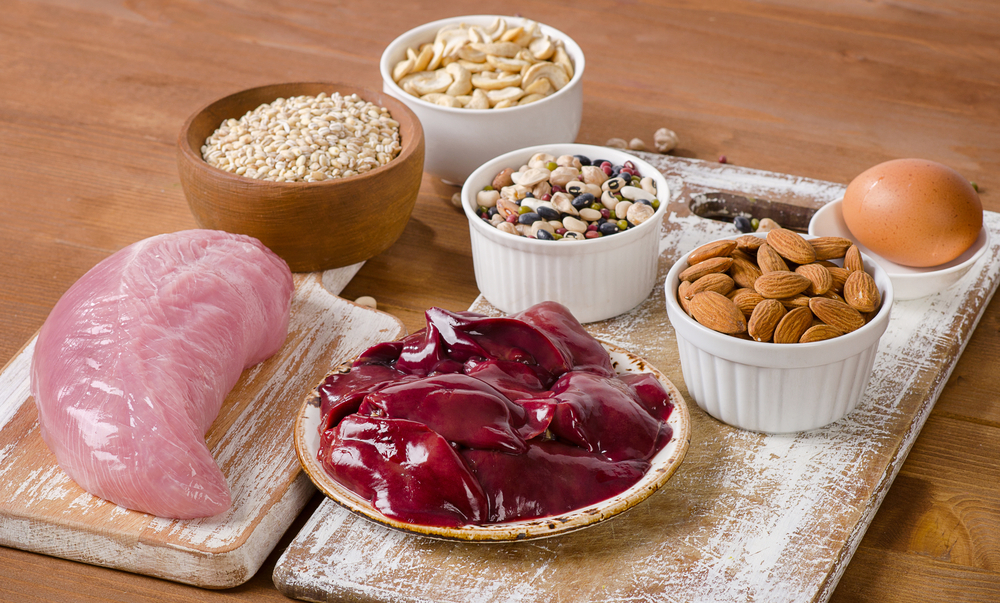
According to Harvard University, Selenium is an important component of various proteins and enzymes known as selenoproteins. These can help make DNA and protect against cell infections and damage. Moreover, these proteins are involved in the metabolism and reproduction of thyroid hormones. Selenium plays a role in the formation and maturation of sperm cells.
Moreover, Selenium acts as an antioxidant to help protect cells from oxidative damage caused by free radicals. The integrity and quality of the sperm can be maintained with the help of this antioxidant. To incorporate selenium-rich foods into your diet, consider eating Brazil nuts, lean meats, seeds, whole grains, and seafood. Rather than relying solely on supplements, it’s generally recommended to obtain Selenium from a varied diet.
Incorporate foods rich in Vitamin E

According to Unilab, low levels of Vitamin E are seen in men who encounter problems relating to fertility. Genetics is one of the reasons why men may have low levels of Vitamin E. It’s important to keep in mind that Vitamin E is a vital nutrient that helps preserve sperm health. This also helps sperm count by ensuring that the sperm count will meet the egg to fertilize it and protect the sperm from toxins.
Additionally, Vitamin E plays a crucial role in maintaining hormonal balance, which is important for reproductive function. You can eat nuts, seeds, leafy green vegetables, avocados, and fortified cereals to increase your diet productivity. Sunflower seeds, hazelnuts, and almonds are excellent sources of Vitamin E. Leafy green vegetables may include kale, spinach, and Swiss chard. In addition to incorporating foods rich in Vitamin E, remember to focus on a balanced diet consisting of various nutrient-dense foods.
Include Foods Rich in Vitamin C
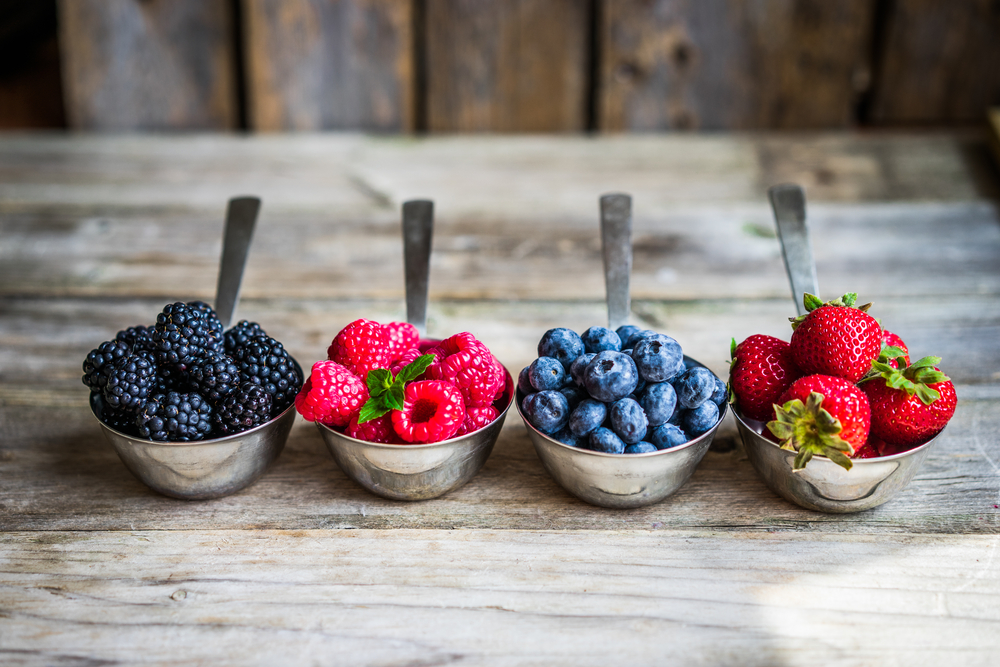
There’s some evidence that supplements containing Vitamin C may improve semen quality. A study about infertile men who took 1,000-mg of Vitamin C supplements twice a day for up to 2 months increased sperm count by more than 10% and sperm motility by 92%. Additionally, it also reduced deformed sperm cells in their proportion by 55%.
Vitamin C is also necessary for collagen synthesis, which is essential for reproductive organs and their structural integrity. This includes the tubes and testes that transport the sperm. You can incorporate foods rich in Vitamin C in your diet, such as citrus fruits, tomatoes, green leafy vegetables, berries, kiwi, and bell peppers.
Stay hydrated

Semen production also depends on your water intake, like the rest of your body fluids. According to Lybrae, dehydration or lack of water can reduce semen volume. So you must consume a lot of water throughout the day. Usually you must stick to 7-8 glasses every day.
You’ll need to drink more water if you sweat or work outdoors. Remember that supplementing your water intake with other drinks like fruit juices is always a good idea. For example, drinking pineapple juice can increase semen production, so you must drink it at least once a day. At the same time, avoid caffeine or soft drinks that will increase your chances of dehydration.
Eat a nutrient-rich diet
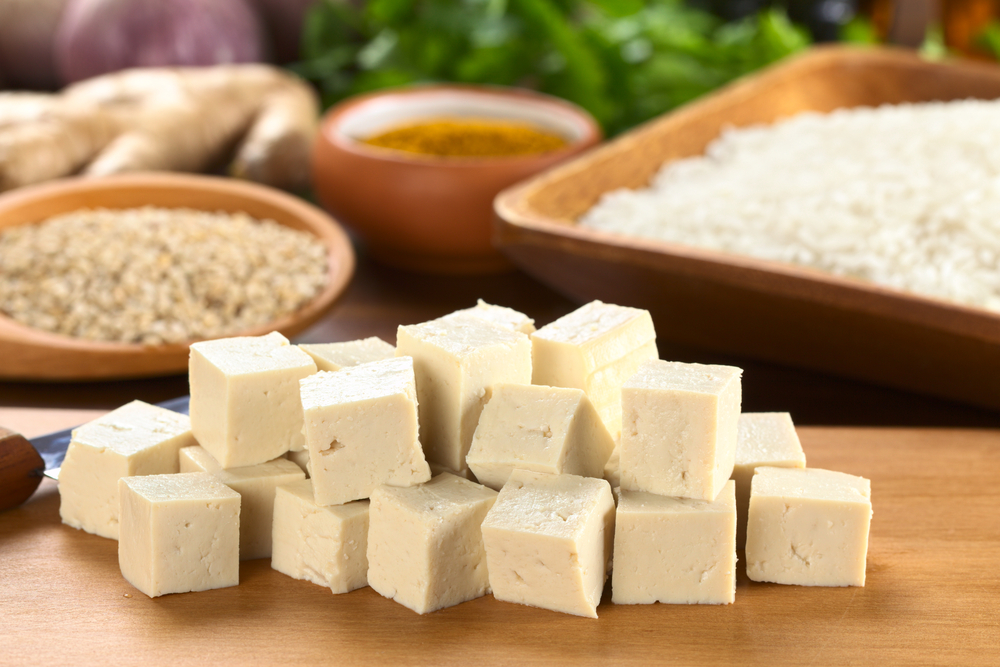
It’s essential to eat a diet that’s rich in nutrients to support your overall reproductive health and optimal seminal fluid production. Adequate lean intake is crucial for the development of healthy sperm. Consider including lean sources of protein like fish, turkey, legumes, chicken, tofu, and low-fat dairy products in your diet for a healthy seminal fluid.
Moreover, Omega-3 fatty acids are linked to improve sperm quality and motility. You may also want to include mackerel, salmon, flaxseeds, chia seeds, sardines, and walnuts, which are very much rich in Omega-3. As mentioned earlier, Vitamin C protects sperm cells from oxidative damage as an antioxidant. Familiarize yourself with eating bell peppers, citrus fruits, tomatoes, and berries in your diet.
Increase intake of fruits and vegetables
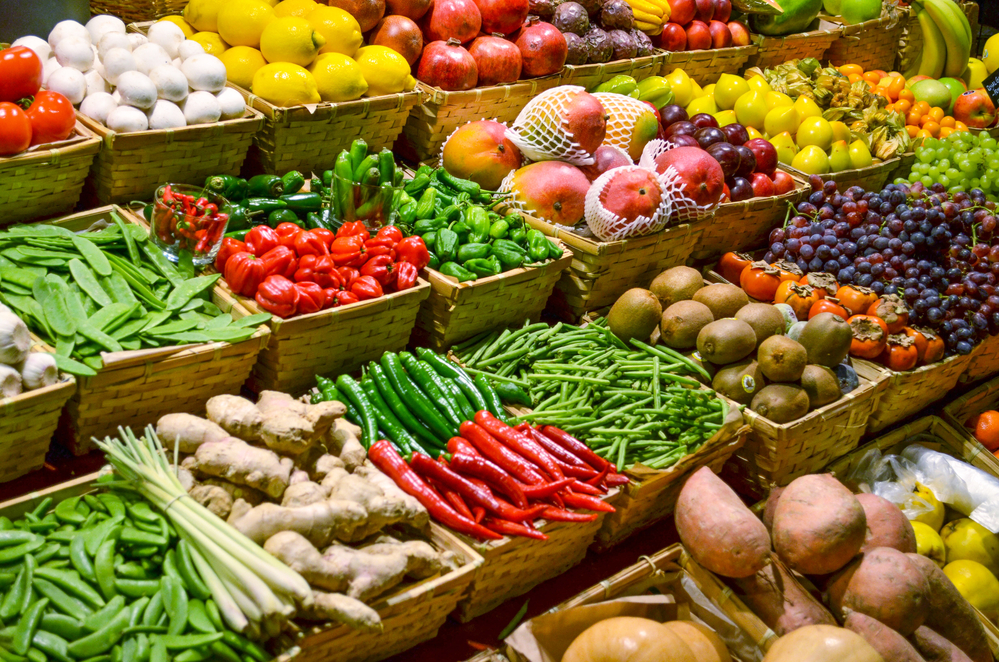
A 2021 study summary published on the Examine website shows that fruit and vegetable intake could be connected to semen quality. Fruit and vegetable consumption became positively correlated with vitality, total and progressive motility, and sperm concentration. On the other hand, another study published in the Entertainment Times in 2009 revealed that men with good semen quality eat more fruits and vegetables than those with low seminal quality.
It’s important to take note that fruits and vegetables are rich in Vitamin C and E, which are antioxidants. This means that antioxidants protect the sperm cells from oxidative damage caused by free radicals, improving sperm quality. Fruits and vegetables are believed to be excellent sources of dietary fiber. Intake of adequate fiber can help regulate hormonal balance and promote healthy digestion.
Consume healthy fats
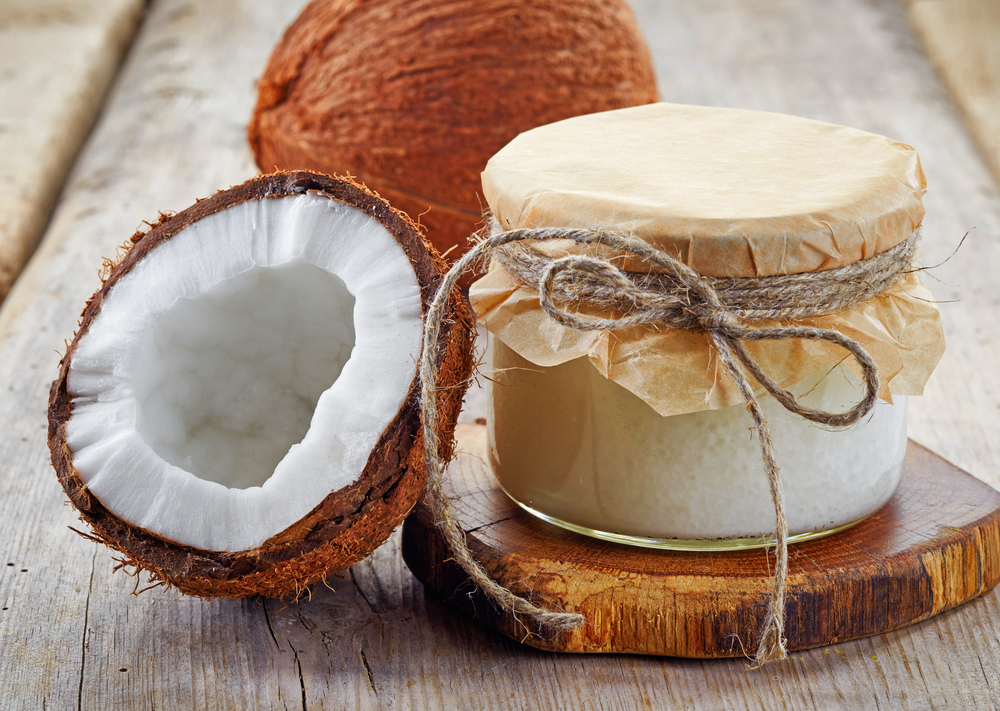
Keep in mind that healthy fats play an important role in the production of hormones. Testosterone is a hormone that is important for reproductive function and sperm production. Monounsaturated have anti-inflammatory properties, creating a more favorable environment for sperm function and production.
Anti-inflammatory properties may be beneficial when you experience chronic inflammation that can negatively impact your productive health. Coconut oil and olive oil are healthy fats that you may want to incorporate into your diet. Olive oil in the form of extra virgin olive oil should be used as your primary cooking oil. Use this for dressing fruits and vegetables since it’s rich in monounsaturated fats and antioxidant benefits.
Choose lean protein sources
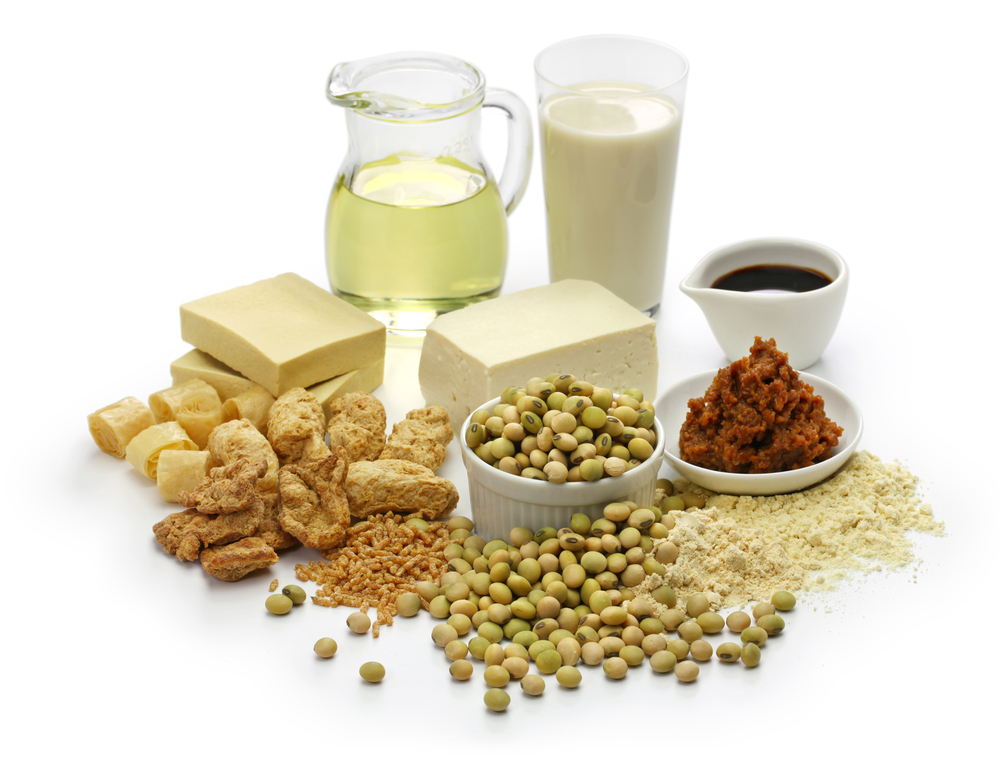
Considering lean protein as part of your diet can support seminal fluid production. Aside from minimizing the intake of saturated fats, which can negatively affect reproductive health, lean protein sources offer high-quality protein benefits. Proteins are the building blocks of the production of sperm cells. The development and maturation of healthy sperm are evident in a diet rich in high-quality protein.
Amino acids are essentially contained in proteins that are required for various psychological functions. This includes the maintenance and production of reproductive tissues. Select lean protein sources by selecting soy products such as edamame, tempeh, and tofu. Make sure to choose soy products with a complete amino acid profile to turn them into stir-fries or salads.
Include foods rich in zinc

Zinc is beneficial for a hormone crucial for sperm production known as testosterone. Adequate zinc levels help support the maturation and development of sperm cells. It also plays a role in maintaining the structural integrity of sperm cells and their DNA. It promotes optimal sperm motility and oxidative damage.
You can incorporate zinc-rich foods such as shellfish, meat, legumes, poultry, chicken, whole grains, dairy products, and dark chocolate. Shellfish are particular in oysters that are rich in zinc, making them one of the best food sources. Opt for lean cuts of beef and pork to reduce saturated fat intake. As for nuts and seeds, consider hemp, pumpkin, and sesame seeds in your diet.