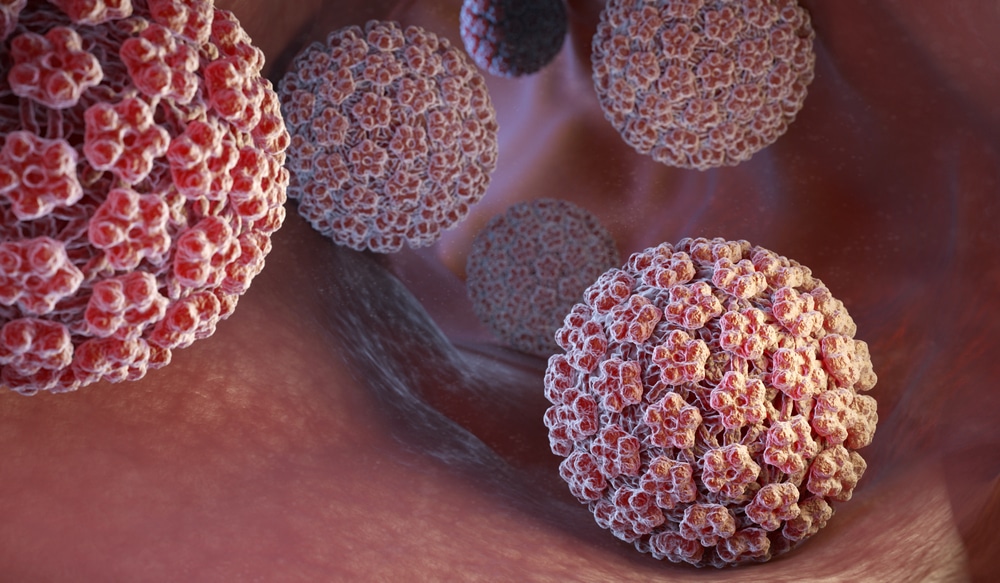
Overview of HPV

Human Papillomavirus, commonly known as HPV, is a sexually transmitted virus that affects both men and women. According to the Centers for Disease Control and Prevention (CDC), there are over 200 types of HPV, some of which can cause genital warts and cancer. While HPV is mainly spread through sexual contact, it can also be transmitted through other means.
It is essential to know how HPV is transmitted to prevent its spread and protect yourself and others from the virus. The transmission of HPV is not just limited to sexual contact but can occur through various means.
Skin-to-Skin Contact

One of the most common ways HPV is transmitted is through skin-to-skin contact. This can occur through any kind of skin contact, whether it be intimate or casual. This means that HPV can be passed from person to person during activities such as hugging, holding hands, or even a simple handshake.
The reason for this is that HPV is a virus that thrives in warm and moist environments, such as the skin. When the virus comes into contact with the skin of another person, it can easily enter through microscopic breaks in the skin.
It is important to note that not all types of HPV are spread through skin-to-skin contact. Some strains of the virus are only spread through sexual contact. However, it is still important to be aware of the potential risk of transmission through skin-to-skin contact.
Sharing Personal Items

HPV can also be spread through sharing personal items, such as razors or towels, with someone who is infected. This is because the virus can survive on surfaces and objects for a short period of time, making it easy for it to be transferred to someone else.
It is important to avoid sharing personal items with others to reduce the risk of contracting HPV. Additionally, it is recommended to thoroughly clean and disinfect any personal items that may have come in contact with the virus.
While sharing personal items is not the most common way HPV is transmitted, it is still a potential risk factor to be aware of. By taking preventative measures, you can greatly reduce your risk of becoming infected with HPV through this mode of transmission.
Vertical Transmission (Childbirth)

Vertical transmission is the passing of HPV from mother to child during childbirth. This can occur when a baby passes through the birth canal or during a C-section delivery. While rare, it is still possible for the virus to be transmitted to the baby.
To minimize the risk of vertical transmission, doctors may recommend cesarean delivery in cases where the mother has genital warts or abnormal cell growth in the cervix. Additionally, doctors may recommend HPV testing during pregnancy to identify any potential risks to the baby.
It is important to note that vertical transmission does not mean that the child will necessarily develop HPV-related health problems. With proper screening and preventative measures, the risk of transmission can be minimized, and both mother and baby can remain healthy.
Overall, while vertical transmission is a relatively rare mode of transmission, it is important to be aware of its potential risks. By working with your healthcare provider and taking proper precautions, you can help minimize the risk of HPV transmission during childbirth.
Environmental Exposure

Environmental exposure can occur in a variety of settings. For example, individuals who use public restrooms or gym equipment may come into contact with HPV if these surfaces have not been properly disinfected. Additionally, individuals who engage in outdoor activities such as gardening or hiking may come into contact with HPV if they come into contact with plants or soil that have been contaminated with the virus.
It is important to note that while environmental exposure is a potential mode of HPV transmission, it is not a common one. The risk of contracting HPV through environmental exposure can be minimized by practicing good hygiene, such as washing your hands regularly and disinfecting surfaces before use.
In summary, while skin-to-skin contact and sharing personal items are the primary ways in which HPV is transmitted, environmental exposure is another potential mode of transmission. By taking precautions to practice good hygiene and minimize exposure to potentially contaminated surfaces, individuals can reduce their risk of contracting HPV.
Intercourse

Penile-vaginal intercourse is one of the most common transmission methods for HPV. While a condom doesn’t offer perfect protection, correctly using one can significantly reduce the chances of transmitting HPV and other STIs between partners.