Understanding the Physiology of Edema
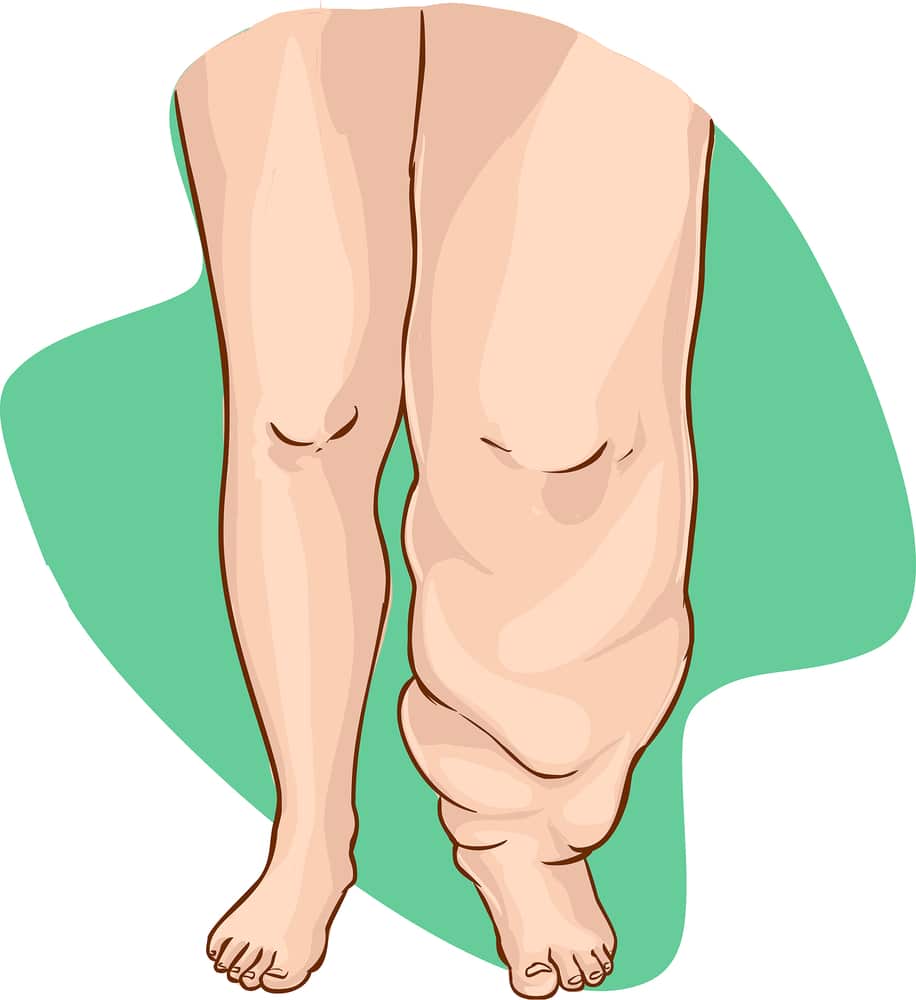
To understand edema, we need to have a basic understanding of the body’s physiology. Our body consists of several different systems that work together to keep us healthy and functioning properly. One of these systems is the lymphatic system, which is responsible for draining excess fluid and waste products from tissues and organs.
When the lymphatic system is functioning normally, it can remove excess fluid and prevent swelling. However, when there is a disruption in this system, fluid can accumulate and cause edema.
There are several factors that can cause edema. These can include poor circulation, inflammation, injury, or blockages in the lymphatic system. Certain health conditions, lifestyle choices and even medications can lead to edema. Next we will explore each in more depth.
Health Conditions that Can Lead to Edema
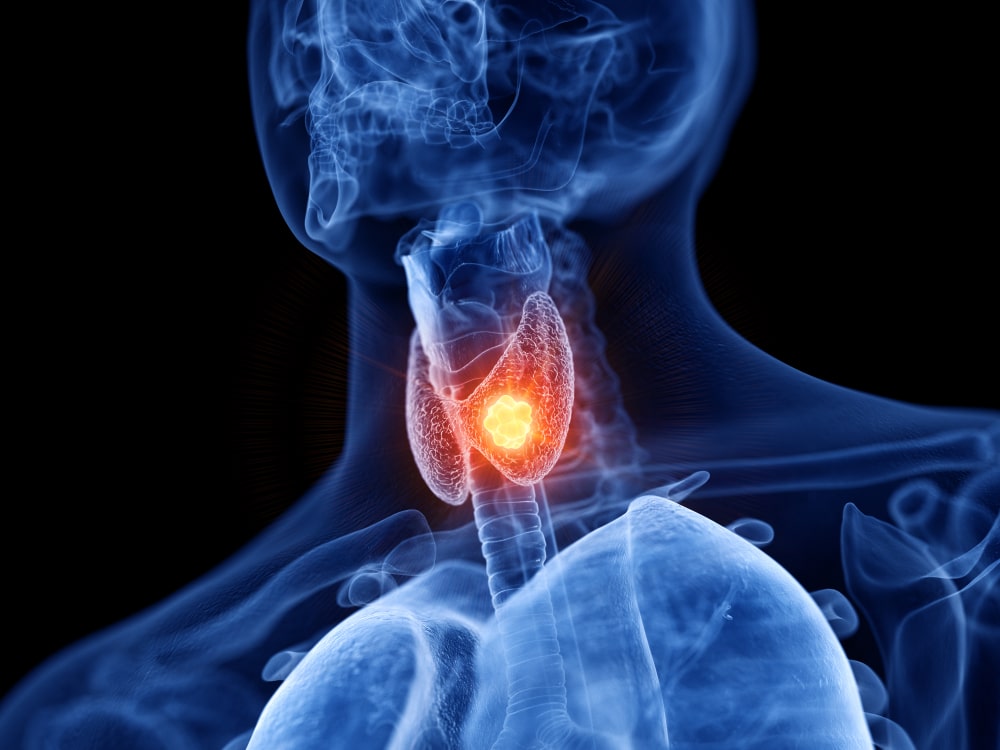
While edema can be a result of a temporary issue like an injury or prolonged standing, it can also be a symptom of a more serious health condition. Some of the health conditions that can lead to edema are:
- Heart Disease
- Kidney Disease
- Liver Disease
- Lung Disease
- Thyroid Issues
- Inflammatory Disorders
If you’re experiencing edema and are unsure of the underlying cause, it’s important to see a healthcare provider for an evaluation. They can help determine the root cause of your swelling and recommend appropriate treatment options.
LIfestyle Factors that Contribute to Edema

In addition to health conditions and medications, there are also lifestyle factors that can contribute to edema. These include:
- Diet: High sodium, alcohol and caffenine
- Lack of Movement
- Excess Weight
- Tight Clothing
- Smoking
To prevent edema caused by lifestyle factors, it’s important to maintain a healthy diet, exercise regularly, and avoid sitting or standing for extended periods of time. Wearing comfortable, loose clothing and shoes can also help improve circulation. Additionally, quitting smoking can greatly reduce the risk of edema. If you do experience edema despite lifestyle changes, seek medical attention to determine the underlying cause and appropriate treatment.
Medications That may Cause Edema

Medications are commonly prescribed to manage a variety of health conditions, but they may also be one of the factors that can lead to edema. Here are some of the medications that are known to cause swelling in some individuals:
- Nonsteroidal anti-inflammatory drugs (NSAIDs)
- Steroids
- Calcium Channel Blockers
- Hormone Therapies
- Antidepressants
It is important to note that not everyone who takes these medications will experience edema as a side effect. However, if you do notice swelling while taking any medication, it is important to talk to your doctor to rule out any potential health complications.
1. Injuries

Things like a twisted ankle, insect bites, and other kinds of injuries can cause edema. This happens because of the increased flow of fluid and white blood cells into the injured areas.
When the balance of substances in your blood is off, something’s bound to go flowin’…
2. Hypoalbuminemia

Hypoalbuminemia is when the protein level in the blood hits low and water leaves the blood vessels and builds up in the tissues, as the albumin and other proteins in the blood help keep fluid in the blood vessels.
Here’s something a lot of people are all too familiar with…
3. Allergic Reactions

Most allergic reactions often end in swelling as a response to the allergen. Food allergies in particular can cause throat or tongue edema, which can make breathing especially difficult.
Clogging causes buildups, and buildups end up in swelling…
4. Obstruction Of Blood Flow

Fluid can build up if drainage from a part of your body is blocked. Edemas, particularly leg edemas, are sometimes caused by tumors and blood clots that both block fluid and blood flow.
Life-threatening conditions bring about adverse effects on the body, as the following shows…
5. Congestive Heart Failure

Fluids gradually build up when the heart’s lower chambers begin to weaken, causing it to pump less blood. As a result, the legs, ankles, feet, as well as the abdomen do not receive significant blood flow.
Some diseases are known for causing swelling in various parts of the body…
6. Liver Diseases

Liver disorders like liver cirrhosis are known to slow down blood flow via the liver. This affects the portal vein and can make fluid leak and build up in the legs and the abdomen, which can also cause leg edema and ascites.
In more serious cases, other parts of the body begin to suffer too…
7. Kidney Diseases

Nephrotic syndrome is a type of kidney disease where edema is one of its primary symptoms. The eyes, legs, and ankles are particularly affected by severe swelling.
The miracle of bringing life into the world can be quite a bumpy ride, too…
8. Pregnancy

While it’s fairly normal for pregnant women to experience mild leg edema. However, pregnancy complications such as preeclampsia and deep vein thrombosis can also cause edema in the legs, face, hands, and even throughout the body.
Not even the brain is spared…
9. Head Injuries & Conditions

Cerebral edema occurs when fluid is retained in the brain tissue. Factors like head trauma, hyponatremia, and brain tumors can trigger this. This kind of edema causes headaches, confusion, comas, and even death.
Sometimes, even our supposed remedies can have strange effects…
10. Medications

Medicines often have strange, undesired side-effects, but there are those that can cause strange conditions like edema, especially in the legs. Ironically, ibuprofen, as well as corticosteroids, may actually bring about or worsen edema since they both cause sodium and fluid retention.