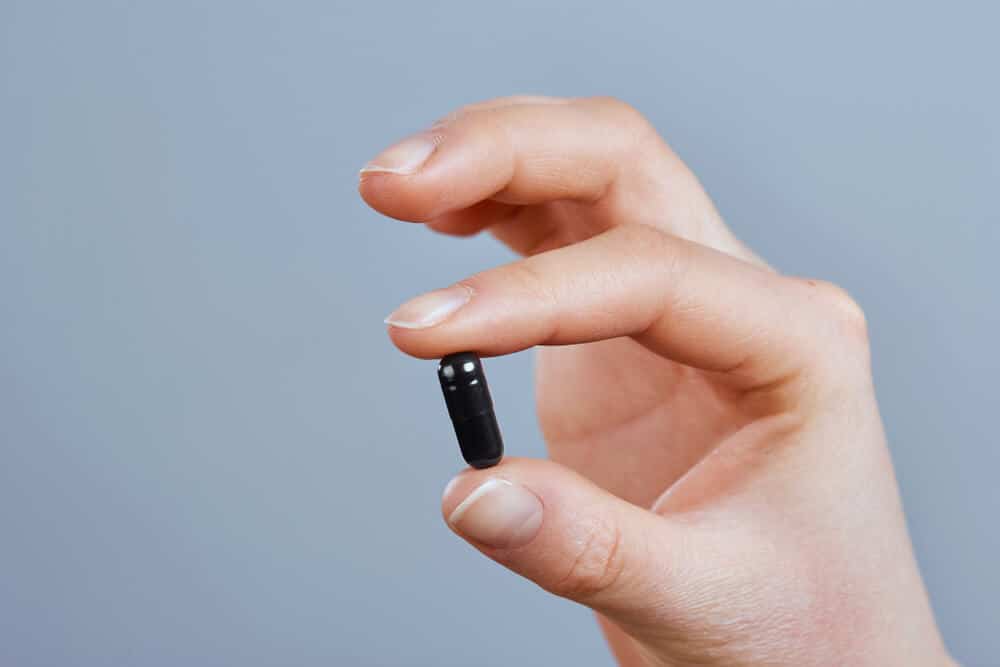
1. Emergency Poison Treatment

Activated charcoal is commonly used in medical applications, even in overdose cases.
Why is activated charcoal great for poison treatment?
Since activated charcoal has such a large surface area, it can easily bind to toxins and other poisons, thereby diminishing how much damage they can cause. So, it should come as no surprise that activated charcoal is commonly used in cases of poisoning.
This use isn’t a recent trend, either. In fact, according to PubMed Central, “activated charcoal has been used as a poison antidote since the early 1800s.”
How is activated charcoal used in these cases?
It is important to note that activated charcoal is not effective in all cases of poisoning. According to the Department of Emergency medicine at the University of California at San Diego, activated carbon might not be very effective in cases of “alcohol, alcohol, heavy metal, iron, lithium, potassium, acid or alkali poisonings.”
That being said, it can be helpful in some cases. According to a University of Toronto study:
when a single dose of 50–100 grams of activated charcoal is taken within five minutes of drug ingestion, it may reduce drug absorption in adults by up to 74%. This effect decreases to around 50% when the charcoal is taken 30 minutes after drug ingestion and 20% if it’s taken three hours after the drug overdose.
The study further states that initial doses are often followed with smaller doses of 30-50 grams of activated carbon every 2 to 6 hours to completely cleanse one’s system.
Poison control isn’t the only health use for activated charcoal…
2. Reducing Cholesterol Levels

Activated charcoal has long been shown to help reduce high cholesterol levels in patients suffering from hypercholesterolemia (high cholesterol).
Why is activated charcoal good for cholesterol?
Research suggests activated charcoal may reduce cholesterol levels by binding to cholesterol and other acid-containing bile, therefore preventing the body from absorbing them.
How is activated charcoal used for this purpose?
One Department of Biomedical Sciences by the University of Tampere study states that:
taking 24 grams of activated charcoal per day for four weeks lowered total cholesterol by 25% and ‘bad’ LDL cholesterol by 25%. ‘Good’ HDL cholesterol levels also increased by 8%…taking 4–32 grams of activated charcoal daily helped reduce total and ‘bad’ LDL cholesterol by 29–41% in those with high cholesterol levels.
In other words, larger doses of activated charcoal were more effective in treating people with hypercholesterolemia.
It is important to note, however, that these studies were conducted in the 1980s, so more recent studies would be helpful in validating these conclusions.
More recent trends for using activated charcoal include the following…
3. Tooth Whitening

Activated charcoal for whiter teeth? You bet!
Why is activated charcoal good for whitening teeth?
As stated earlier, activated charcoal has a porous surface. Therefore, it is able to bind to impurities on your teeth, such as stains. Once bound, you can wash away the charcoal along with the impurities from the likes of coffee, wine, and smoking that may discolor your teeth.
How can you use activated charcoal for teeth?
Many people swear by this trick; however, you should know that currently no activated charcoal products have received the American Dental Association (ADA) Seal of Acceptance.
That being said, there are a wide array of dental products containing activated charcoal on the market nowadays. To implement this trick:
- Simply dip the toothbrush into some activated charcoal product.
- Brush for two minutes.
- Do not swallow the charcoal.
- Rinse it out well with warm water.
What products can you grab right now?
Some commercially available dental products made with activated charcoal include:
- HippoCrate charcoal toothbrush
- Black Pearl activated charcoal teeth-whitening toothpaste
- Hello Oral Care activated charcoal mouthwash
When rinsing out the mouth, you can also use charcoal to make sure your water is cleaner…
4. Water Filtration

Activated charcoal is used in many water filtration systems since it has a supreme ability to trap impurities and other harmful particles.
Why is activated charcoal great for water filtration systems?
Activated carbon is commonly used in water filtration systems because of its supreme ability to absorb pollutants. In other words, it’s great at filtering out dangerous heavy metals in water.
Can it filter out everything?
No, activated charcoal cannot filter everything. While great at filtering heavy metals, it is not as effective in reducing the amount of bacteria or viruses in water.
How can you use activated charcoal for water filtration?
This method works by inserting a bed of active carbon within the water filter. When the water passes through the filter, pollutants like heavy metals become trapped within the fine network of pores present within the carbon.
What are some great filtration products that already use activated carbon?
Some trustworthy water filtration products that already use activated carbon include:
- Brita Longlast replacement filters
- PUREPLUS Big Blue Sediment & Activated Carbon Water Filters
- SimPure water filter pitcher with built-in activated carbon and resin filter
How much can activated charcoal filter?
Each carbon filter is rated based on the size of the particle it can remove, but this number can vary depending on mass flow rate of the fluid. Typical filters can absorb particles ranging from 0.5-50 μm in diameter. The slower the fluid flows, the more effective it is, as the contaminants are exposed to the activated carbon media for a longer period of time.
Feeling a little bloated? Charcoal may help with that, too…
5.Gas and Bloating Reduction

When the body produces excessive amounts of gas, bloating and flatulence can occur. To quell some of these symptoms, many people resort to taking activated carbon supplements, often in a capsule form.
Why is activated charcoal good for bloating and gas?
When ingested, activated charcoal can trap excessive gas molecules that may lead to flatulence and bloating.
Is activated carbon FDA regulated?
Research into this quality of activated carbon is limited; however, it has a promising outlook. That being said, the U.S. Food and Drug Administration (FDA) currently does not regulate the use of activated carbon.
So, it is extremely important to consult with a dietitian or other licensed medical professional before using it as a supplement. This fact is doubly important if you take medications, as there could be drug interactions.
How can you use activated carbon for gas?
Activated carbon usually comes in a capsule form, so it can be easily swallowed and digested. To use them, simply consult the directions on the back of your product (after first consulting a medical professional.)
Where can you find carbon capsules?
Not sure where to start when it comes to finding capsules? You can go here to discover Amazon’s Choice for organic activated charcoal capsules.
Ingesting activated carbon might not just be good for gas and bloating, but for the following as well…
6. Increased Kidney Function

Activated carbon may promote kidney function when taken as a supplement. Why? Many believe activated carbon can reduce the number of waste products one’s kidneys have to filter.
Why is activated carbon good for kidney function?
Healthy kidneys are normally highly equipped for filtering your blood without the need for any supplemental help. However, patients suffering from kidney conditions generally have a harder time removing excess urea and other toxins from the body.
What does the research say?
One Nephrology Division of the Hospital Italiano de Buenos Aires study states that “activated charcoal supplements may have helped lower blood levels of urea and other waste products in patients with end-stage kidney disease.”
That being said, research is far from conclusive. So, it is advisable for patients to consult with their doctors before taking activated charcoal in order to boost kidney function.
What are some activated charcoal supplements?
Do not try any supplement or other product without consulting a licensed medical professional first.
Commercially available activated charcoal products include:
- Lily Organic To Go’s organic activated charcoal detox coffee packets
- The Republic of Tea’s U-Matcha charcoal tea
Of course, you don’t have to ingest charcoal in order to use it; many people swear by using activated carbon topically, too…
7. Skin Care

Activated charcoal can be found in a variety of different skincare products thanks to its unmatched abilities to bind to and dislodge impurities.
Why is activated charcoal great for skin?
According to several studies, activated charcoal helps draw particles—such as chemicals, toxins, bacteria, and dirt—to the surface of the skin. This process makes it much easier to remove these impurities.
How can you use activated charcoal for your skin?
It all depends on the products you use; simply read the directions on the packaging. Some commercially available skincare activated carbon products include:
- Biovène Charcoal Bubble Mask
- Activated Charcoal Powder (1 lb.) by Pure Organic Ingredients
- Zen Charcoal Hardwood Activated Charcoal Powder
Notice a funky odor? Don’t worry; activated charcoal is great for that as well…
8. Deodorant

There are various activated charcoal deodorants available on the market today, providing natural alternatives to normal deodorants that are packed full of aluminum.
Why is activated charcoal great for deodorizing?
Charcoal is able to trap bad odors at the particle level and absorb harmful gases. But that’s not all. Studies also suggest that activated carbon can absorb excess moisture and control humidity at the microscopic level.
So, it’s ideal as an underarm deodorant. Of course, activated carbon may also reduce smells in litter boxes, shoes, and even refrigerators. In all of these applications, the effect of activated carbon is the same.
How can you use activated charcoal for these purposes?
Before Using: Armpit Detox
It is recommended that, before trying an all-natural charcoal deodorant, to perform an armpit detox. One can do this by:
- Making a paste with activated charcoal and water
- Applying it to your armpits
- Letting it sit for up to an hour
The goal of this process is to remove any extra toxins such as parabens and aluminum, which you can typically find in regular deodorants. This process will also help protect against rashes that people normally experience as a side effect of some natural deodorants.
Check the Packaging for Potentially Irritating Ingredients
Many natural products contain baking soda, and a great deal of people have exhibited allergic reactions to this ingredient. So, before trying an activated charcoal deodorant, it is important to perform a patch test on another smaller area of your skin. This way, you can check for an allergic reaction
Available Products
Not sure where to start in a market saturated with activated charcoal products? Here are some ideas to get you started:
- Cat Litter Deodorizer from Prestige Pet Magic
- For Shoes and Bags, from Vitscan
- For Trashcans, from iTouchless
- Armpit Deodorant by Schmidt’s Deodorant
Of course, activated charcoal isn’t just great for clearing faces and deodorizing armpits, but potentially other skin conditions as well…
9. Skin Infections

All over the world, medical practitioners use activated charcoal powder made from coconut shells to treat conditions such as skin infections.
Why is activated carbon good for skin infections?
Activated charcoal has a natural antibacterial effect, meaning it is believed to be able to absorb harmful microbes from wounds. Specifically, when applied, the charcoal binds to harmful bacteria that may cause an infection. This binding keeps the bacteria from multiplying and worsening an infection.
How can you use activated charcoal for infections?
There are several products available commercially; however, it is important to remember that these items are not regulated by the Food and Drug Administration (FDA). Therefore, it is important to consult your licensed medical professional before applying this treatment to any infection.
What activated charcoal products are available?
Commercially available activated charcoal powders that may be turned into a paste include:
The most surprisingly handy use of activated carbon?
What’s one of the handiest, most surprising uses of activated charcoal?…
10. Mold Cleansing

Activated charcoal may help mitigate mold problems in homes and apartments.
Why is activated carbon good for mold?
Activated charcoal can bind to toxins and other damaging particles. Therefore, it may have an ability to absorb mold when applied to it. This application can keep the mold from spreading and causing further damage.
How can someone use activated carbon to fight mold?
Mold can thrive behind walls, under floorboards, in ventilation ducts, and other areas. When using activated charcoal to mitigate a mold problem, it may be best to use a bagged product and then place the bag in a mold-prone area. The charcoal may absorb mildew/mold-causing moisture.
What’s next?
What’s most important to remember about using activated charcoal?…
Final Thoughts

Activated carbon is renown for its ability to absorb toxins, pollutants, bacteria, and other harmful particles. It’s all thanks to its ultra-fine network of pores spread out over a large surface area, which are able to catch and neutralize many of these harmful particles.
Caution When Taking Supplements
Activated carbon is not regulated by the Food and Drug Administration (FDA), so one must use any products under their own discretion. When taking activated carbon as a supplement, it is also recommended to consult with a licensed medical professional, as its reactions with certain medications have not been studied extensively.